Morning
The best light often means the earliest start. Guides scan open ground, listen for updates, and make quick decisions about where to position the group. This is usually the most active period for both tracking and animal movement.


Photo by Legend Safaris
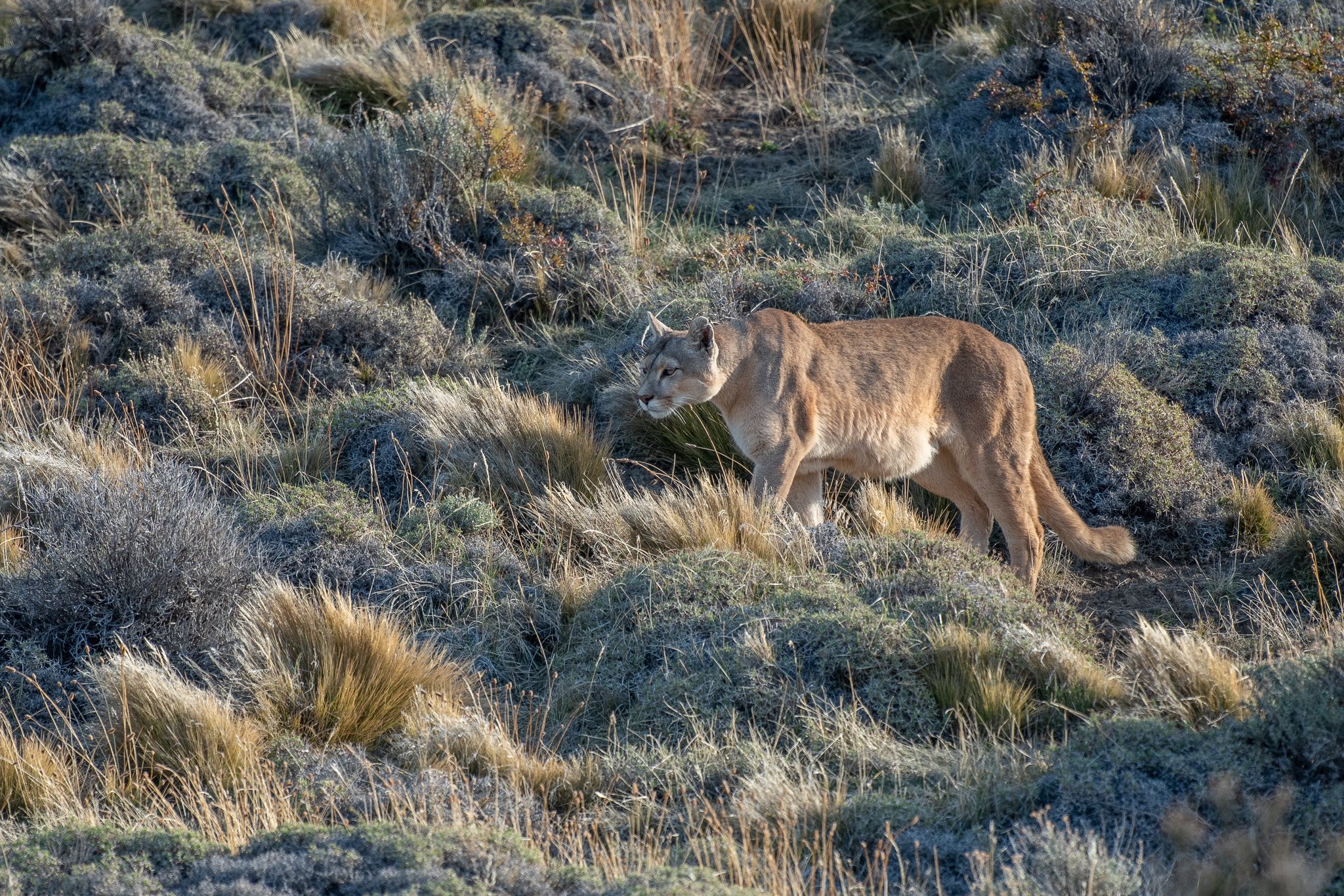
A puma safari in Chile is a predator-focused wildlife experience where sightings are possible, but never guaranteed. Success comes from time in the field, guide skill, and how well the day can be read.
This is not a traditional safari. It is a predator-focused search built around one animal, repeated scanning, and the patience to let the landscape tell you what is happening.
This is not about finding a puma - it is about being in the right place when one reveals itself.
What makes this experience unique is how much it relies on reading the landscape, following movement, and staying patient enough for the right moment to develop.
For broader travel context, seasonality, and how to plan your route, see our Chile destination guide.
This is the key planning question. Puma sightings in Patagonia are realistic, but they improve with time in the field rather than being something you can expect on a single day.
A good puma safari itinerary is not built on luck alone. In the right areas, over multiple days, sightings are realistic - which is why Patagonia remains one of the few places where seeing a wild puma is genuinely possible.
At the same time, this is still one predator in a large landscape. Some travelers see a cat relatively early. Others work through several sessions before conditions align. That is normal in puma tracking, not a sign that something is wrong with the trip.
The right way to think about your chances is not whether a sighting is guaranteed, but whether your itinerary gives guides enough repeated opportunities to work with current movement and visibility.
What most affects your chances
Over multiple days, your chances become meaningful - but the outcome is still shaped by timing, terrain, and what guides can read on the day.
Patagonia puma tracking is an active field process. It is built on early starts, long-distance scanning, local communication, and moving guests into the best possible vantage points rather than waiting passively for animals to appear.
Most serious days begin before sunrise. Guides want to be in position while the light is still low and the landscape is quiet, because that is when movement on ridgelines, slopes, and guanaco flats is easier to read. Early activity matters. A puma that has already crossed a valley or bedded down becomes much harder to interpret later in the morning.
The first job is usually scanning. Guides and trackers use binoculars and scopes to read open ground from distance, looking not only for the cat itself, but for indirect clues: guanaco bunching, alarm behavior, scavenger attention, a moving silhouette on a ridge, or a known female using a familiar drainage.
Communication is a major part of the process. In strong puma areas, guides often work through radio or phone updates across different viewpoints and road access points. One team may watch a slope while another confirms movement farther along the valley. That coordination helps decide whether to hold position, reposition quickly, or walk into a better line of sight.
When something usable develops, the experience becomes more mobile. Guests may drive a short distance to a trailhead or pull-off, then walk with the guide to a ridge or hillside that offers a cleaner angle. These walks are usually purposeful rather than long hikes. The goal is not to chase the animal, but to arrive at a vantage point where patient observation is possible.
Much of the skill lies in restraint. If a puma is feeding, resting, or moving through open country, good guides keep distance, control the group, and let the sighting unfold. If the animal disappears, the team does not simply give up. They reassess terrain, likely travel lines, and recent reports, then decide whether to wait, scan again, or shift to another hillside.
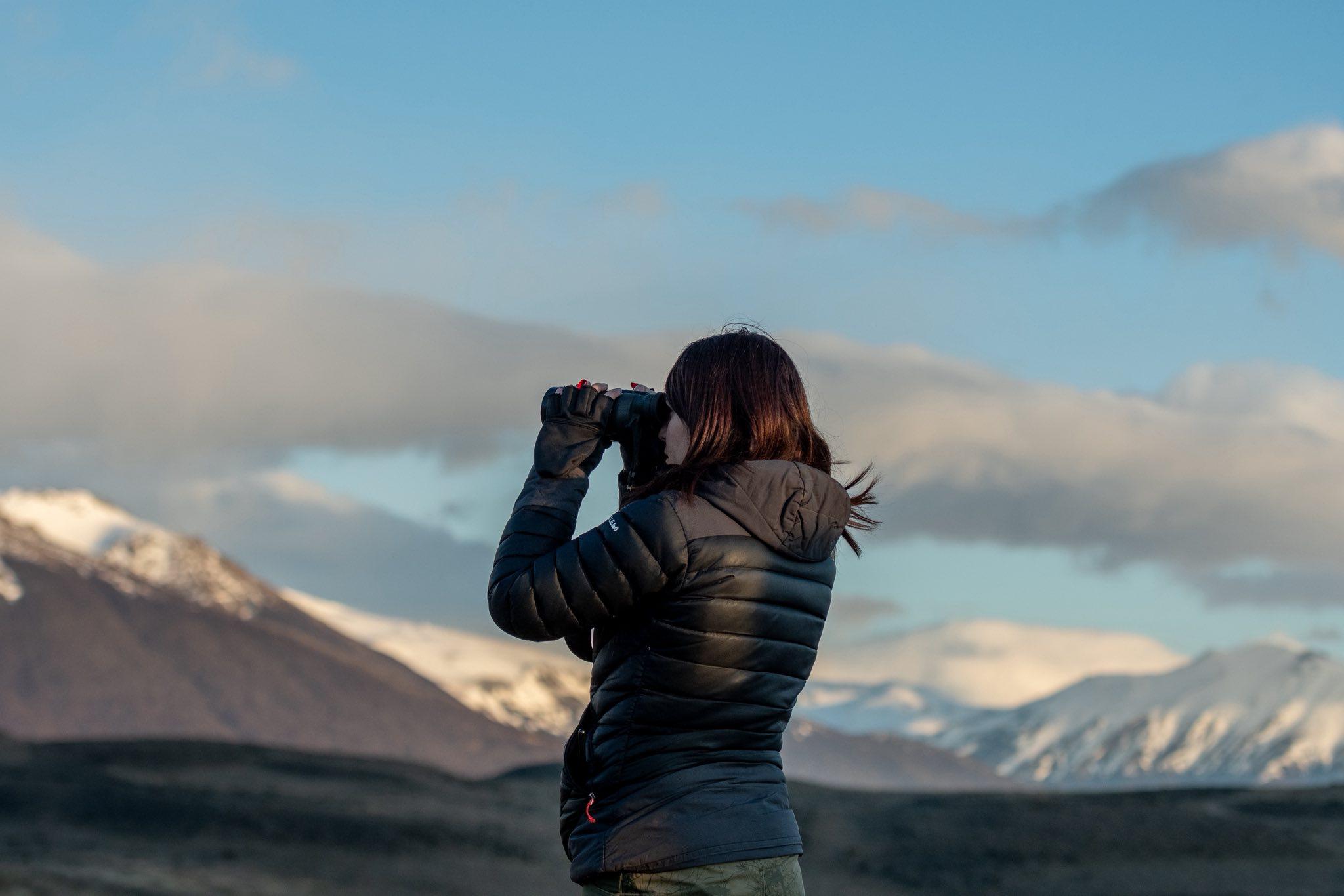
Photo by Legend Safaris
While each day varies, the underlying structure tends to follow a consistent pattern.
Typical tracking sequence
A puma safari day is shaped less by fixed sightseeing stops and more by rhythm: scanning, waiting, moving, then scanning again as conditions change.
Morning
The best light often means the earliest start. Guides scan open ground, listen for updates, and make quick decisions about where to position the group. This is usually the most active period for both tracking and animal movement.
Mid-day
Mid-day is often slower. This can mean longer waiting periods, a break, or holding position over a known area if a cat has bedded down. Good trips do not force unnecessary movement when the field picture is weak.
Afternoon
As light softens and prey movement becomes easier to read again, the search usually becomes more active. This second window often means more scanning, another reposition, and another chance to catch meaningful movement in open terrain.
Expect this rhythm
This rhythm is what defines the experience - not constant sightings, but the process of building them.
Trip length matters because this is an exposure-based experience. The goal is to give yourself enough sessions for active tracking conditions to line up at least once - and ideally more than once.
3 days
Possible, but limited. Three days works best when conditions are immediately favorable, but it leaves little room for wind, poor visibility, slow movement, or a quiet stretch in the tracking cycle.
5 to 7 days
This is the most realistic experience for most travelers. It gives the guide team repeated sessions to work with fresh information and gives you a clearer sense of how puma tracking actually unfolds.
More days don't guarantee sightings - but they meaningfully improve your chances by giving the tracking process time to work.
There is no single perfect time for a puma safari. The best time depends primarily on whether you prioritize longer daylight, cleaner light, easier visibility, or the overall feel of the landscape.
Spring
Spring brings crisp air, active prey movement, and dynamic conditions, though weather can still shift quickly. For many travelers, it offers a good balance of fresh landscapes and workable visibility.
Summer
Summer gives the longest days and the most overall field time. The trade-off is that harsher mid-day light and heat shimmer can make scanning less precise than the first and last parts of the day.
Early autumn
Early autumn often appeals to photographers and wildlife-focused travelers who want softer light, cooler temperatures, and landscapes that feel calmer and easier to read.
What really matters
In practice, timing matters less than conditions on the ground and how effectively guides can read them.
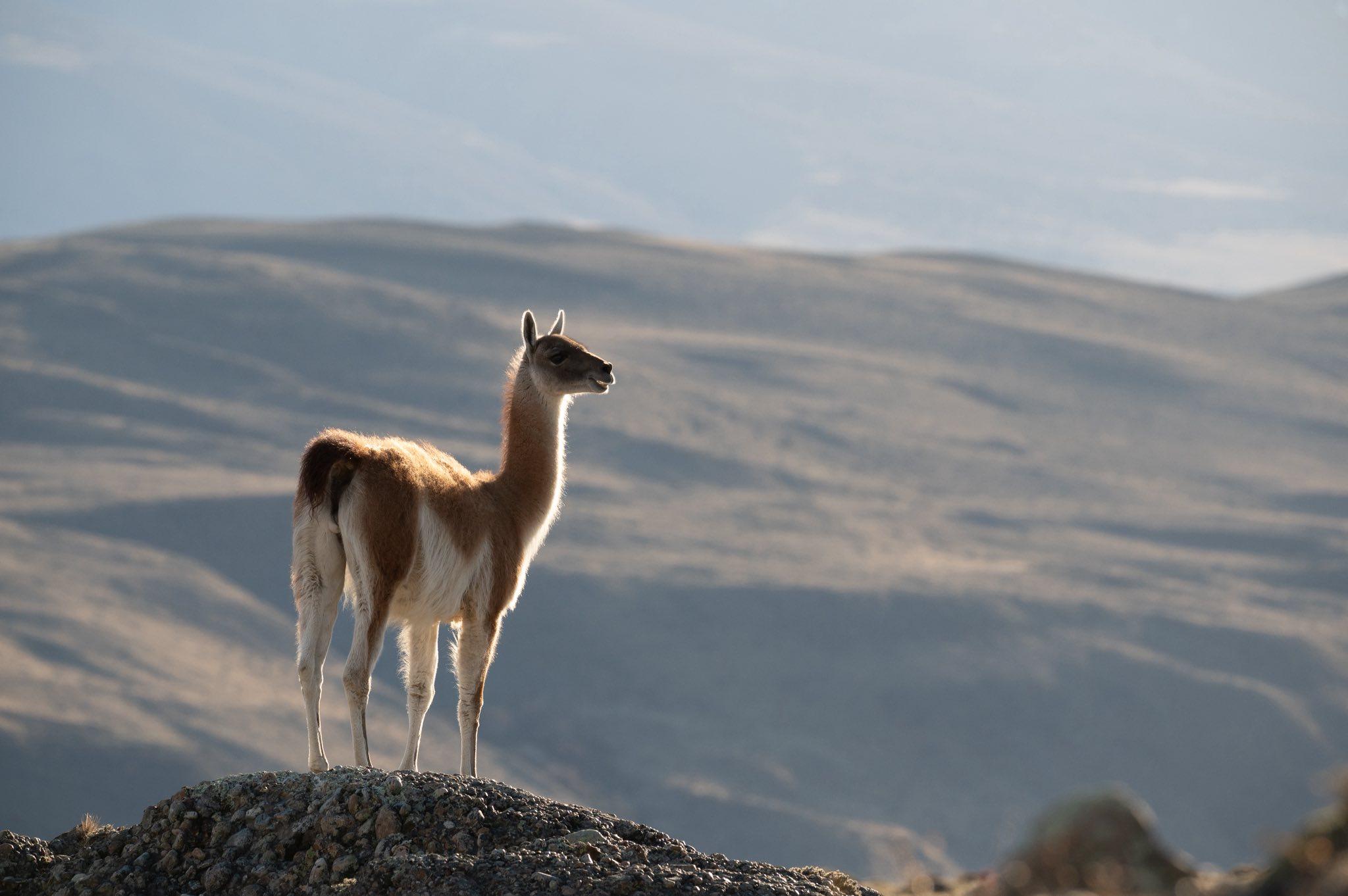
Photo by Legend Safaris
Puma tracking in Patagonia is typically expensive for structural reasons. You are paying for specialist guiding, small groups, and time-intensive field logistics rather than a high-volume safari model.
Small groups
Smaller groups help maintain flexibility and keep sightings more controlled, but they also spread guide and vehicle costs across fewer guests.
Specialist guides
The value of the trip is heavily tied to local tracking knowledge, not just accommodation standards. This is a specialist wildlife product, and the guide team is central to it.
Field time
Repeated early starts, scouting, coordination, and access to the right tracking areas all add cost before lodging and transfers are even considered.
In other words, you are paying for a working tracking system built around one predator - not just for accommodation, but for the time, expertise, and coordination required to make sightings possible.
For most travelers, the difference between a lower-cost trip and a strong tracking setup can significantly affect the quality of the experience.
Patagonia is one of the best places in the world to track pumas because the landscape is unusually readable. The terrain supports long-distance scanning, the prey base is strong, and visibility is unusually good for a big-cat environment.
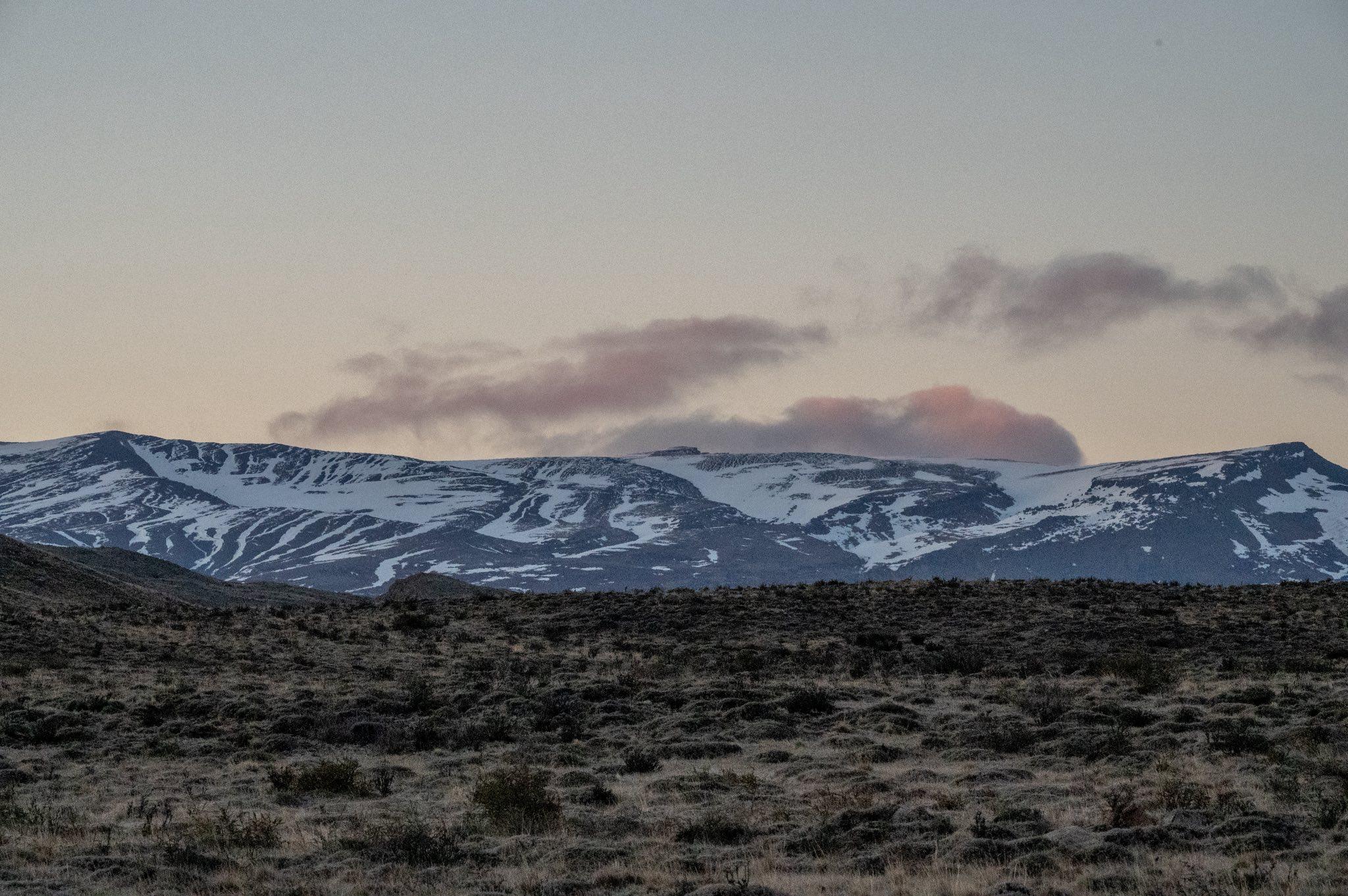
Photo by Legend Safaris
Hillsides, steppe, and ridgelines allow guides to read distance in a way that dense forest cannot.
Photo by Legend Safaris
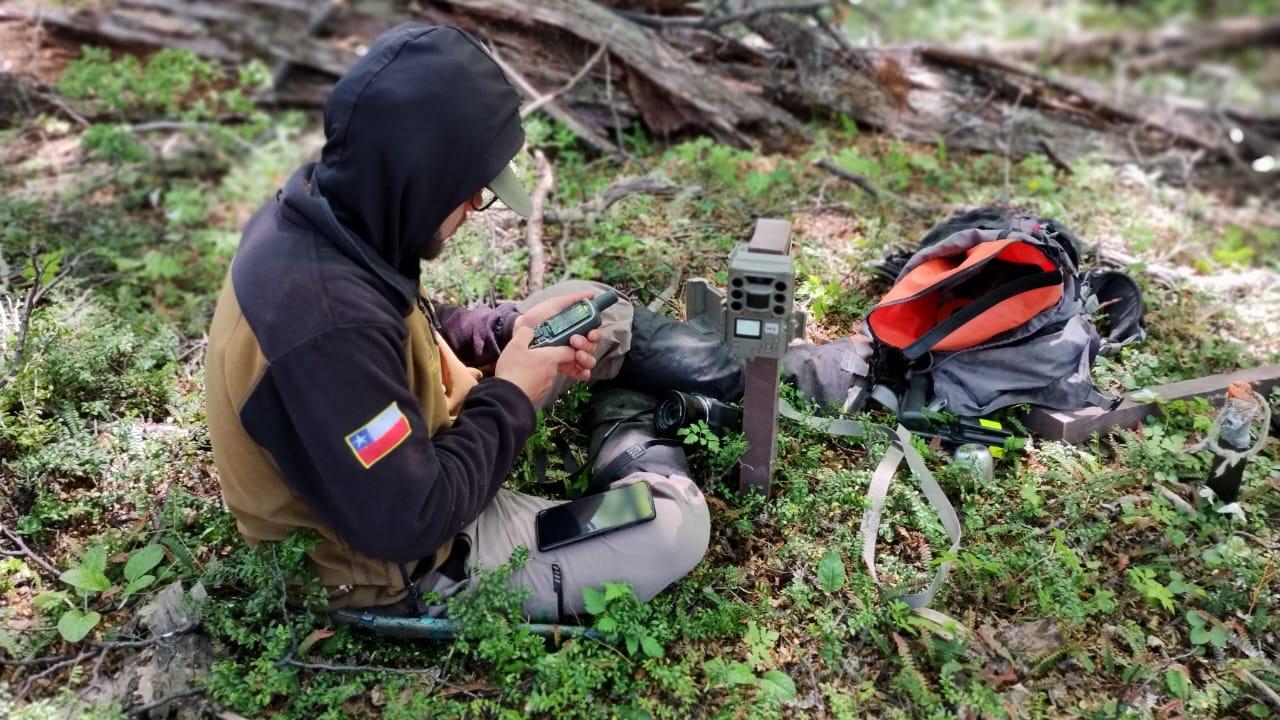
Puma movement is closely tied to prey movement, and guanaco are a major reason this ecosystem supports a real tracking experience.
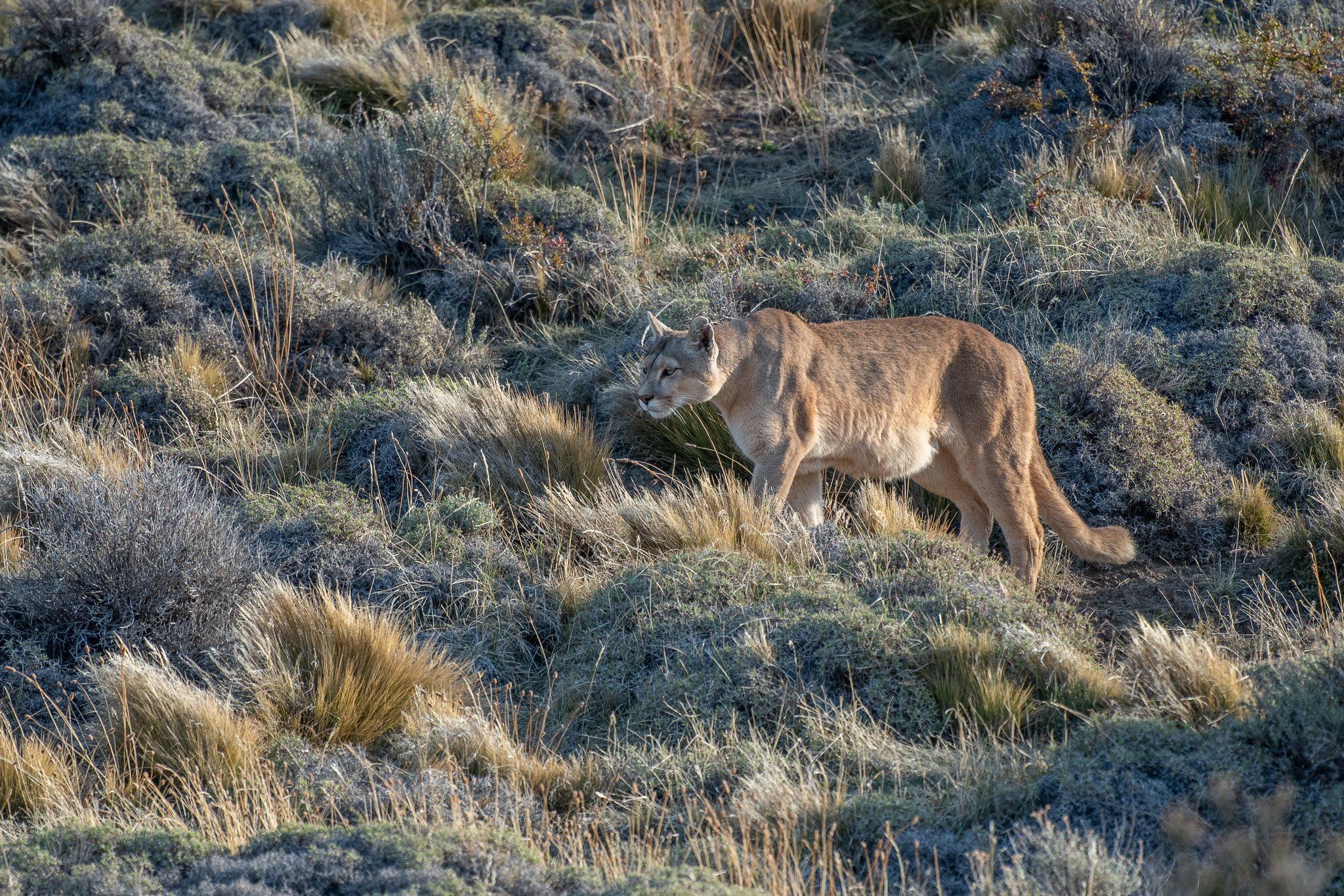
Photo by Legend Safaris
Even when a puma is distant, there is often a real chance to observe it clearly because the landscape leaves fewer places for movement to disappear completely.
This combination is what makes Patagonia different. It does not make outcomes certain, but it makes the search legible in a way few predator destinations can match.
For travelers used to traditional safaris, this difference is what makes Patagonia both more challenging - and more rewarding.
Browse Chile departures and compare how much real tracking time, guide support, and field structure each itinerary gives you - as these are the factors that most directly affect your chances in the field.
The strongest itineraries are built around consistent tracking access, not just accommodation or route length.
Across all of these questions, the key factor is time in the field and how effectively conditions can be used by the guide team.
Start with realistic timing, enough days, and a route built around tracking rather than guesswork. Then compare Chile departures based on how much real tracking time, guide support, and field structure they offer.
If you are still comparing this experience with a broader safari or planning a wider trip through Chile, use those guides alongside this page.
The difference between an average trip and a strong tracking experience is often in the details you choose here.