
$▾
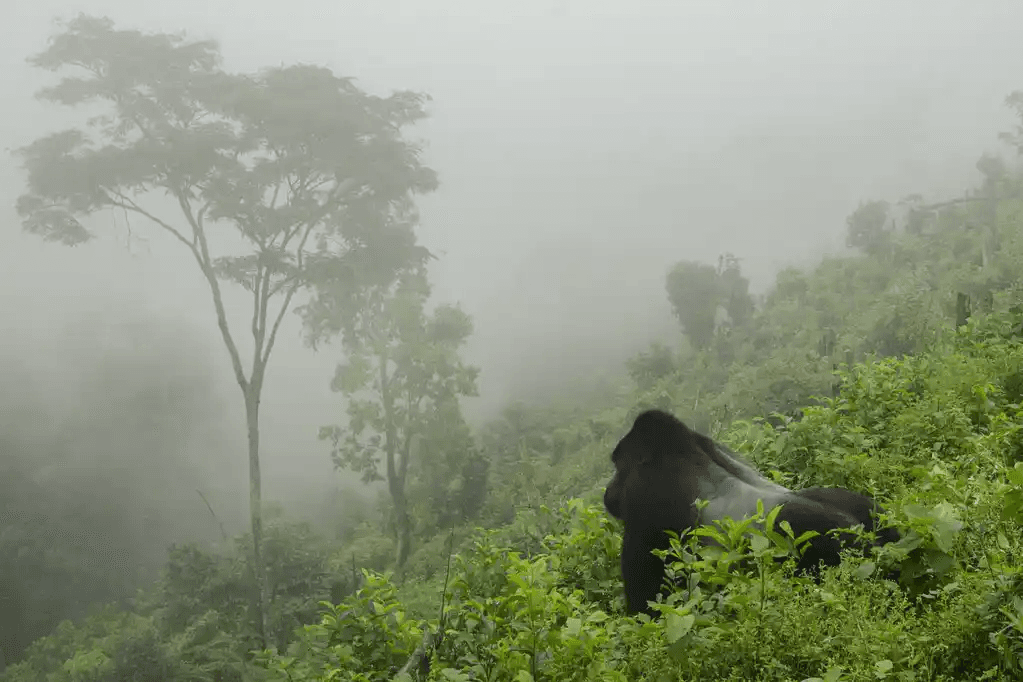
Gorilla trekking is one of the most extraordinary wildlife experiences in the world, offering the chance to encounter endangered mountain gorillas in their natural habitat.
This guide covers everything you need to know — where to go, how it works, costs, and how to choose the right tour.
View Gorilla Trekking ToursGorilla trekking is a guided hike through protected rainforest to visit a habituated mountain gorilla family. Small groups of visitors are led by experienced guides and trackers who locate the gorillas and ensure a safe and respectful encounter.
All treks are led by licensed park rangers trained in wildlife tracking and visitor safety.
Once the gorillas are located, visitors are allowed to spend a limited time observing them in their natural habitat, following strict guidelines to protect both animals and people.
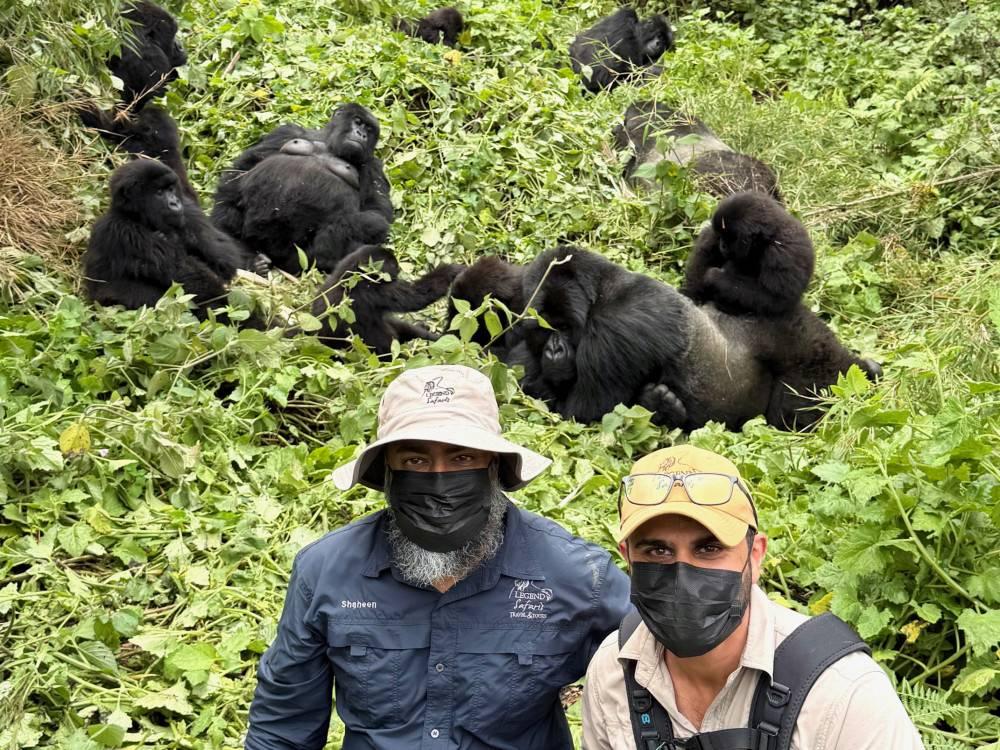
Photo by Legend Safaris
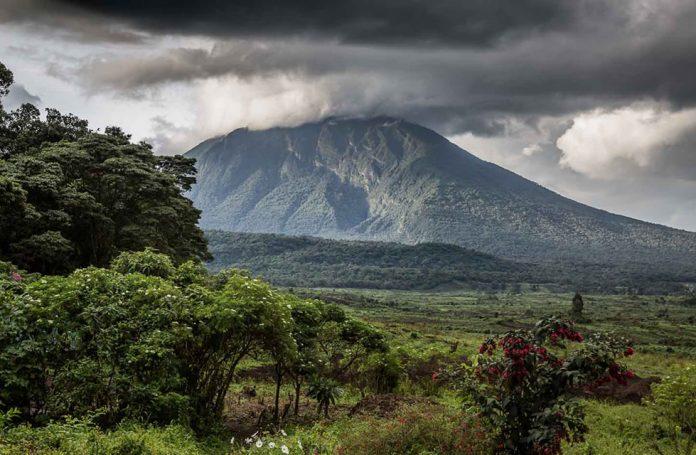
Gorilla trekking in Rwanda takes place in Volcanoes National Park and is known for its accessibility, shorter travel times, and high-end lodge options. Explore Rwanda gorilla trekking
View Rwanda toursUganda offers a more adventurous trekking experience in Bwindi Impenetrable Forest and Mgahinga Gorilla National Park, often at a lower cost. Explore Uganda gorilla trekking
View Uganda toursGorilla trekking is also possible in Virunga National Park in the Democratic Republic of the Congo, though travel conditions can be more complex and availability is limited.
Gorilla trekking follows a structured process designed to protect wildlife and ensure a safe experience.
The day begins with a briefing at the park headquarters, where visitors are assigned to small groups and receive guidelines.
From there, groups hike into the forest with guides and trackers to locate a gorilla family. The trek can last anywhere from 1 to 6 hours depending on conditions.
Once the gorillas are found, visitors spend up to one hour observing them before returning.
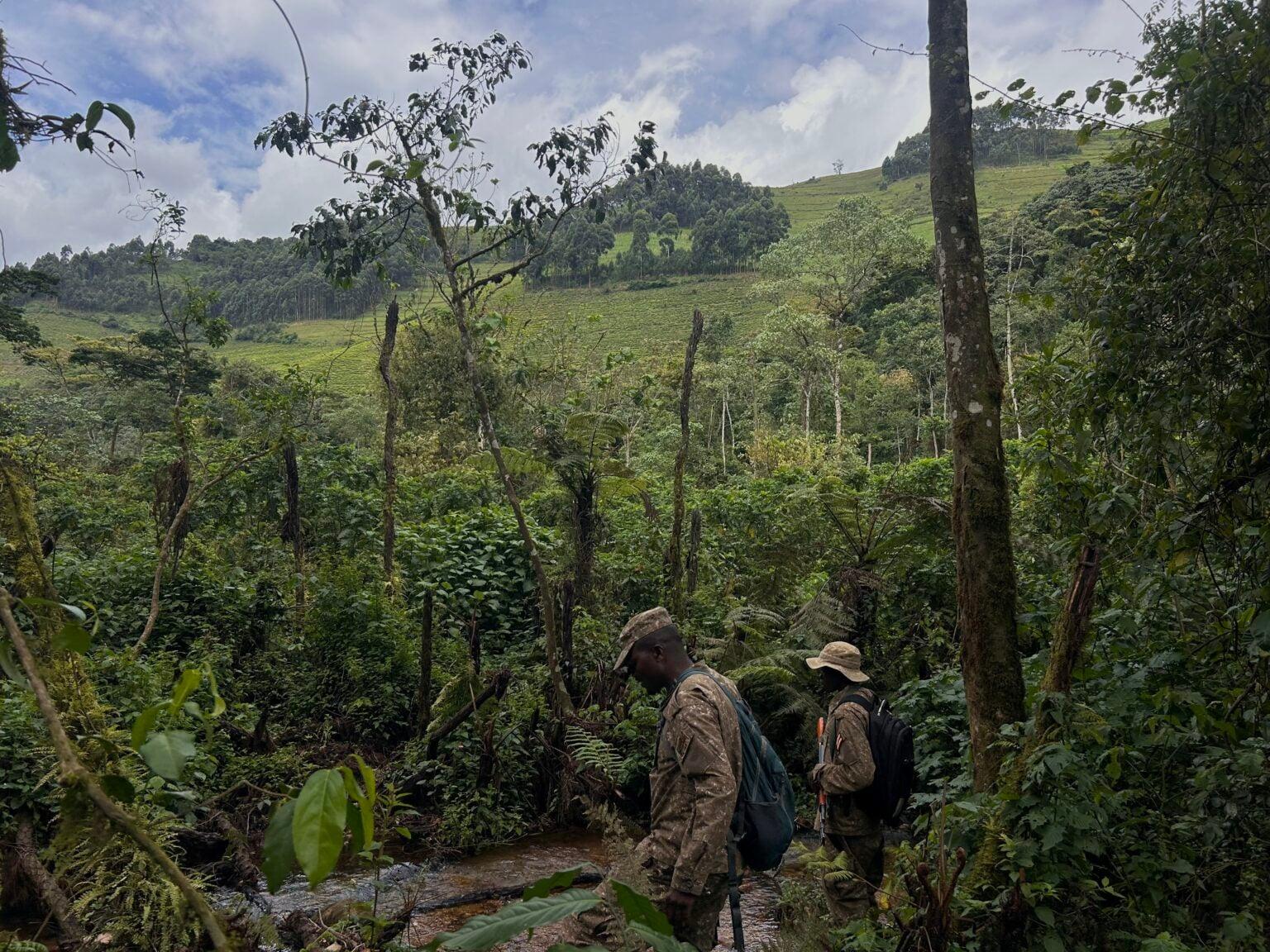
Gorilla trekking is not a typical safari — it involves hiking through dense forest, sometimes over uneven and muddy terrain.
Conditions can vary depending on weather and the movement of gorilla families, but guides adjust the pace to the group.
The experience is immersive, quiet, and closely managed, making it one of the most unique wildlife encounters available.
The main cost of gorilla trekking is the permit required to visit a gorilla family.
In Rwanda, permits are typically around USD 1,500 per person, while Uganda permits are generally lower, around USD 800 per person.
Total trip costs vary depending on accommodation, duration, and travel style, ranging from mid-range to luxury experiences.
The difficulty of gorilla trekking varies depending on terrain, altitude, and how far the gorillas are on a given day.
Most treks are considered moderate, but you should be comfortable hiking for several hours in natural conditions.
Porters are often available to assist with gear, making the experience more accessible.
Gorilla trekking is possible year-round, but drier months are generally more comfortable for hiking.
June to September and December to February are often considered the best periods, while rainy seasons can make trails more challenging but less crowded.
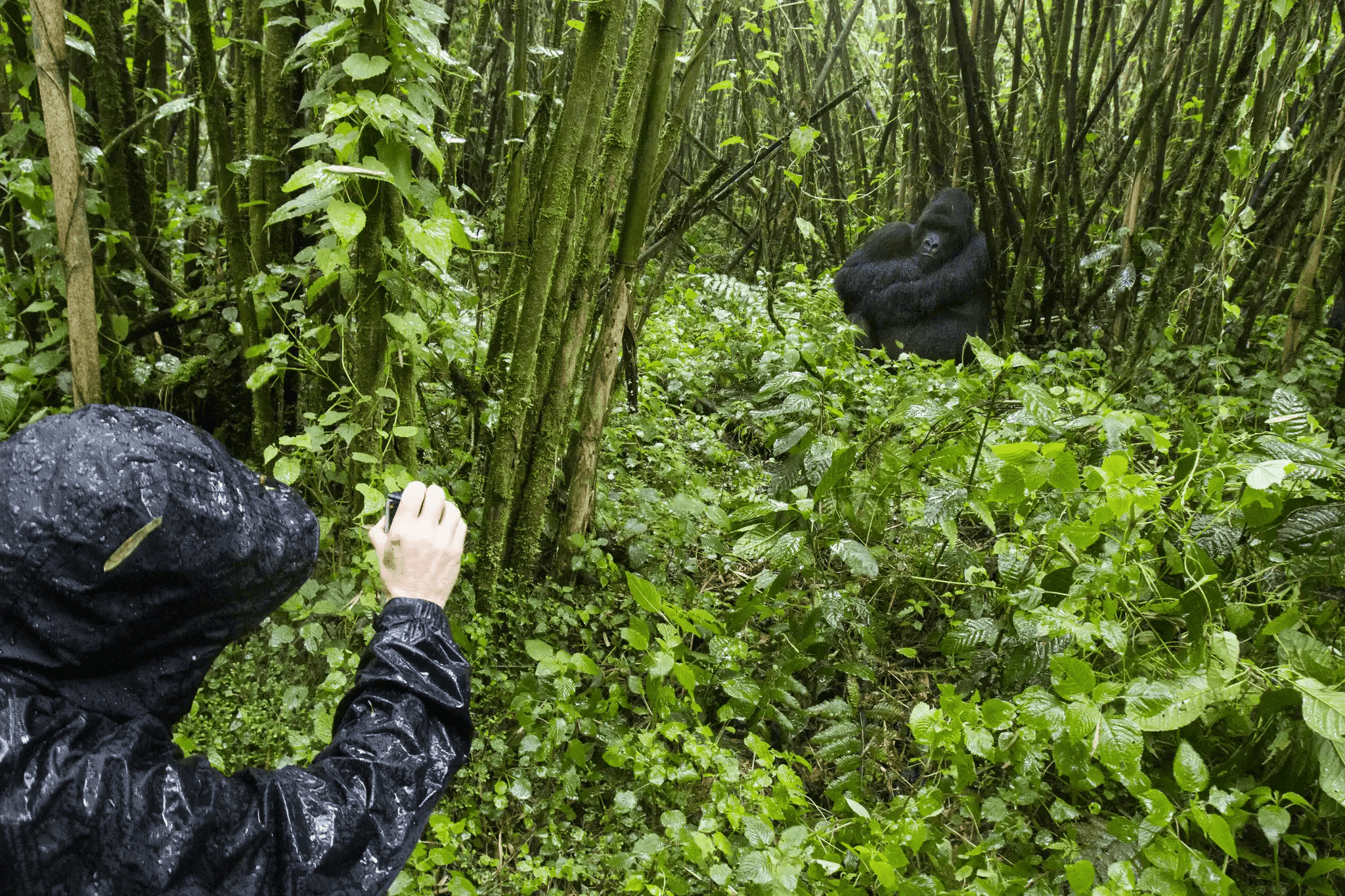
Packing appropriately can significantly improve comfort during the trek.
Tours from our partners — filter by destination and dates on the search page.
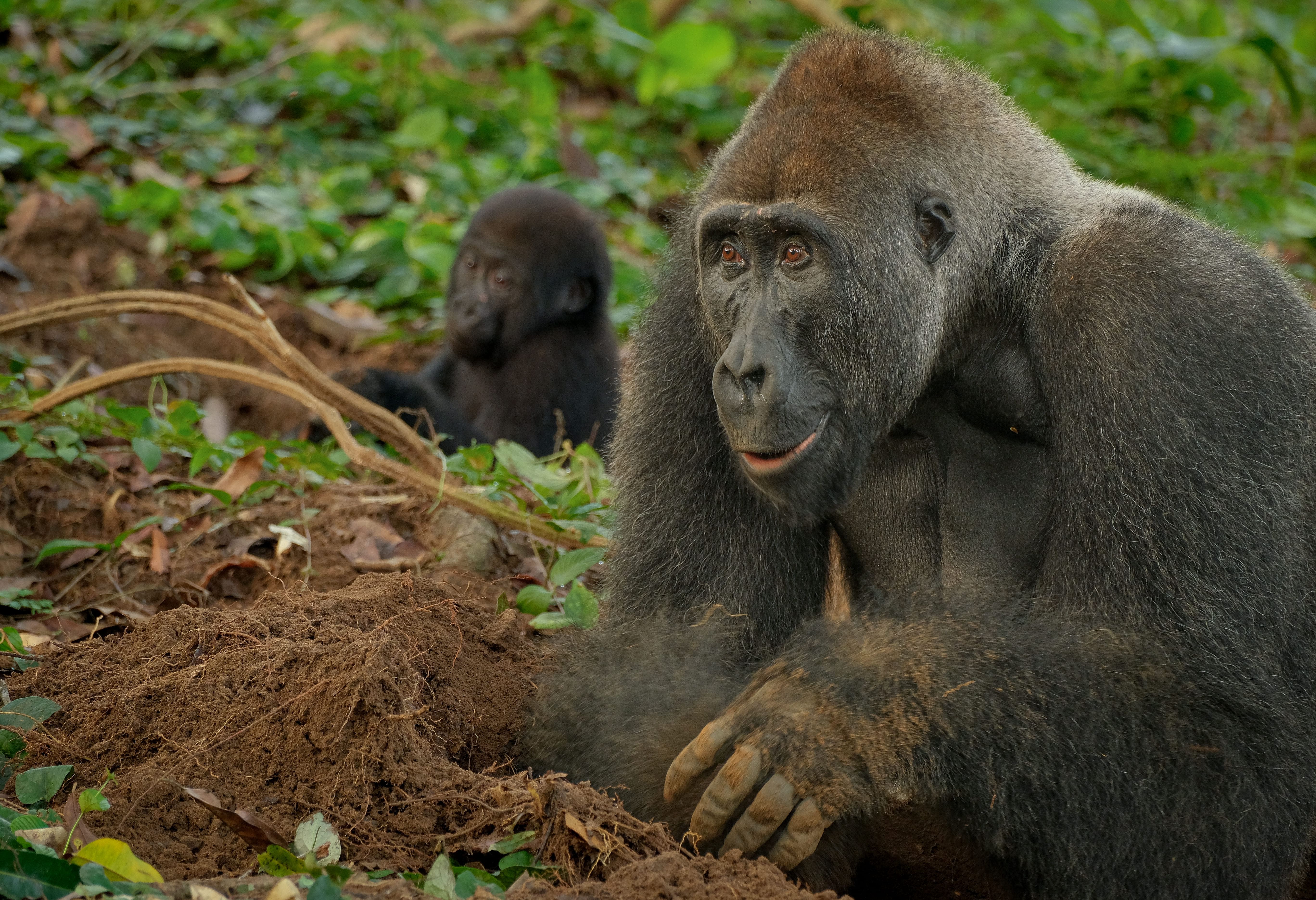
Comfort: Hign-end

Destination: Republic of Congo

Operated in: English and 4 more

Duration: 8 days
Starts from $14,930
 4.9 - 49 Reviews
.jpg)
Comfort: Hign-end
Destination: Republic of Congo
Operated in: English and 4 more
Duration: 11 days
Starts from $18,695
4.9 - 49 Reviews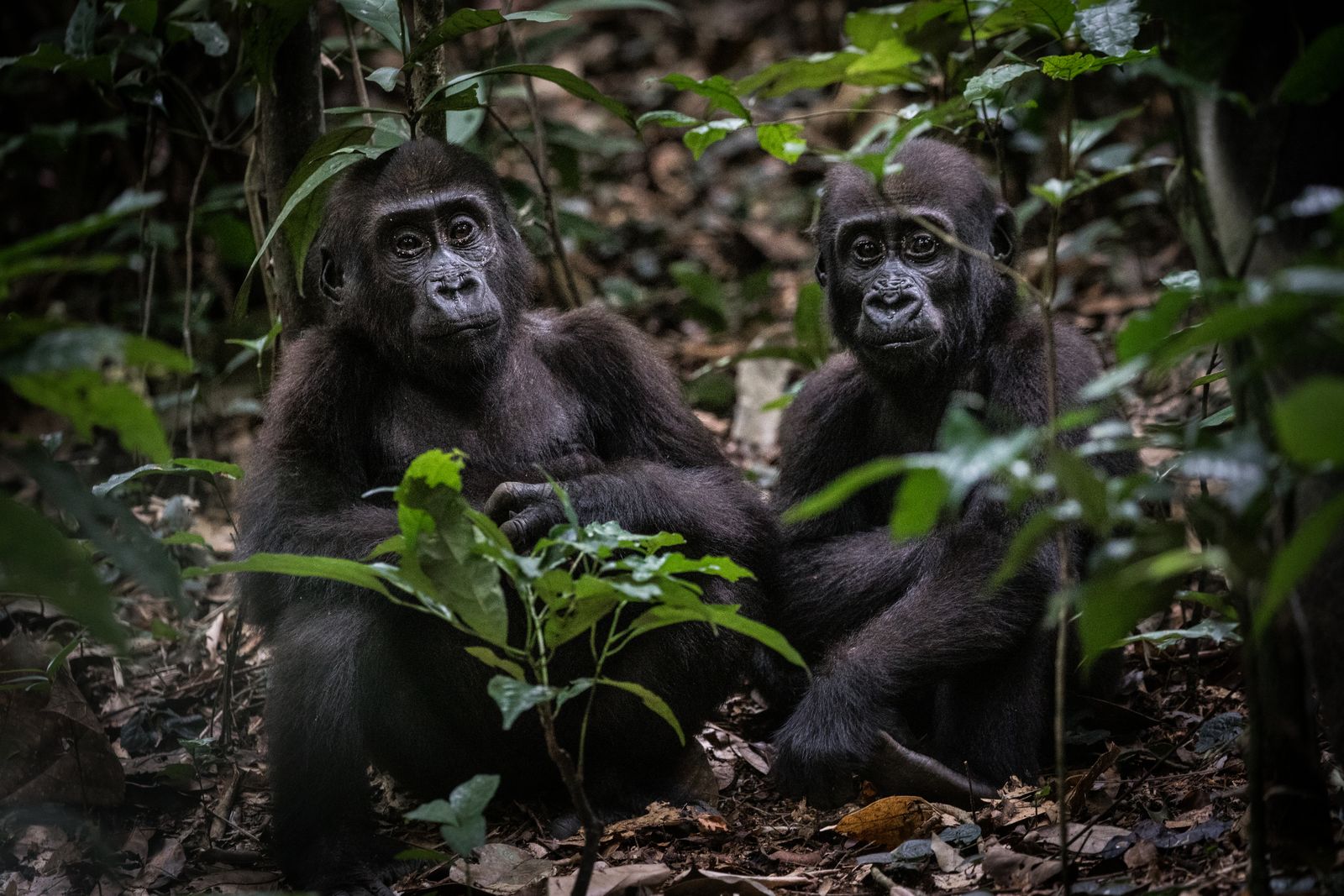
Comfort: Hign-end
Destination: Republic of Congo
Operated in: English and 4 more
Duration: 12 days
Starts from $20,155
4.9 - 49 Reviews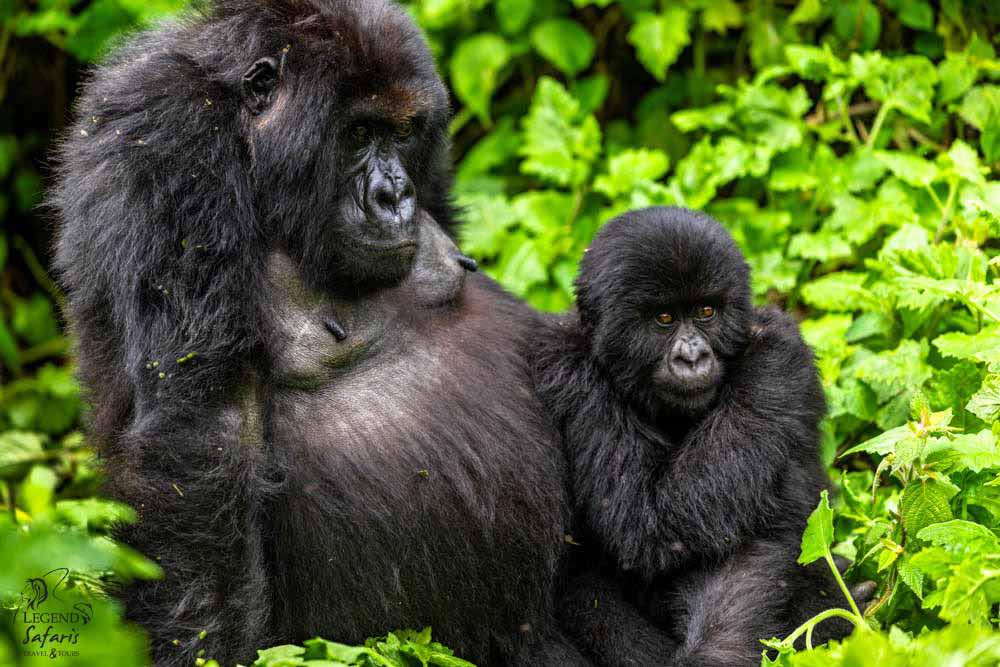
Comfort: Lux tour
Destination: Rwanda
Operated in: English and 4 more
Duration: 9 days
Starts from $9,500
4.9 - 267 Reviews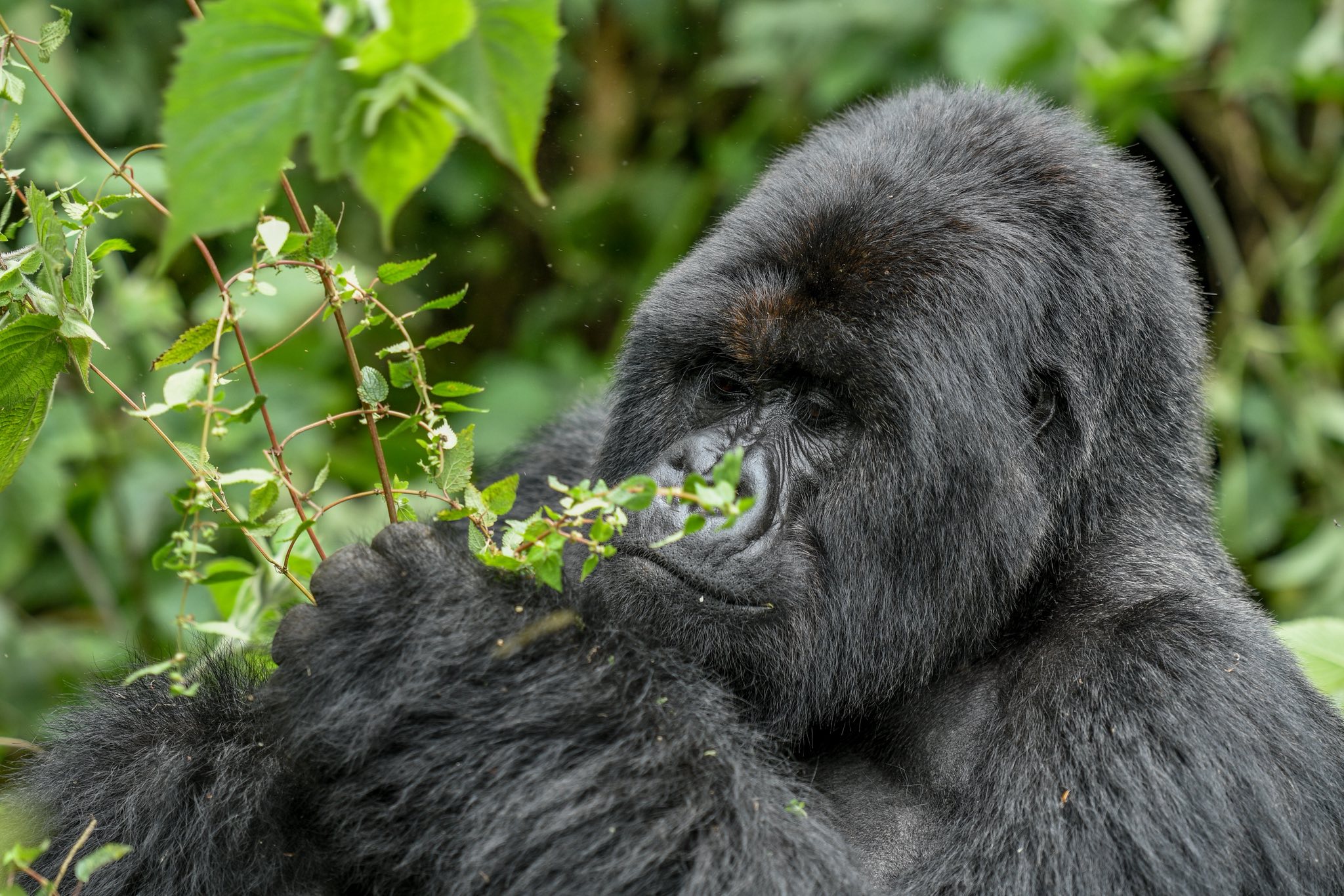
Comfort: Lux tour
Destination: Rwanda
Operated in: English and 4 more
Duration: 5 days
Starts from $7,500
4.9 - 267 Reviews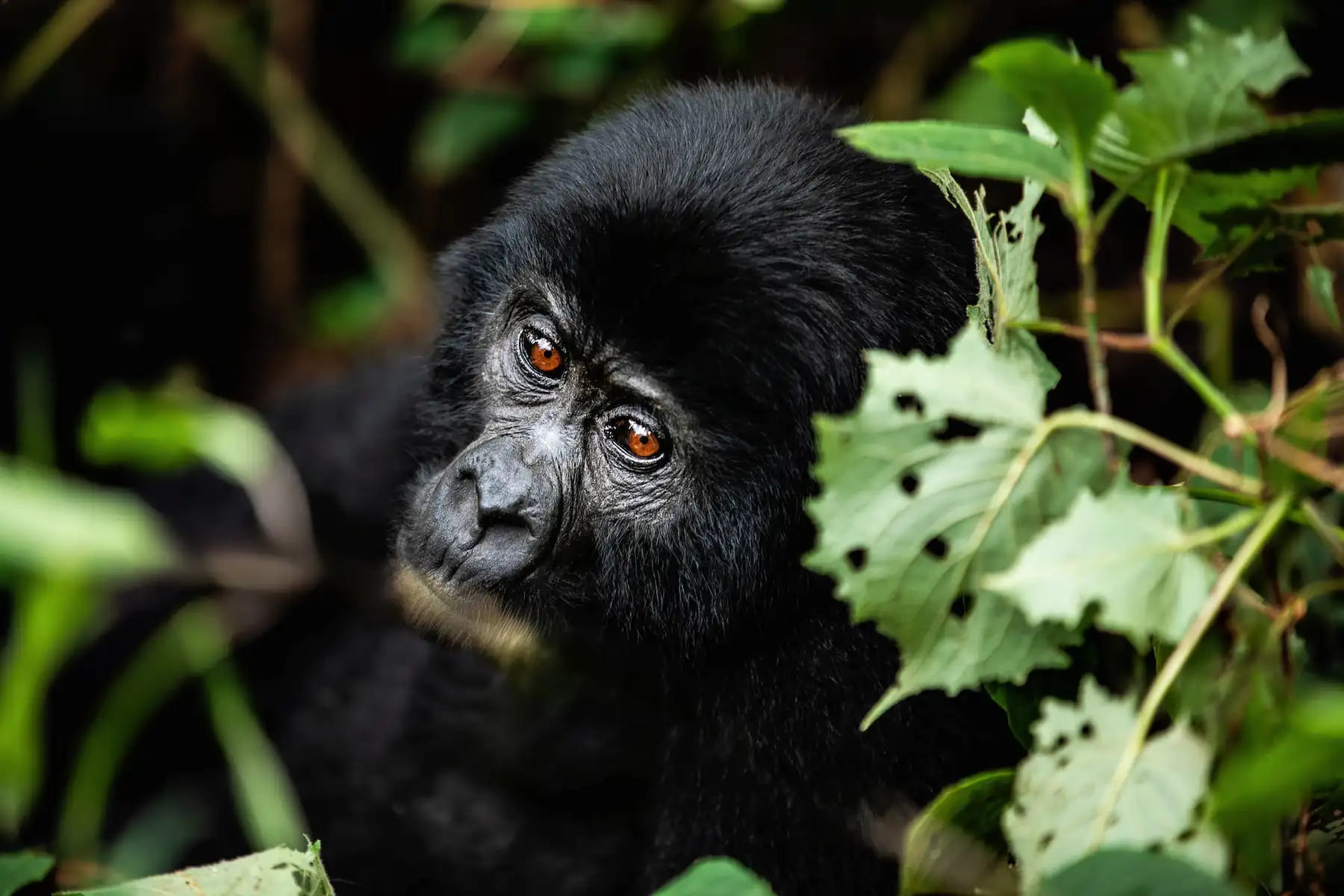
Comfort: Mid-range
Destination: Uganda
Operated in: English and 4 more
Duration: 11 days
Starts from $4,100
5.0 - 264 ReviewsExplore available tours and plan your journey to see mountain gorillas in the wild.