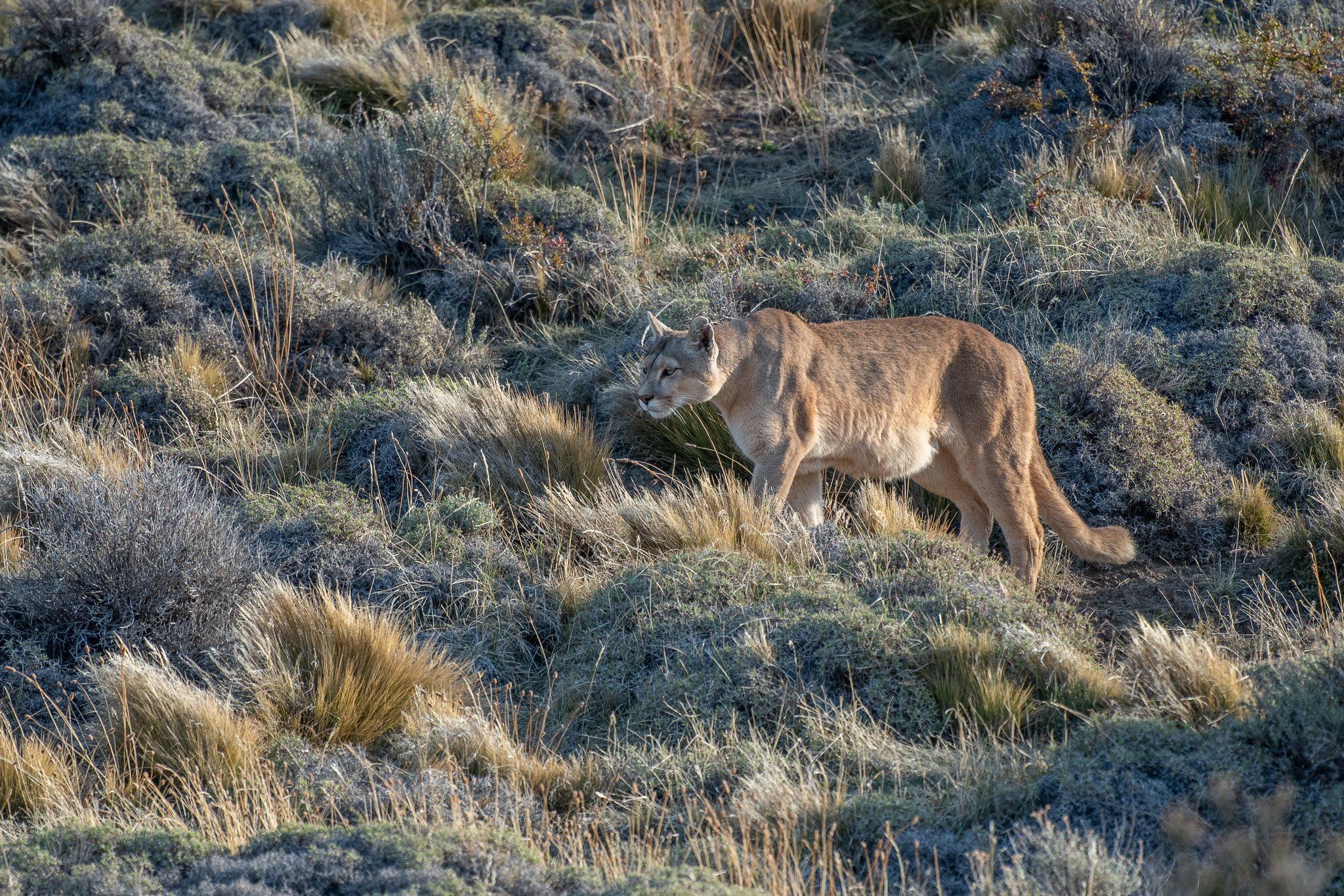
Photo by Legend Safaris
Primary target
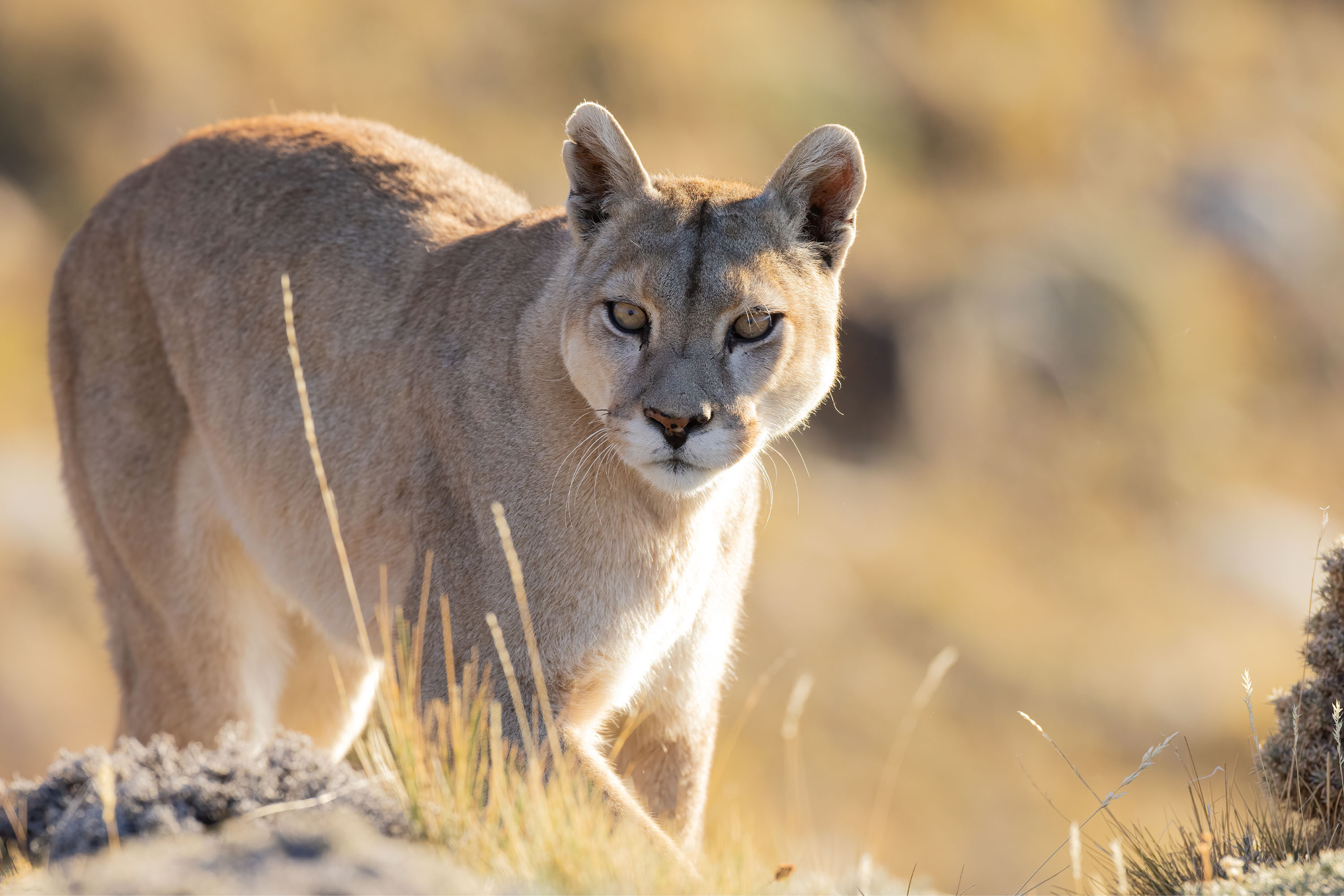
Puma
The central species in Patagonia wildlife and the predator that gives the whole destination its identity.


Photo by Legend Safaris
Patagonia offers a rare wildlife experience built around open landscapes and predator tracking, where pumas are the primary focus within a wider ecosystem.
Chile, specifically Patagonia, is one of the only places in the world where seeing wild pumas as part of a structured wildlife journey is realistic.
This is not a classic drive-heavy safari. It is a destination defined by open terrain, field time, and specialist predator-focused guiding.
Wildlife here is shaped by open landscapes and predator-prey dynamics, not by high animal density or constant sightings.
Patagonia wildlife stands out for open terrain, visible predator-prey relationships, and a specialist tracking environment that feels very different from high-density safari systems.
Open ridgelines and steppe habitat improve long-distance visibility, which is one of the biggest reasons Chile is such a strong wildlife destination for predator-focused travel.
The region is also unusually well suited to specialist tracking, with guides working in landscapes where prey movement, scavenger activity, and open ground all shape how wildlife is experienced.
Wildlife in this region is shaped by the predator-prey relationship, rather than high-density animal viewing.
If you are comparing wildlife formats, this sits inside broader safari planning but behaves differently: lower volume, higher intent, and a stronger predator focus.
This creates a wildlife experience defined more by ecosystem balance and movement than by the volume of animals seen on each outing.
Chile wildlife trips are high-engagement, low-volume, and shaped by field time rather than vehicle-based game viewing.
There is no classic vehicle circuit here. The puma tracking experience is built around walking-based tracking in open country with a guide leading the rhythm of the day.
Groups are intentionally small, which keeps the experience quieter, more flexible, and better suited to wildlife-focused observation.
It feels closer to a field experience than a traditional safari, with more emphasis on patience, movement, and time in habitat.
Core field format
This is not a traditional safari — it is a tracking experience built around one predator.
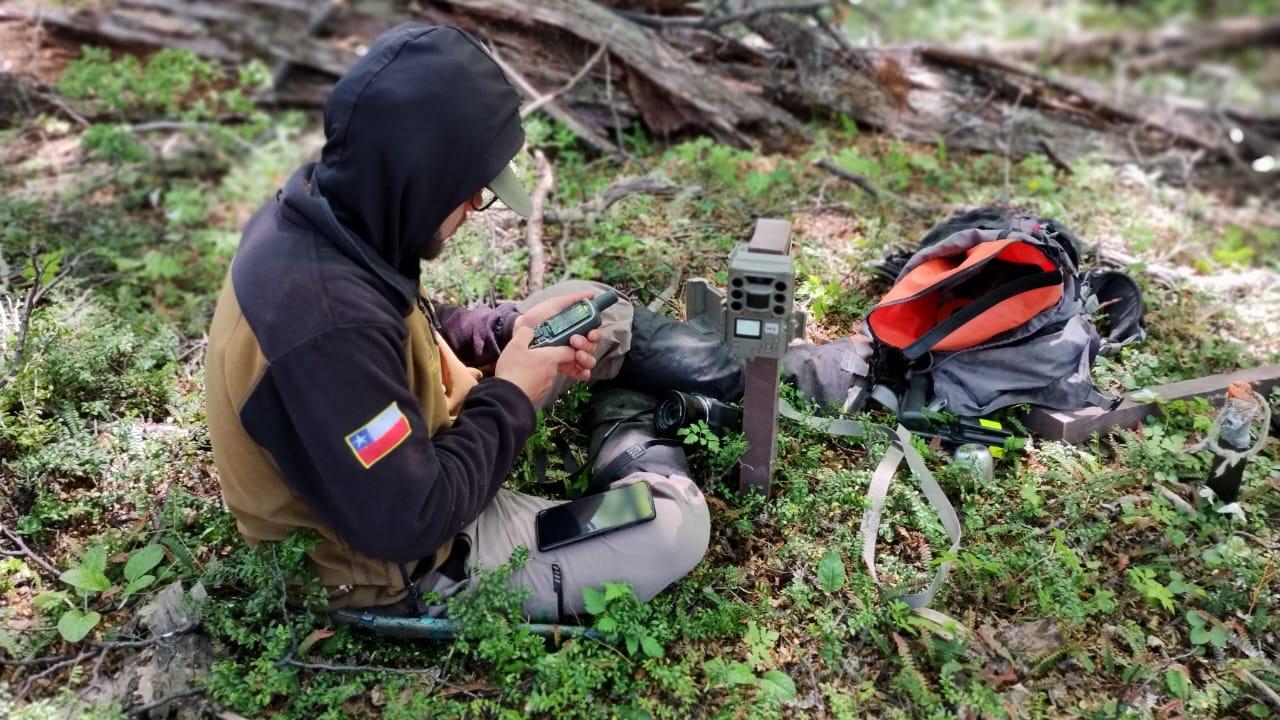
Puma tracking is the defining wildlife experience here, but on this page it should be understood as the destination's core format rather than a full planning guide.
Puma tracking is the primary experience here, but it sits within a broader wildlife system shaped by terrain, visibility, and prey movement.
Puma tracking here means a guide-led, field-based search for the region's top predator in open Patagonia habitat. It is the main reason many travelers choose Chile, but it is still part of a wider wildlife ecosystem rather than a standalone spectacle.
For a detailed breakdown of how puma tracking works, including planning, timing, and realistic expectations, see our dedicated puma safari guide .
For detailed planning, tracking methods, and how to approach sightings over multiple days, see our dedicated puma safari guide.
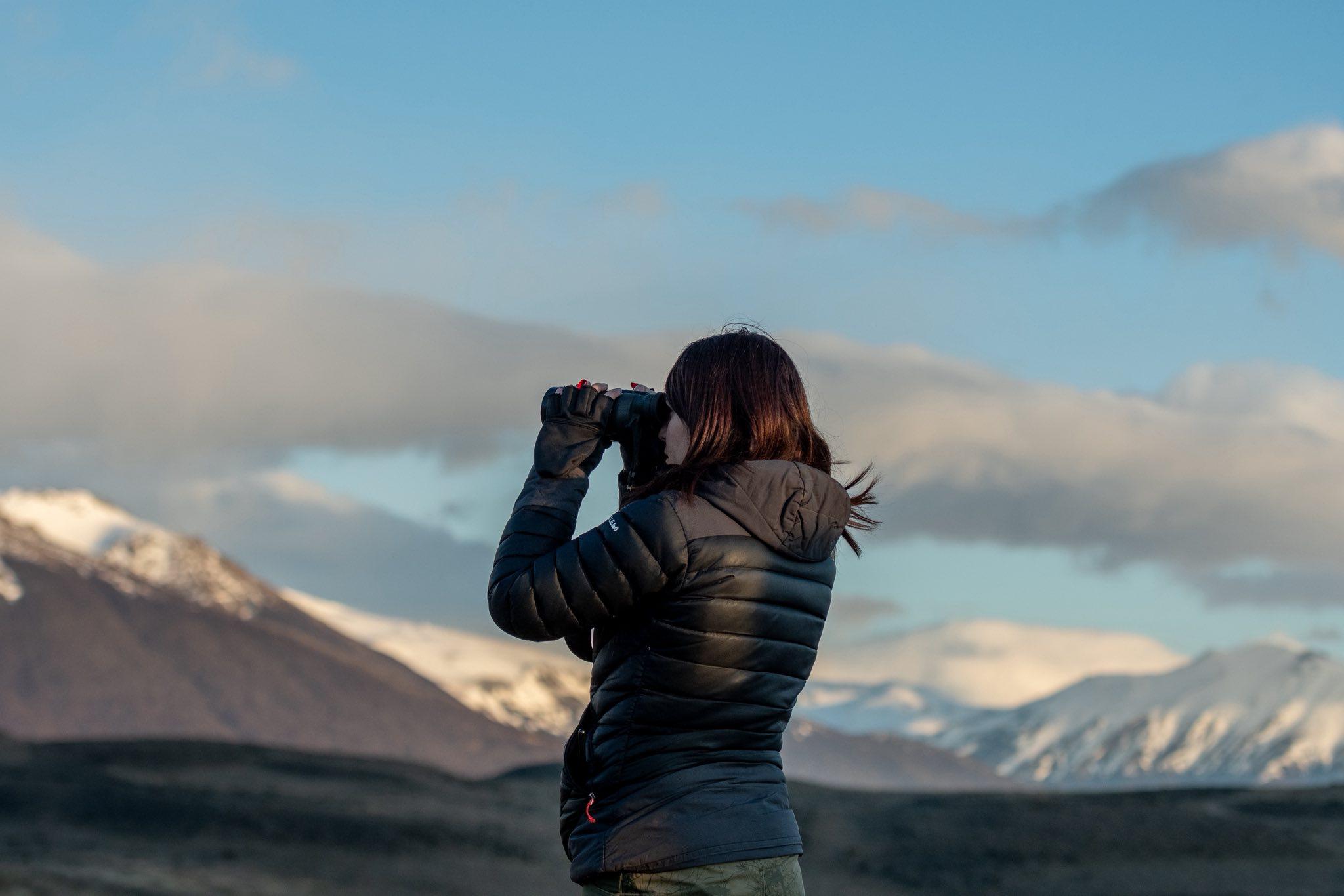
Photo by Legend Safaris
Photo by Legend Safaris
Primary target
The central species in Patagonia wildlife and the predator that gives the whole destination its identity.
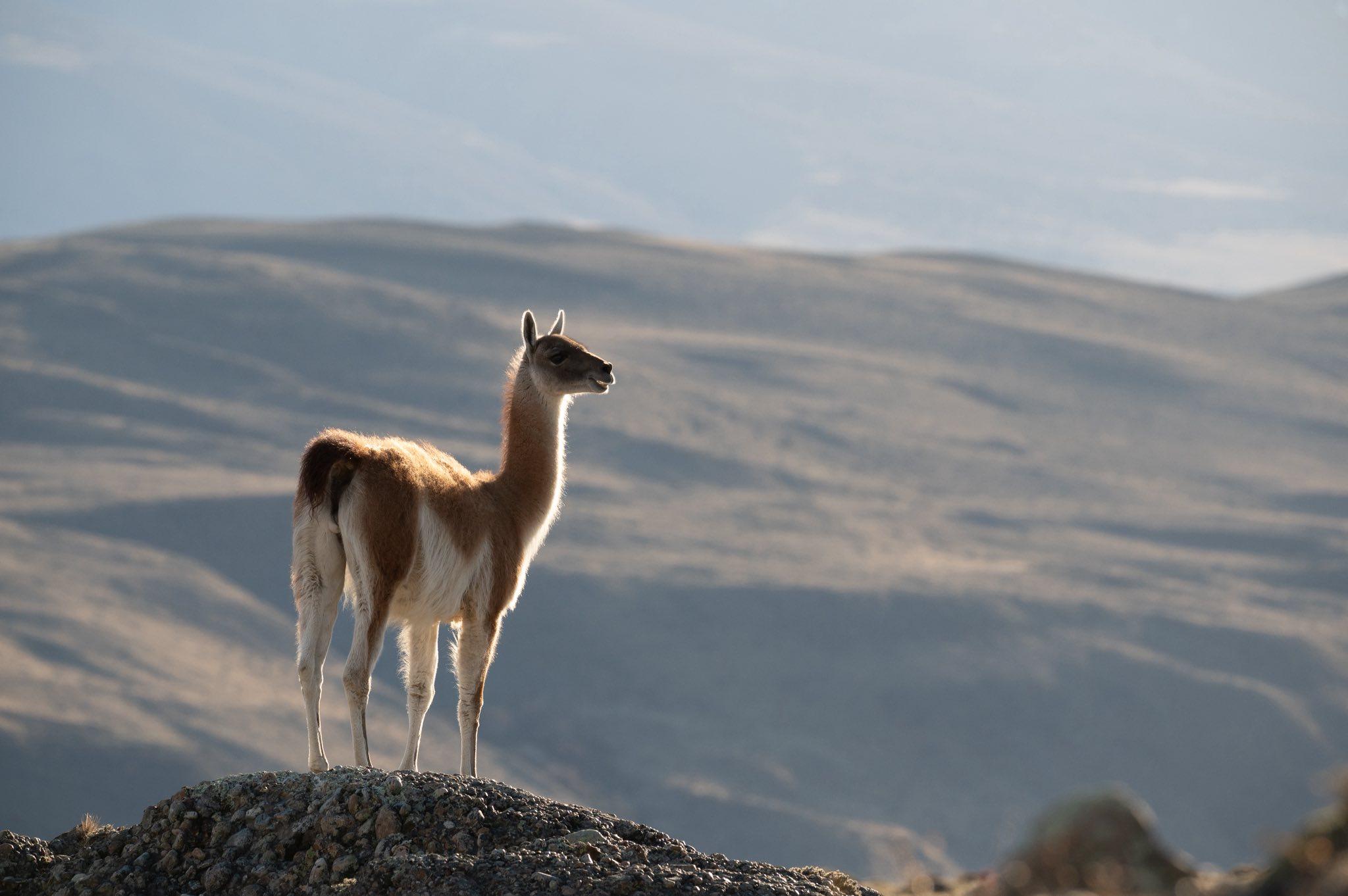
Photo by Legend Safaris
Supporting ecosystem
The key prey species in this landscape and an essential part of understanding why pumas are here.
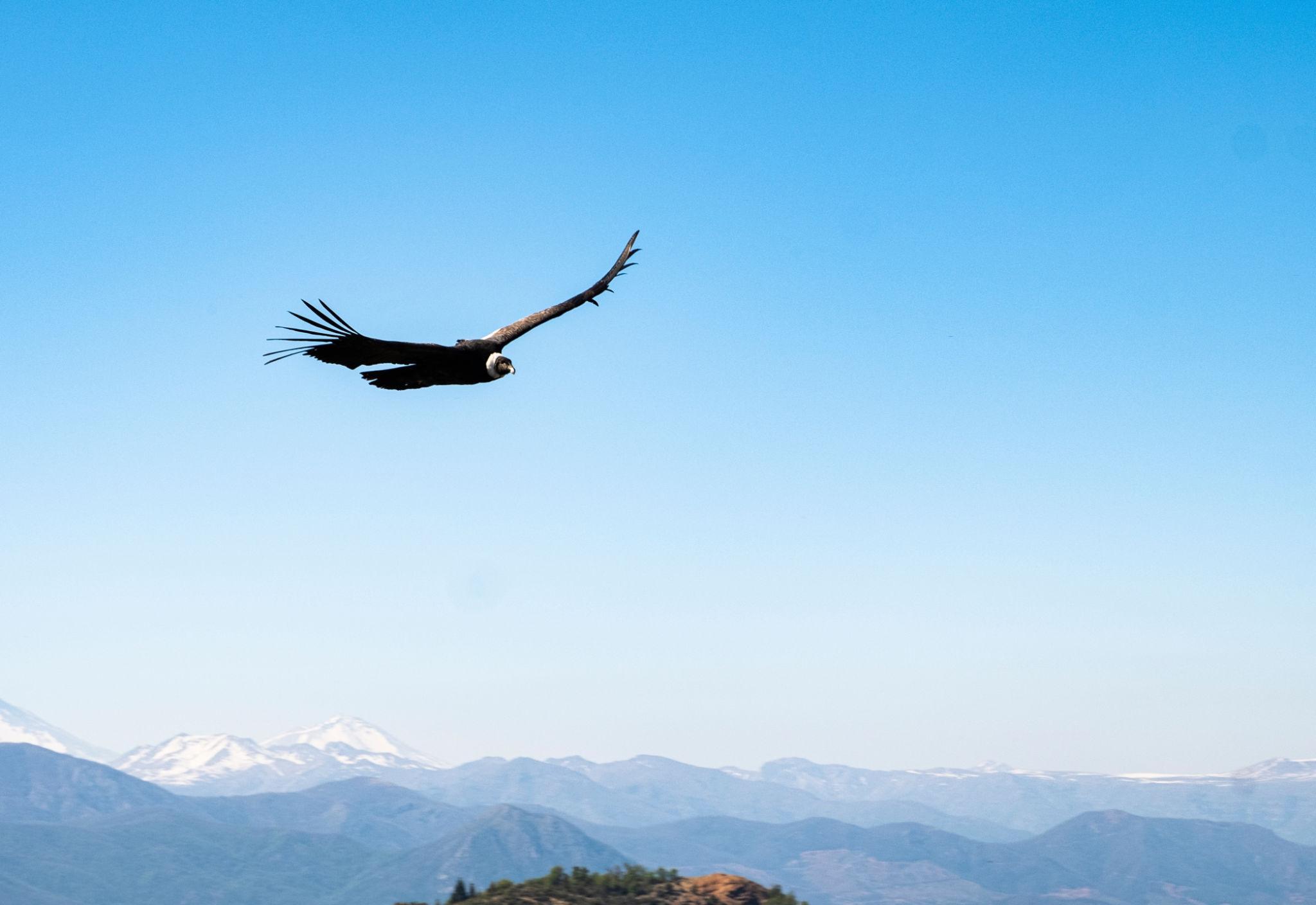
Supporting ecosystem
A scavenger and aerial presence that reinforces the predator-prey structure of the region.

Photo by Legend Safaris
Supporting ecosystem
Secondary predators that add context to the ecosystem without displacing the puma as the main focus.
These species make the destination coherent: pumas remain central, but the wider ecosystem is what gives Patagonia wildlife its depth.
Patagonia seasons change light, wind, and visibility, so the feel of the wildlife experience shifts across the year.
Shoulder and cooler seasons
Often bring cleaner visibility, steadier temperatures, and strong light conditions for time in the field.
Warmer months
Longer days can mean more time outdoors, though visibility can vary more depending on light and seasonal conditions.
In general, the best time depends on the balance you want between season, light quality, and overall visibility.
3 to 4 days
Possible, but limited for getting a full feel for the destination.
5 to 7 days
Better for most travelers who want a fuller Patagonia wildlife experience.
Most travelers benefit from enough time to settle into the rhythm of the landscape rather than treating it as a quick stop.
Higher daily rates
Chile wildlife trips are usually priced above broader wildlife departures because the format is specialist and relatively focused.
Specialist guiding
Much of the value comes from guide knowledge and the field-based nature of the experience.
Small group structure
Smaller groups are common, which helps preserve the character of the trip but also affects pricing.
Compare itineraries filtered for Chile and prioritize route design, tracking structure, and number of field sessions.
Comfort: Mid-range

Destination: Chile

Operated in: English and 1 more

Duration: 6 days
Starts from $5,915
 4.7 - 58 Reviews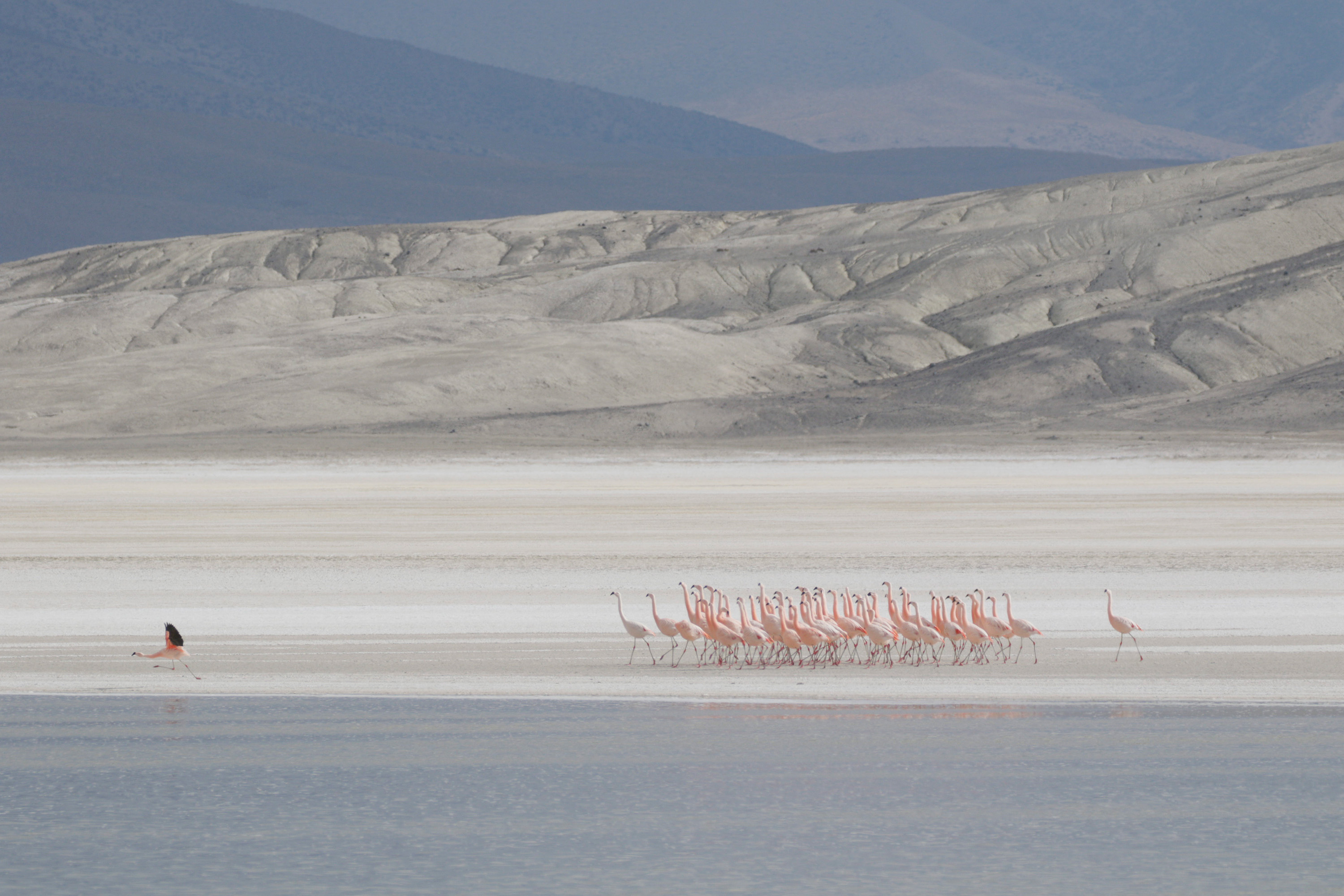
Comfort: Mid-range
Destination: Chile
Operated in: English and 1 more
Duration: 6 days
Starts from $3,663
4.7 - 58 Reviews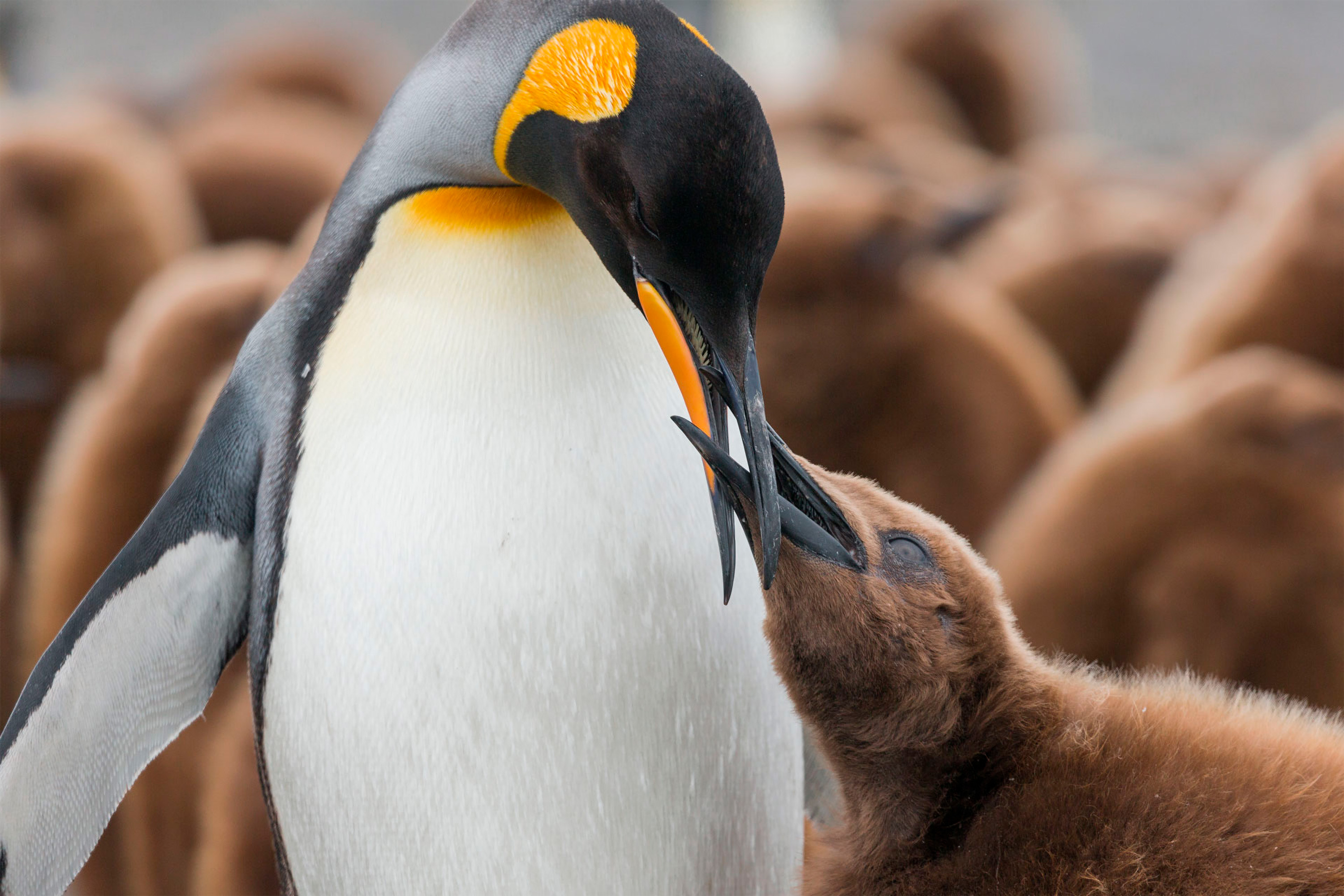
Comfort: Mid-range
Destination: Chile
Operated in: English and 1 more
Duration: 19 days
Starts from $14,654
4.7 - 58 Reviews.jpg)
Comfort: Mid-range
Destination: Chile
Operated in: English and 1 more
Duration: 11 days
Starts from $10,328
4.7 - 58 Reviews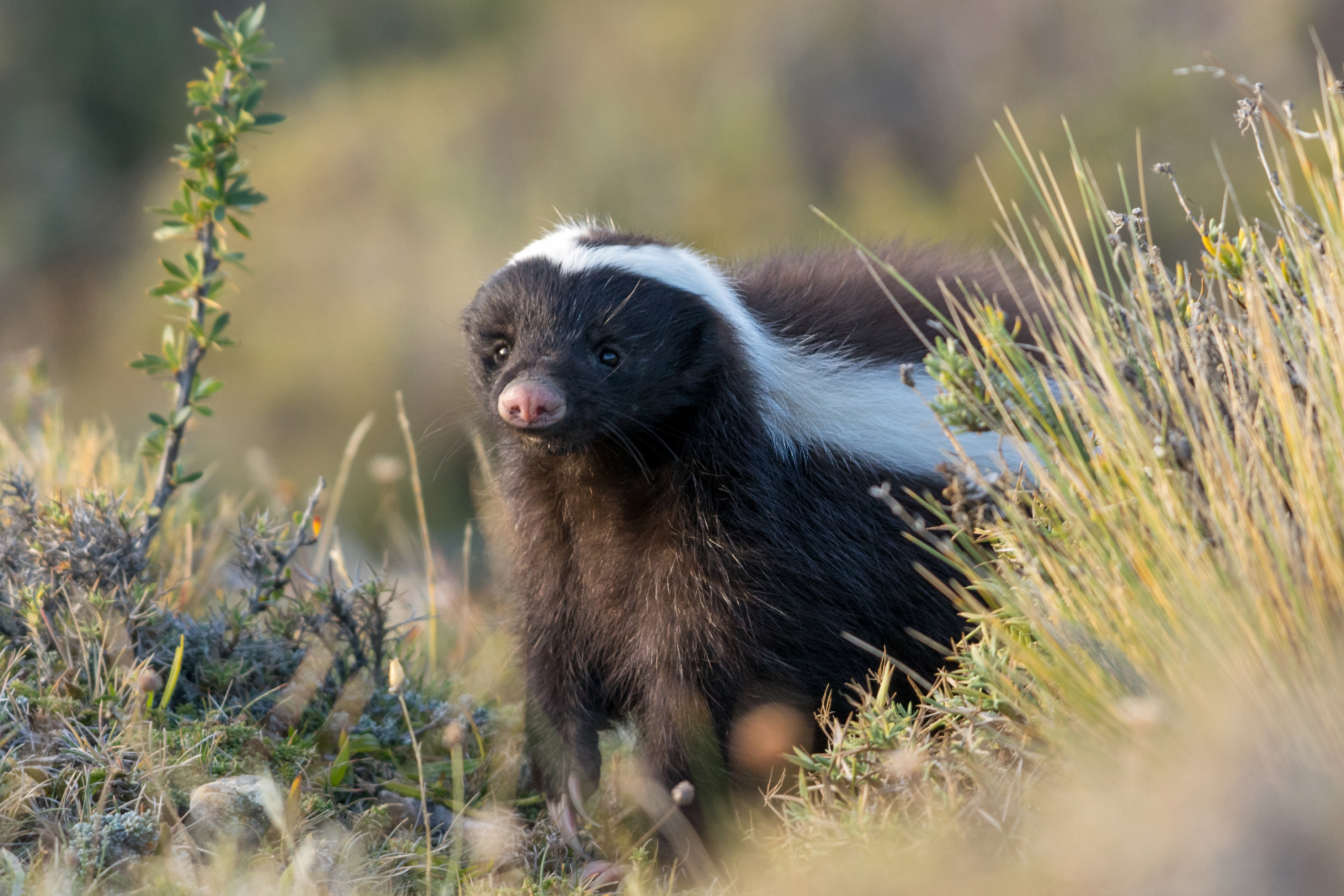
Comfort: Mid-range
Destination: Chile
Operated in: English and 1 more
Duration: 14 days
Starts from $7,300
4.7 - 58 Reviews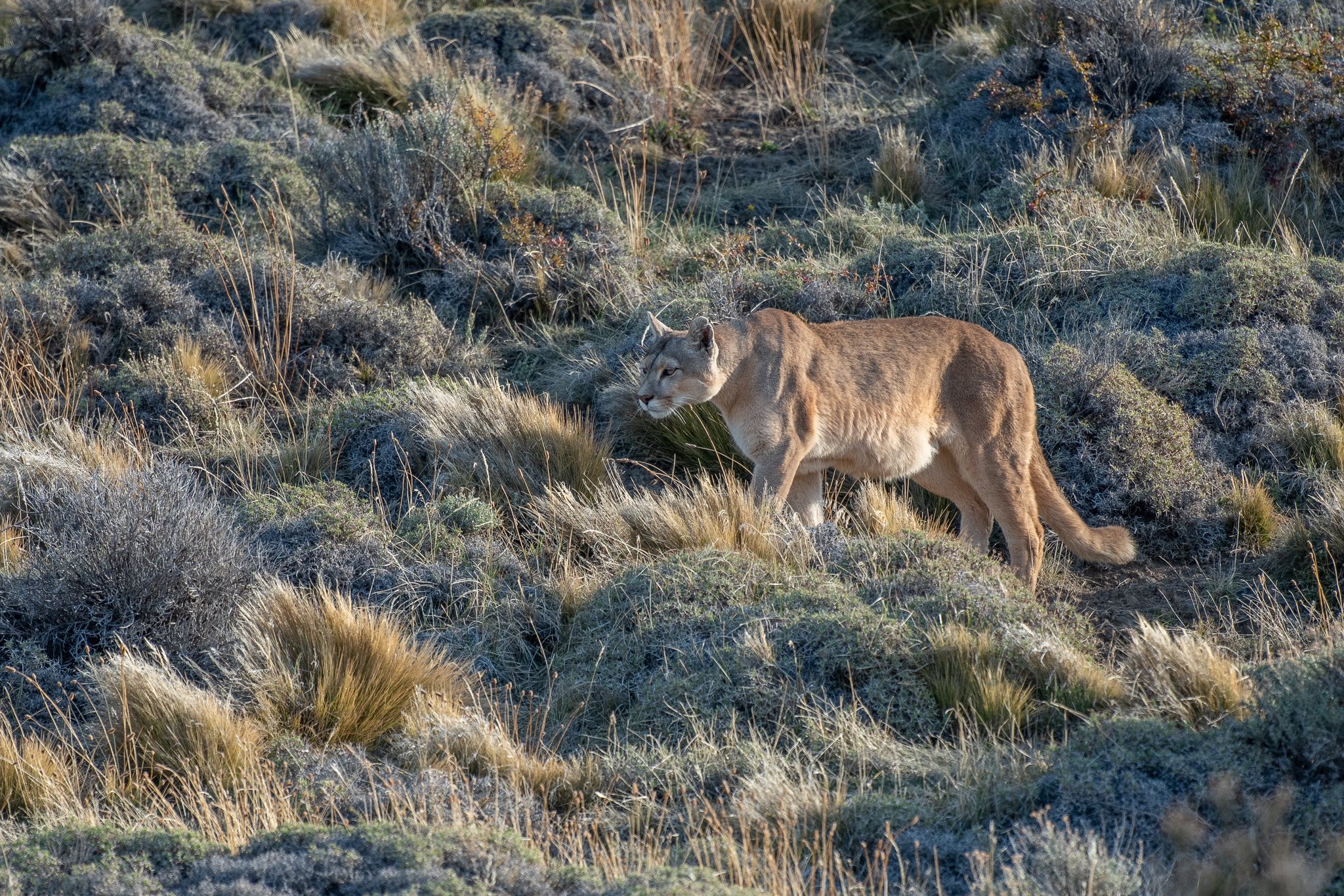
Comfort: Mid-range
Destination: Chile
Operated in: English and 4 more
Duration: 7 days
Starts from $14,500
4.9 - 267 ReviewsChoose Chile if you want a wildlife destination shaped by open Patagonia landscapes, predator tracking, and a more field-based safari rhythm.
For a deeper look at tracking experience and planning, explore our puma safari guide.