FaunaExplore logo
Snow leopard safari trekking expedition in Ladakh

Snow Leopard Safari: Trekking Expeditions to Find the World's Rarest Big Cat

A snow leopard safari in Ladakh is a high-altitude expedition built around trekking, glassing distant ridges, and following the faintest signs of one of the hardest big cats on Earth to see.

This is not a typical safari. You are trading comfort and certainty for rarity, effort, and the small but real possibility of a genuinely extraordinary sighting.

What makes a snow leopard safari different

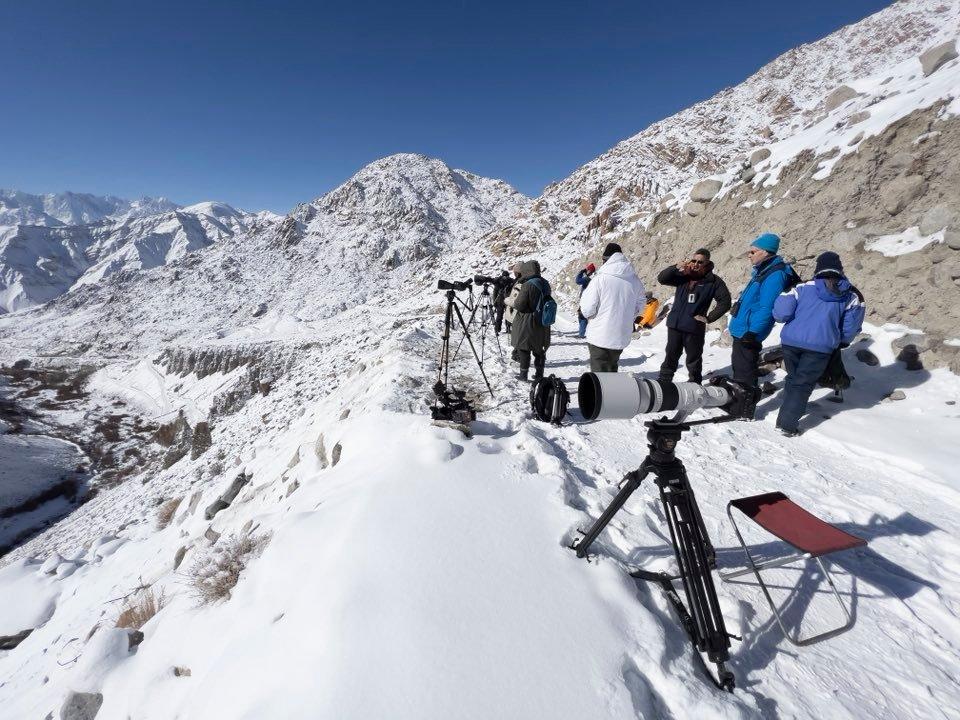
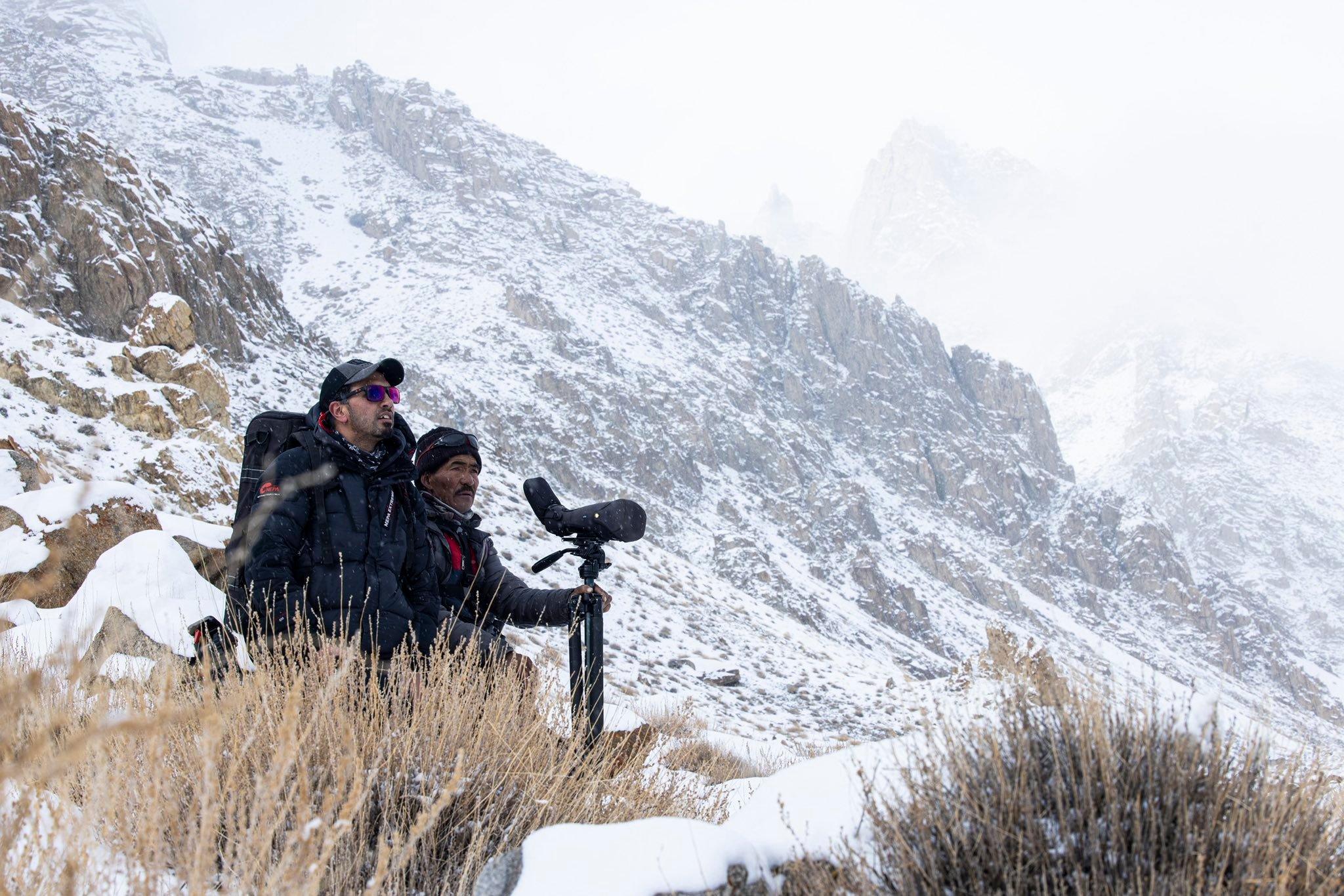
A snow leopard safari is closer to an expedition than a conventional wildlife holiday. You are not driving from sighting to sighting. You are trekking to vantage points, waiting in the cold, reading terrain with guides and spotters, and accepting that nothing may happen for hours.

  • This is not vehicle-based safari viewing. Much of the work is done on foot, at altitude, through binoculars and scopes.
  • Long waiting periods are normal. The day can be defined by patience rather than movement.
  • There are no guaranteed sightings, and serious operators should say that clearly from the start.

This is not about seeing many animals — it's about finding one.

How hard is it to see a snow leopard?

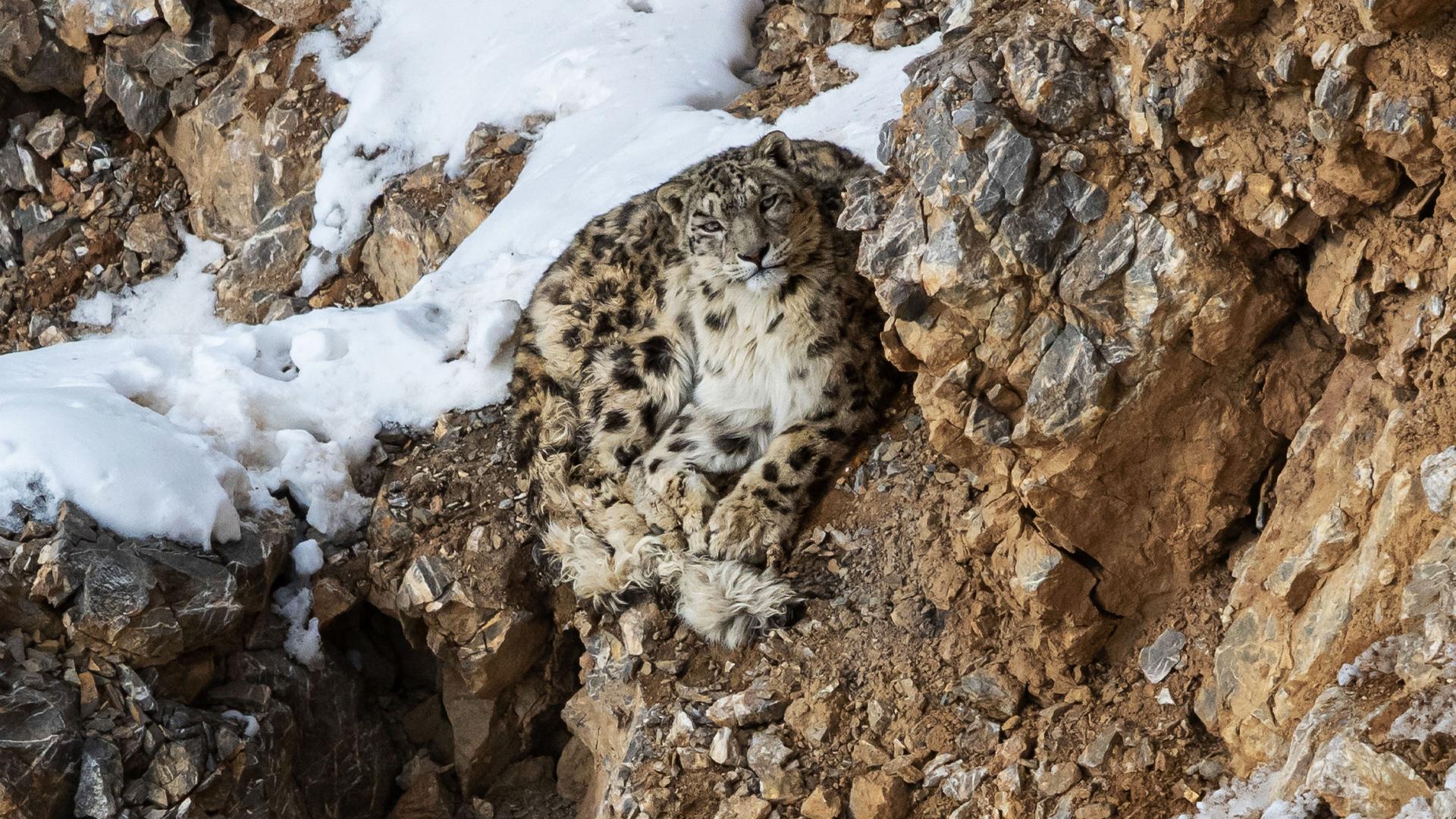
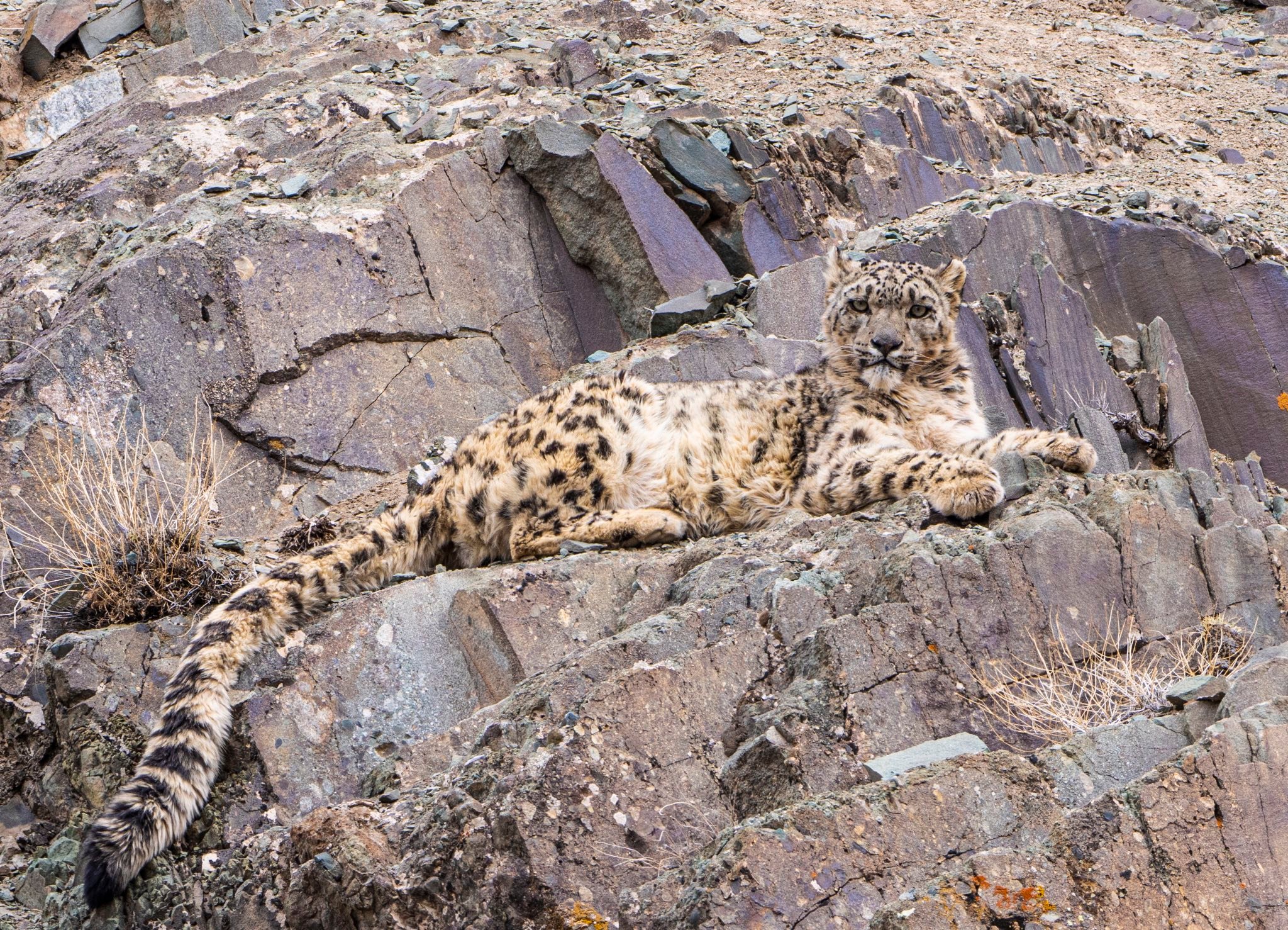
Very hard. Snow leopards live at low densities, move across huge mountain terrain, and can disappear into broken rock almost instantly. Even in the best-known valleys, the challenge is real.

The most realistic way to think about a snow leopard expedition is not in terms of certainty, but whether your itinerary gives you enough days to let local intelligence, weather, and patient scanning work in your favor.

A short 3 to 4 day trip is usually too optimistic. Most travelers should think in terms of a full 6 to 8 day field window after acclimatization, with longer trips improving the odds.

Realistic expectations

  • Rough week-long success rates are often discussed in broad terms around 40 to 60 percent in good conditions, but there is no standard number and outcomes vary sharply.
  • Some departures see a cat within days. Others finish without a sighting despite strong guiding.
  • Fresh snow, prey movement, wind, visibility, and how recently a leopard has been reported all matter.
  • If a page makes the sighting sound likely, treat that as marketing rather than field reality.
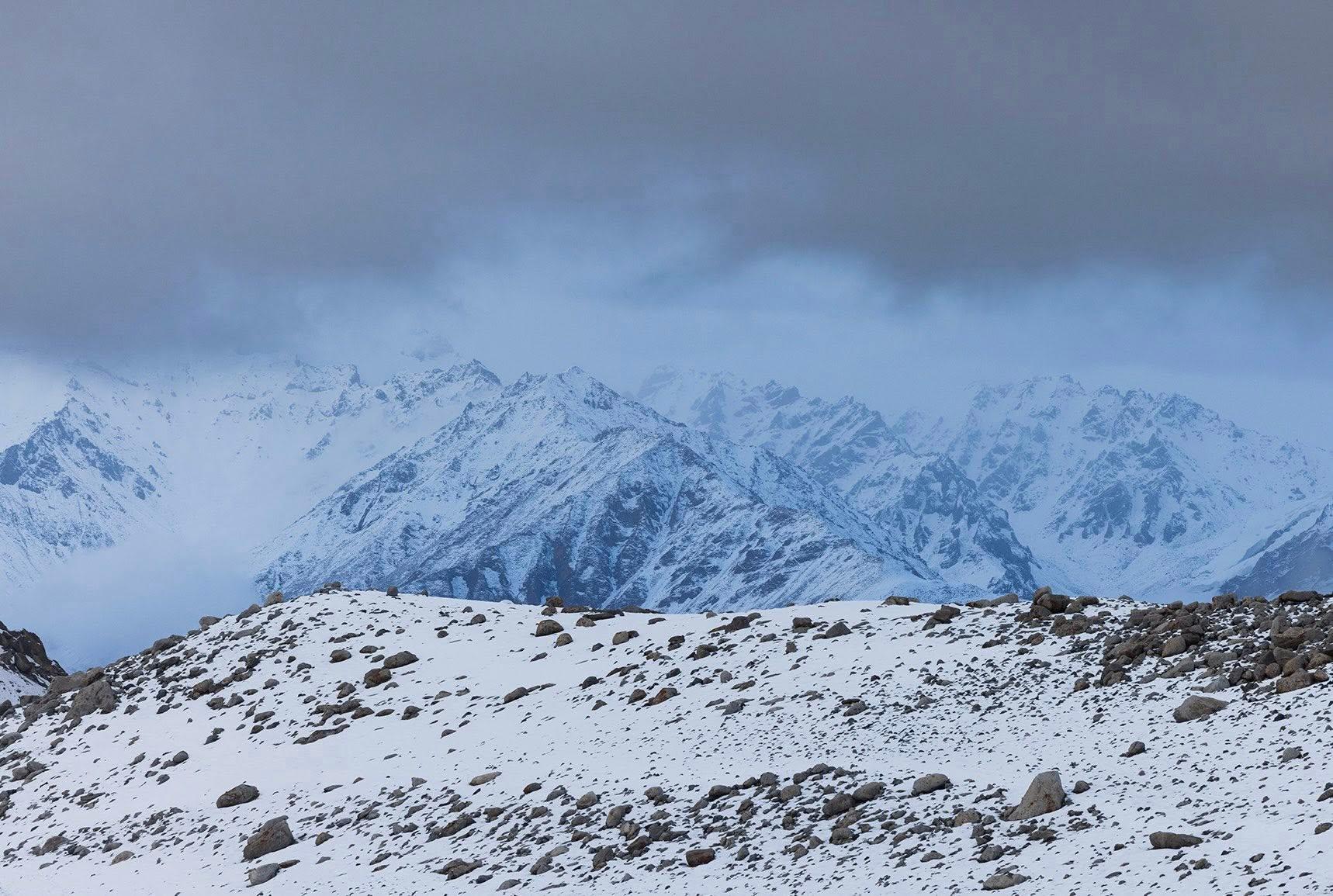
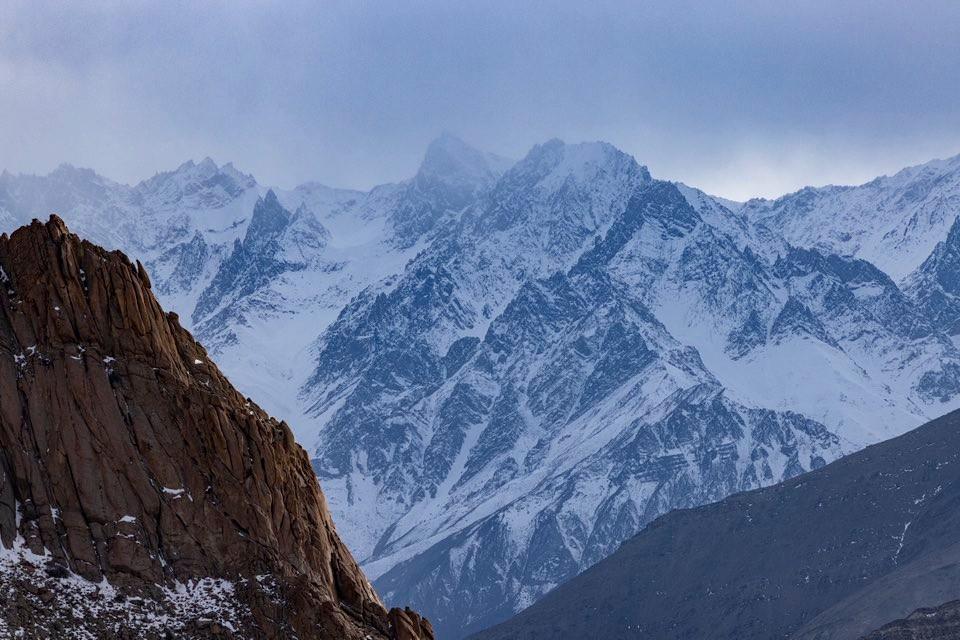
Vast mountain landscape in Ladakh where snow leopard tracking takes place

Scanning terrain like this is where most of your time is spent.

Where to go

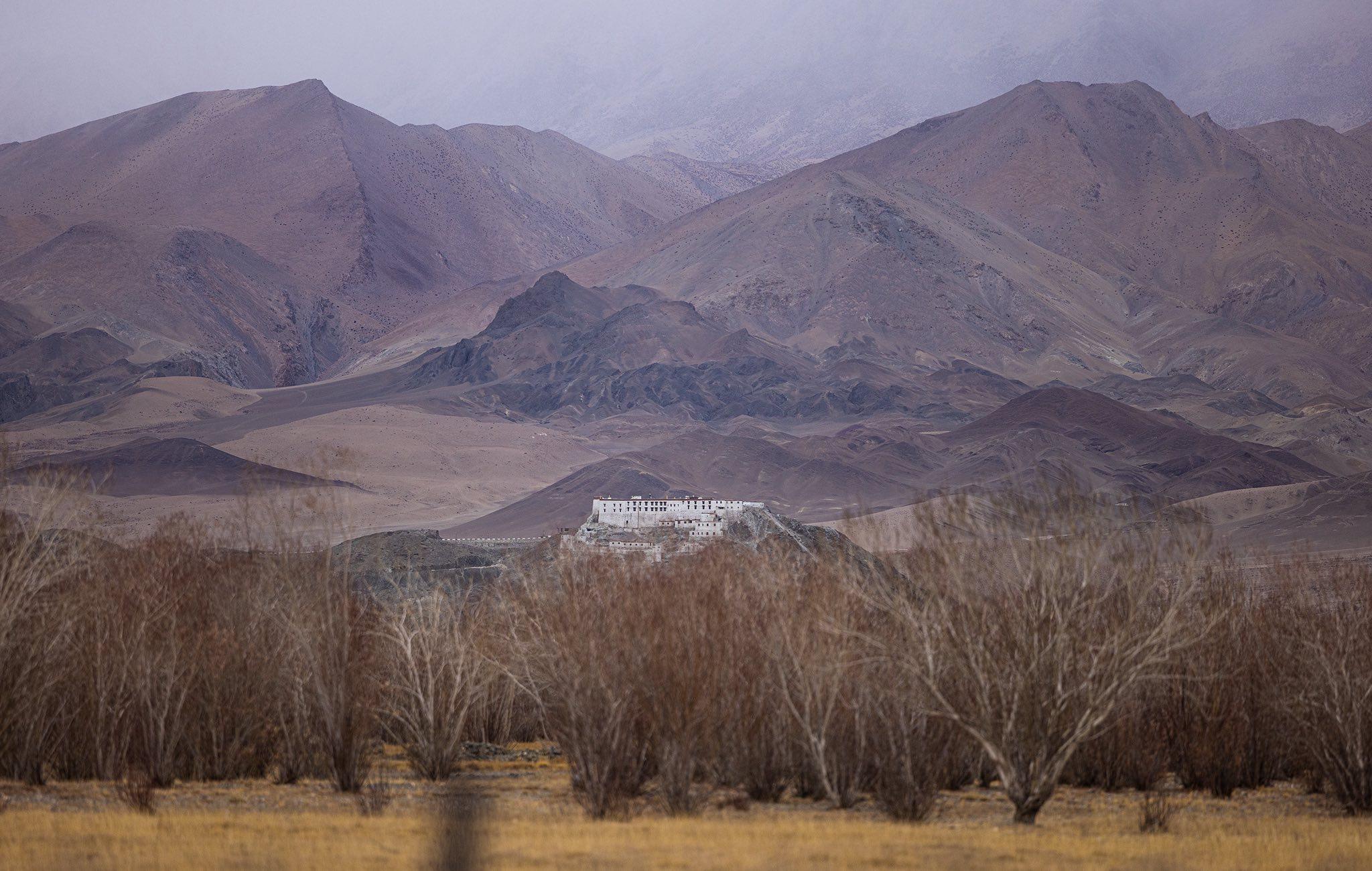
Ladakh is the main answer to the question of where to see snow leopards. It combines serious habitat, established tracking networks, and a winter safari model built specifically around snow leopard expeditions.

Hemis National Park is the best-known focal area. Many expeditions operate in valleys and village zones around Hemis where guides, local spotters, and winter field logistics are already in place.

Spiti in Himachal Pradesh is sometimes mentioned as an alternative. It can be rewarding, but Ladakh remains the stronger, better-established choice for most travelers booking a dedicated snow leopard safari.

For broader trip planning, you can also explore wildlife travel in India.

What a typical expedition looks like

Most snow leopard expeditions start with acclimatization in Leh, then move into a valley where local trackers and spotters are already following recent movement.

  • Early mornings usually begin with hot drinks, weather assessment, and a move to a scanning point.
  • Much of the day is spent glassing ridgelines and cliff bands with spotting scopes, often from fixed vantage points.
  • If fresh signs or a distant sighting come in, the team may reposition on foot to a better angle rather than chase the animal.
  • The guiding is collaborative: local spotters read the mountains, expedition leaders manage pace and logistics, and guests spend long periods observing quietly.

When it works, the moment can be brief and distant or surprisingly prolonged. Either way, it feels earned in a way that very few wildlife sightings do.

Best time for a snow leopard safari

January to March is the core snow leopard season. Winter pushes prey and predators lower, tracks hold better in fresh snow, and visibility across bare mountain slopes is usually stronger than in warmer months.

January and February often feel most severe, with the deepest winter conditions. March can still be very good while offering slightly easier temperatures and longer daylight.

If your main priority is maximizing the chance of a sighting, this winter window matters more than comfort.

Physical demands

Altitude

Expect time roughly between 3,000 and 4,500 metres. Acclimatization is not optional.

Cold

Temperatures are often well below freezing, especially around dawn and after sunset. Nights can be severe.

Trekking

The walking is usually moderate rather than technical, but uneven ground, thin air, and repeated climbs make it feel harder than the distance suggests.

If you want a comfortable, low-effort wildlife trip, start with a broader safari experience. Snow leopard trekking is for travelers who accept discomfort as part of the experience.

Types of experiences

Guided expeditions

The standard format for a snow leopard safari: small groups, local spotters, fixed winter timing, and a pace built around patient fieldwork rather than a packed itinerary. Most travelers join guided expeditions due to logistics, altitude, and the need for experienced local spotters.

Photography tours

More specialized departures that prioritize longer field days, fewer guests, and guide support aimed at optics, positioning, and image quality once a sighting happens.

Is it worth it?

It is for you if...

  • You care more about rarity and authenticity than comfort or volume of sightings.
  • You enjoy trekking, long observation sessions, and expedition-style travel.
  • Seeing one extraordinary animal would justify the effort of the whole trip.

It may not be for you if...

  • You want reliable wildlife action every day.
  • You struggle with cold, altitude, or long periods of waiting.
  • You would leave disappointed if the expedition ended without a sighting.

Cost

Basic trekking

Often ranges from USD 2,000 to 4,000 per person. Typically involves local operators, simpler accommodation, and larger groups with more variable logistics.

Standard expeditions

Usually fall between USD 4,000 and 7,000 per person, with smaller groups, more structured logistics, and experienced guides operating in known snow leopard areas.

Premium & specialist expeditions

Typically range from USD 7,000 to 15,000+ per person. These trips focus on small groups, stronger local tracking networks, more time in key valleys, and often include photography-focused guiding.

Higher-priced expeditions usually offer stronger local tracking networks, smaller groups, and more time in key valleys — all of which can meaningfully improve your chances.

Price is driven mainly by group size, length, domestic flights and road transfers, accommodation standard, heating and support staff, and how strong the local spotting network is. Compare inclusions carefully before booking.

Snow leopard expeditions and tours

Browse real departures, including guided expeditions and specialist snow leopard trekking itineraries with current pricing, dates, and operator details.

See all related snow leopard tours

Frequently asked questions

What are the chances of seeing a snow leopard?

How many days are needed?

Is it physically demanding?

Is it very cold?

Where is the best place to see snow leopards?

Plan Your Snow Leopard Expedition

If you want a wildlife trip defined by effort, rarity, and a real sense of expedition, start by comparing the snow leopard tours that fit your pace, budget, and winter window.