Photo by REP Kenya Safaris
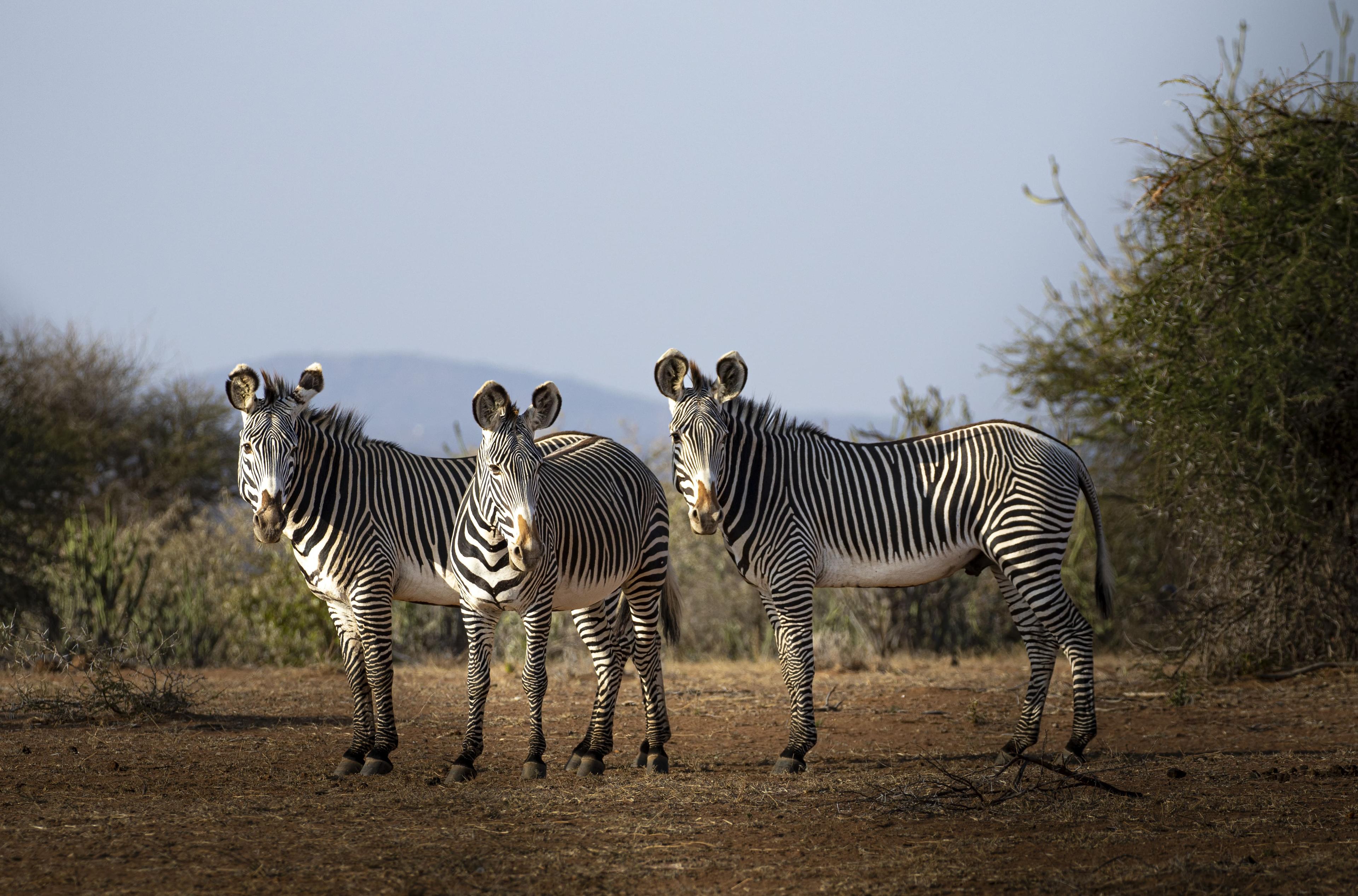
Grevy’s zebra
Narrower stripes, rounder ears and a white belly. Endangered, and now largely confined to northern Kenya and Ethiopia.

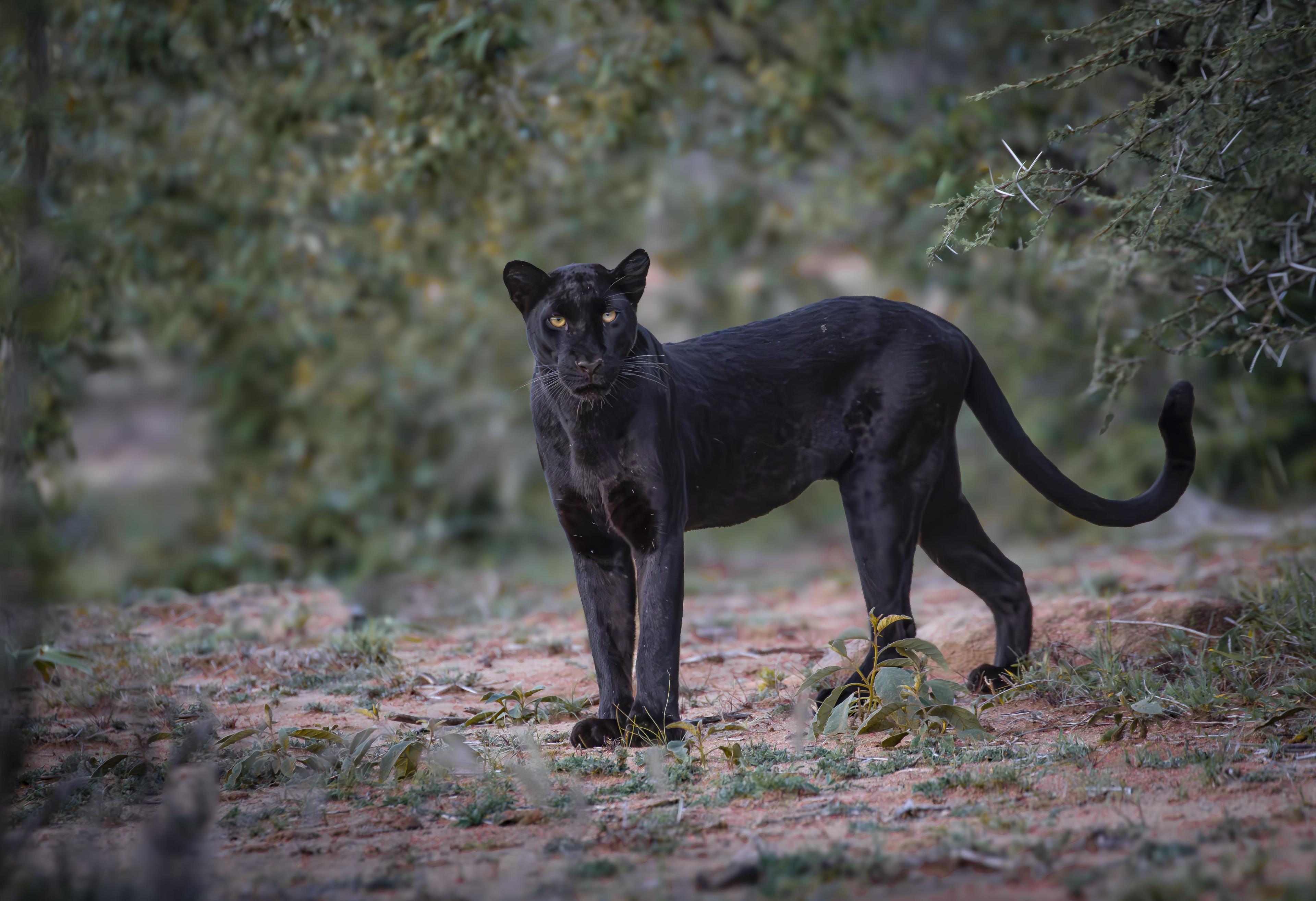
One of the world's rarest wildlife encounters, found in the private conservancies of Kenya's Laikipia region.
Photo by REP Kenya Safaris
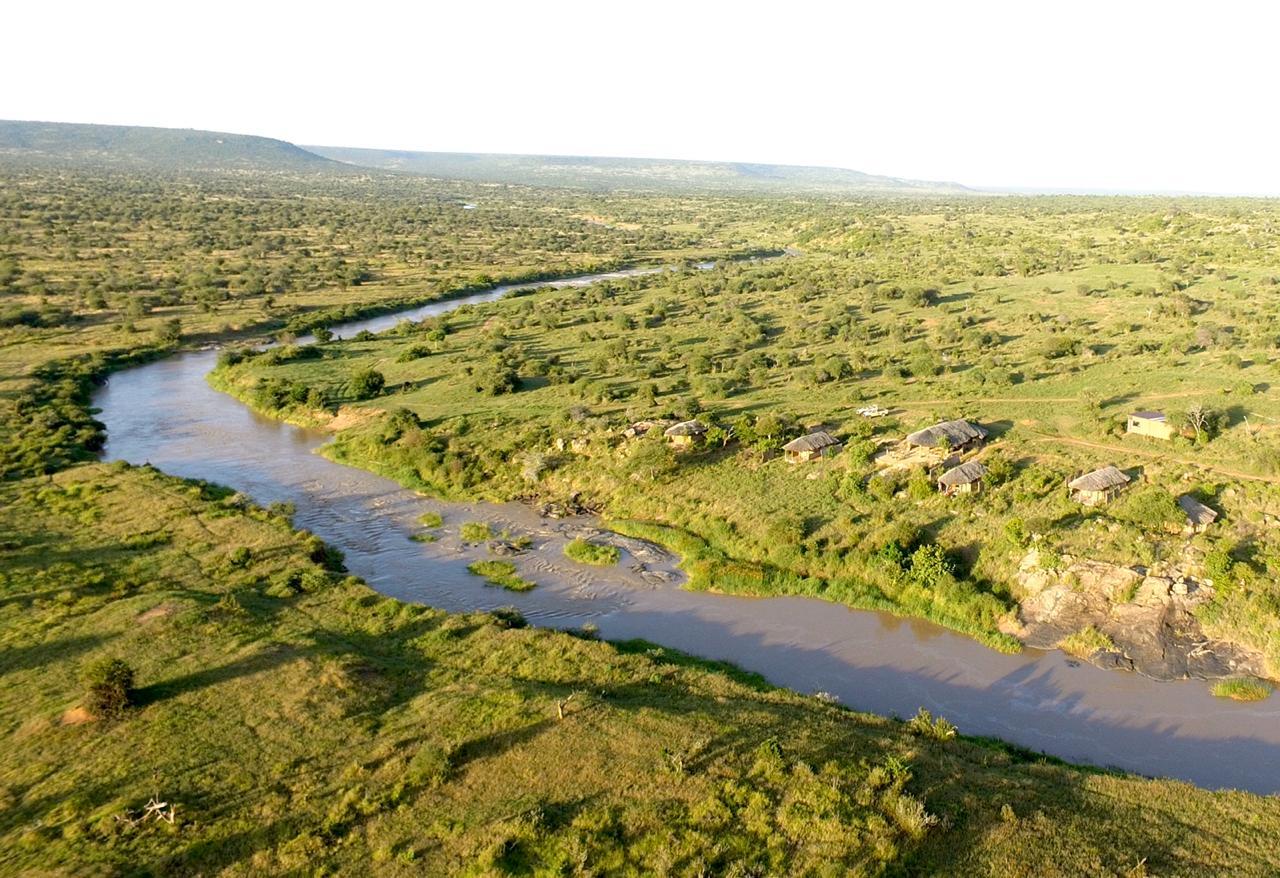
Laikipia is not a national park. It is a plateau of private and community conservancies north-west of Mount Kenya, most of it working land where cattle and wildlife share the same ground.
That ownership model is what changes the experience. Conservancies set their own rules, so a guide can leave the track to hold a sighting, drive on after dark when a leopard starts to move, and stay out past the fixed gate hours that govern Kenya's national parks.
A sighting here is watched by a handful of people rather than a queue, which keeps pressure off the animal, and gives photographers the room and time a crowded park cannot.
Private conservancies
Privately and communally owned land rather than a national park, with the rules set locally.
Fewer safari vehicles
Access limited to camp vehicles, with two or three out at a time is normal.
Expert local guides
Most have worked the same conservancies for years and know individual animals on sight.
Flexible game drives
Off-track driving, drives after dark, and no fixed gate hours to end the evening.
Compare carefully selected itineraries from trusted local operators and find the black leopard safari that best matches your travel style and photography goals.
Comfort: Mid-range

Destination: Kenya

Operated in: English

Duration: 6 days
Comfort: Mid-range
Destination: Kenya
Operated in: English and 4 more
Duration: 8 days
Starts from $3,500
 5.0 - 264 Reviews
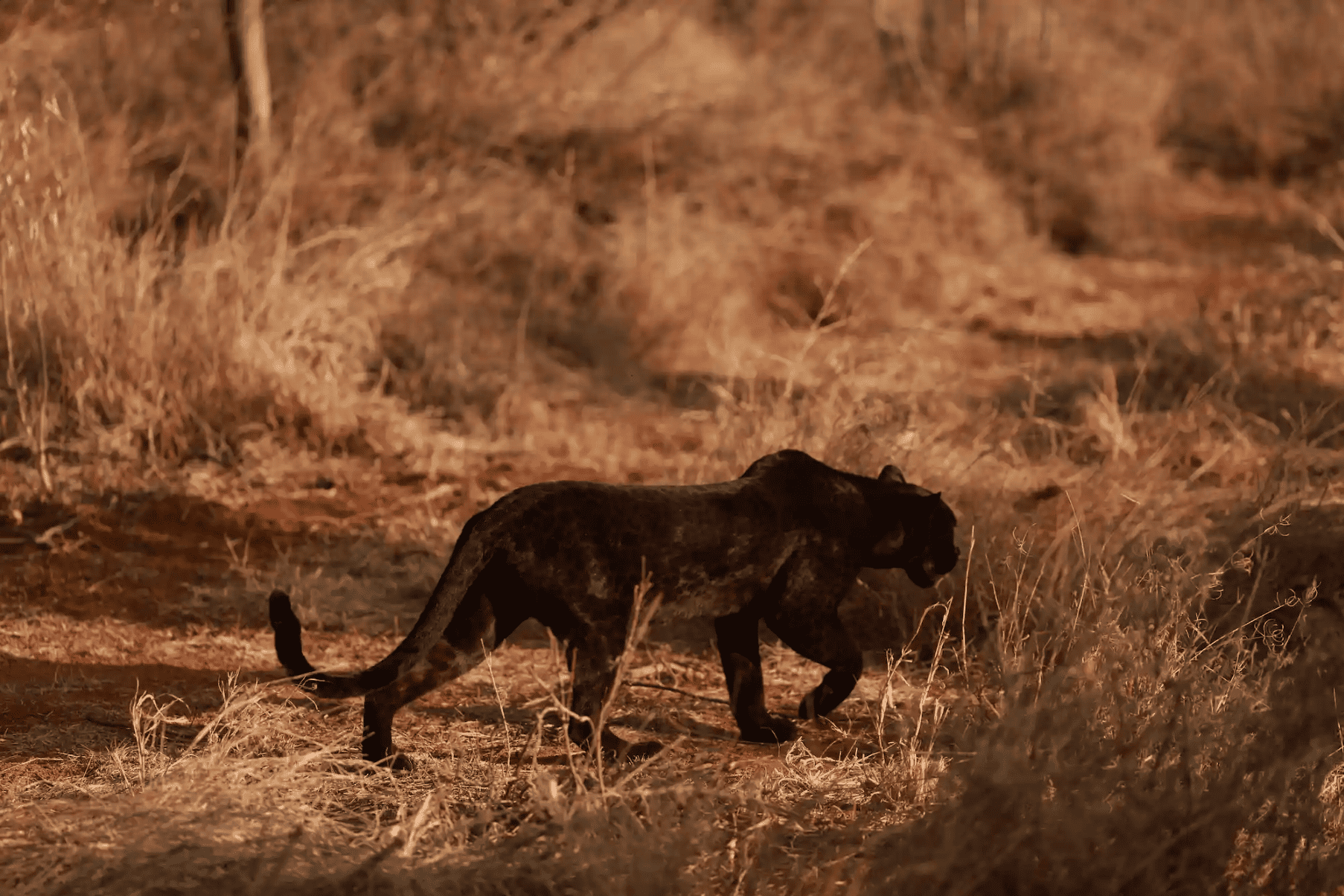
For most of the last century, the black leopards of East Africa existed mainly as second-hand accounts: a shape crossing a road at night, a frame from a camera trap, a story told at a campfire. Photographs of a living one, in daylight, were close to non-existent.
Giza is the reason that changed here. She was born near camp to a normal-coloured mother already relaxed around vehicles, and grew up treating them as part of the landscape. Habituation of that kind cannot be engineered. It happens once, or it does not.
As an adult she holds her line, passing within a few metres of a vehicle, sometimes directly beneath one, making eye contact without altering her course.
That is what made her internationally known, and what changed how the animal is photographed. A black leopard had been a subject for infrared triggers and luck. Giza made it possible to work one deliberately, to wait for the light, choose a position, and photograph her in the open.
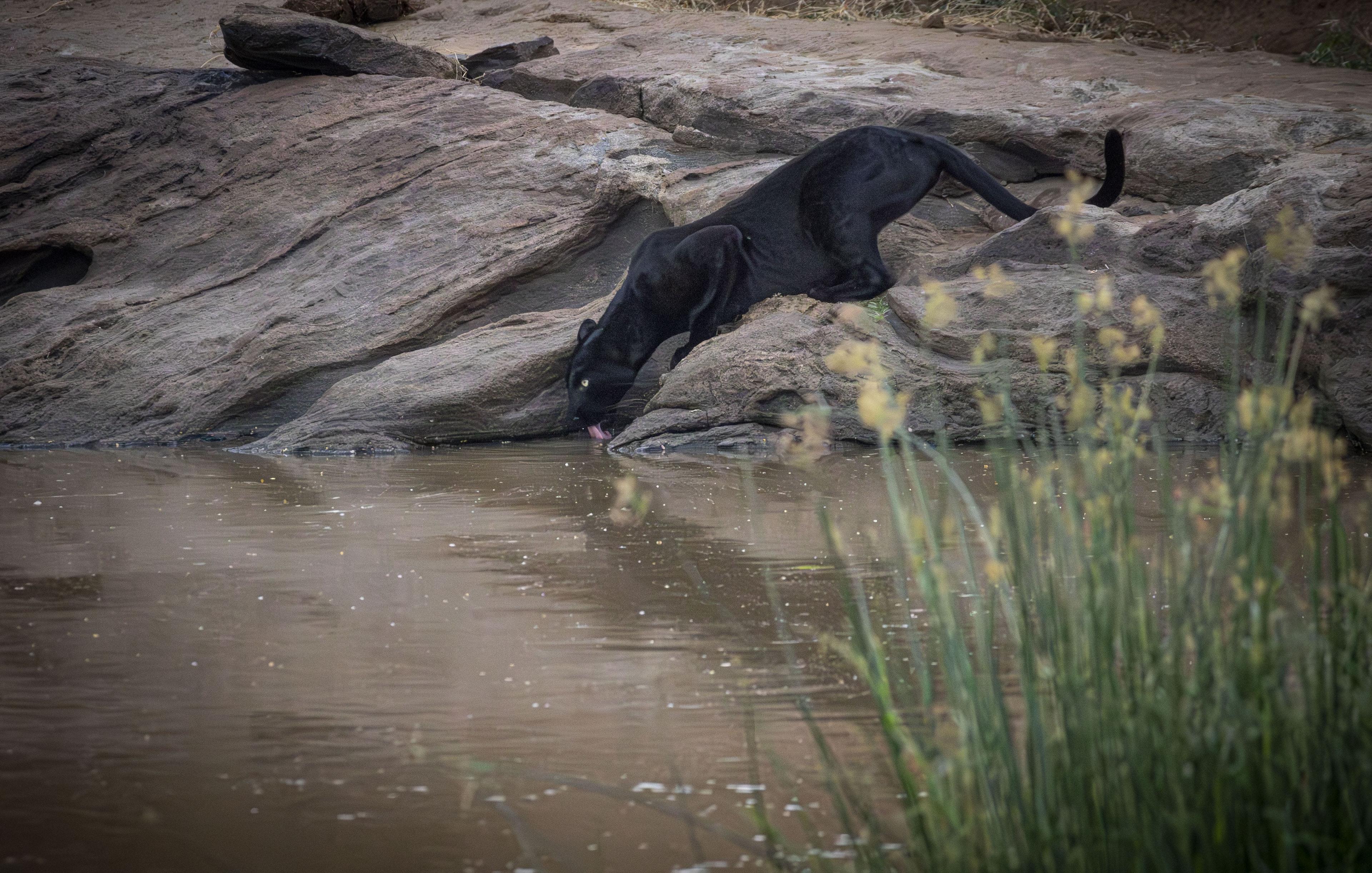
Photo by REP Kenya Safaris
How a sighting is handled matters as much as whether one happens. Robyn Preston of REP Kenya Safaris describes the protocol her team works to.
Giza was born to a normal coloured mother near the Laikipia camp and, from a very young age, became used to vehicles as her mother was also calm around them.
Now that Giza is an adult, she shows no fear of vehicles. During sightings, she may look at them, but her path is not altered. Sometimes she walks right past, sometimes even underneath, making eye contact with guests as she moves.
Only camp vehicles are permitted in this conservancy, and usually no more than three are present at a time. This controlled environment ensures she is never stressed or overwhelmed, unlike in busier parks.
Respect is always given to Giza first. If there is any sign of discomfort, the sighting is ended immediately. Night drives also end early, giving her uninterrupted time to hunt.
Robyn Preston, REP Kenya Safaris
No one can promise you a black leopard. Giza is a wild animal on a large conservancy, and some guests leave without seeing her.
What you can influence is how many chances you give yourself. Tracking is cumulative: guides read fresh sign each morning, follow up on where she moved overnight, and narrow the search over consecutive days. Most itineraries run two drives a day, so four or five days gives you eight to ten attempts across changing light, weather and ground.
That is the arithmetic behind the recommended length of stay: more time in the right place, not a better guarantee.
The leopard is why most people come, and she is seldom the only thing they remember. This is dry northern country, and it holds species that are scarce or absent in Kenya's southern parks, several of them threatened. The same drives that search for Giza put you among them.
Photo by REP Kenya Safaris
Narrower stripes, rounder ears and a white belly. Endangered, and now largely confined to northern Kenya and Ethiopia.
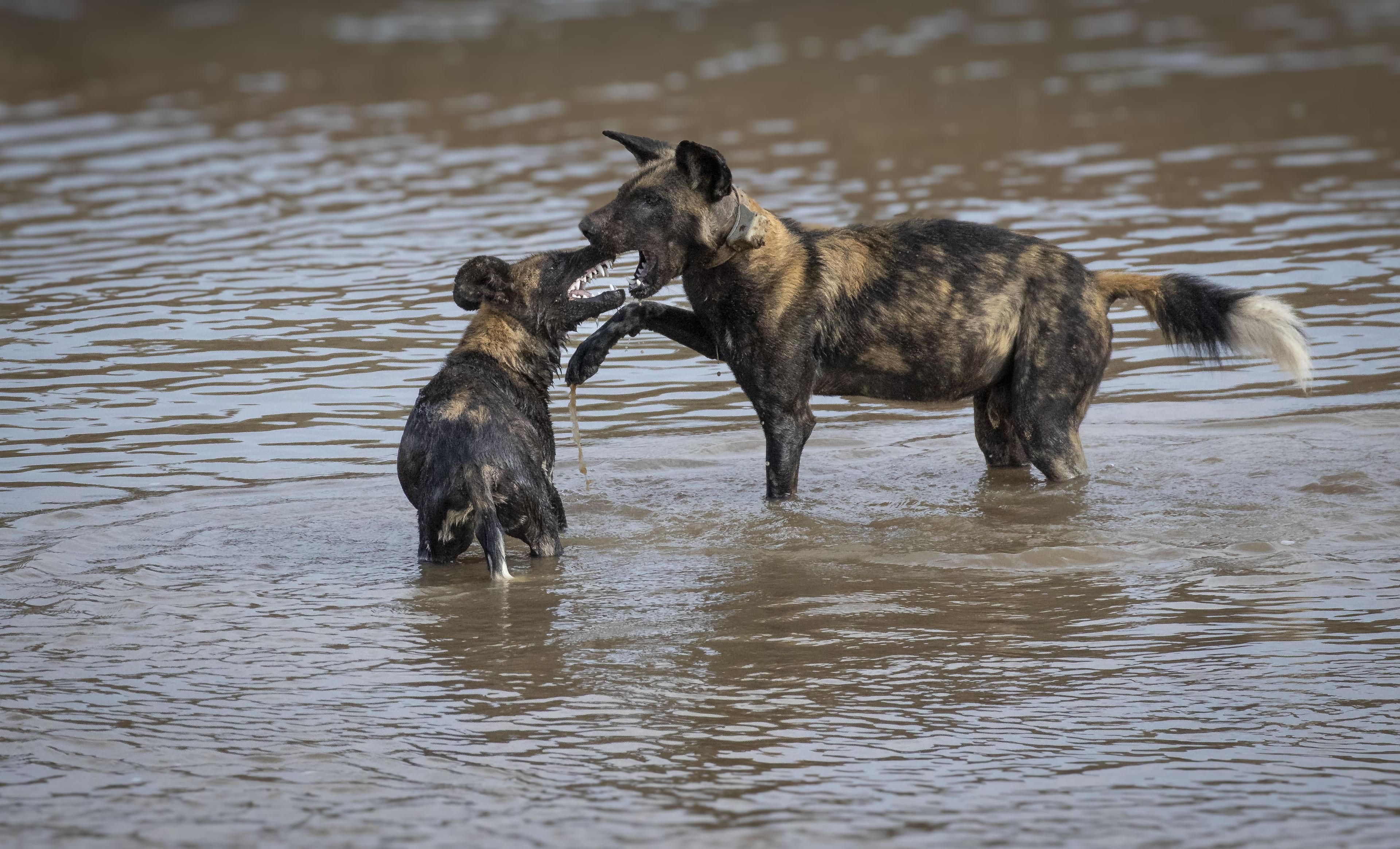
Photo by REP Kenya Safaris
Endangered, and almost never still. Packs range across distances no single property can contain, so finding them depends on where they are that week.
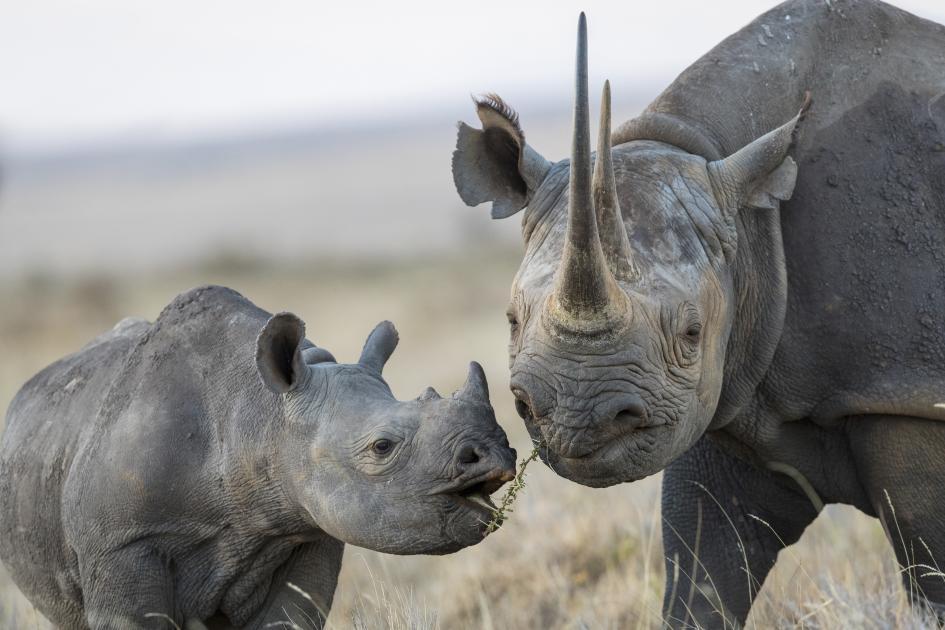
Critically endangered. The region’s rhino sanctuaries hold a meaningful share of Kenya’s population, which makes this one of the more dependable places to see one.
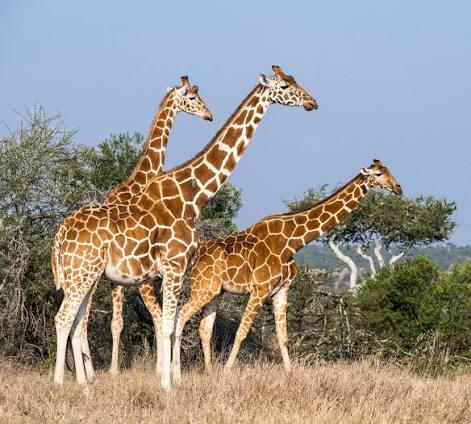
The sharp, cracked-earth coat pattern of Kenya’s north. Endangered, and largely absent from the southern parks where the Maasai giraffe dominates.
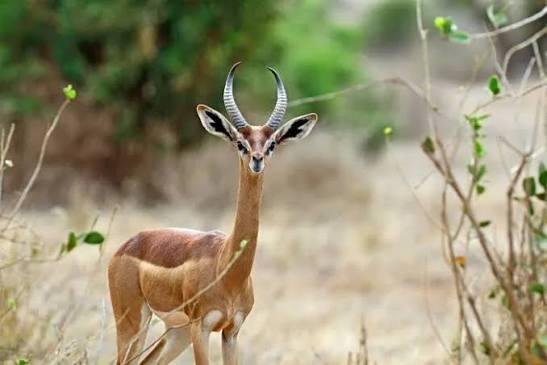
A long-necked antelope that stands upright on its hind legs to browse acacia. A dry-country specialist you will not see on the Mara.
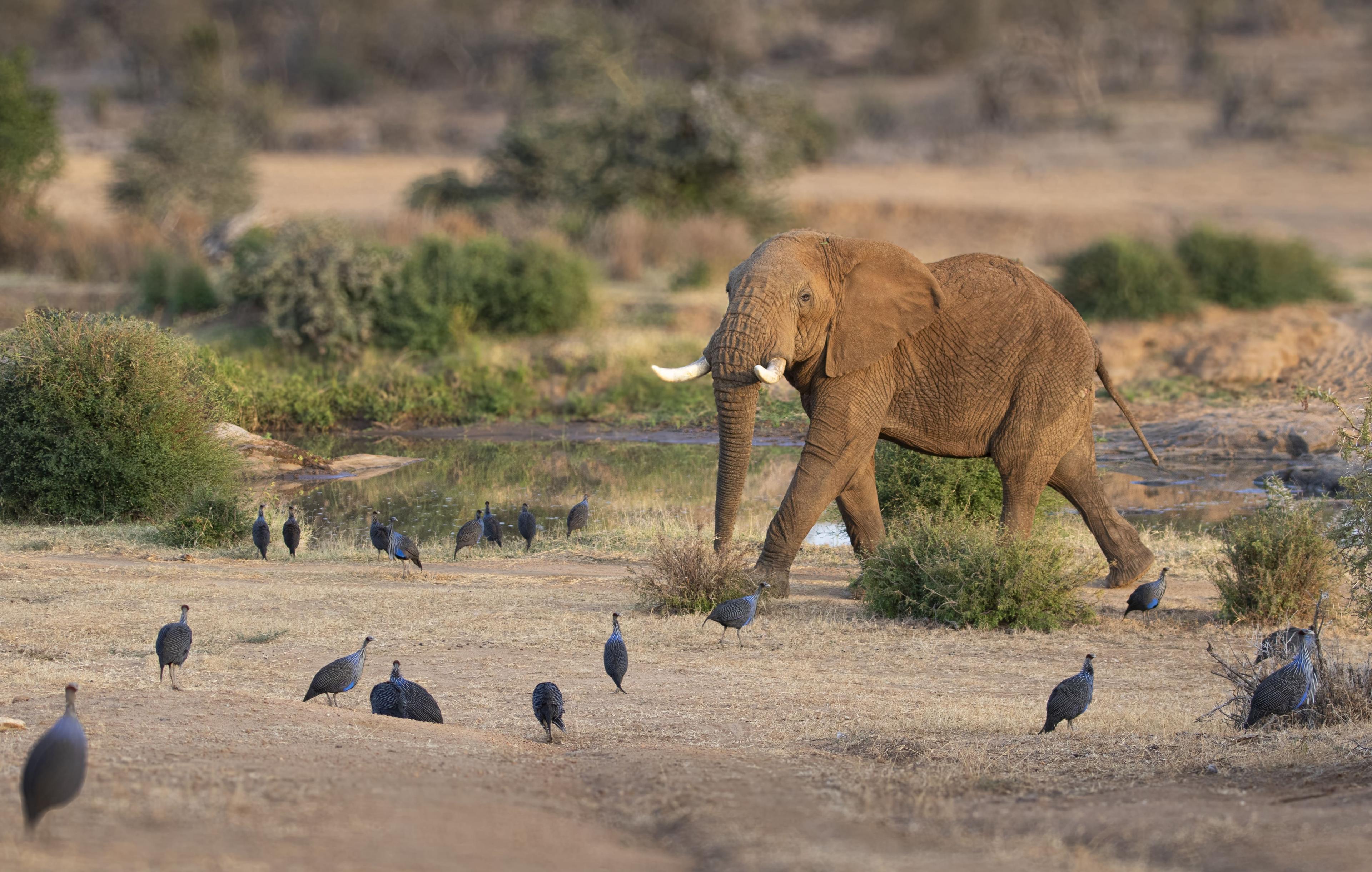
Photo by REP Kenya Safaris
One of Kenya’s largest elephant populations moves through here, crossing between conservancies along corridors that landowners have agreed to keep open.
A day is built around two drives: out before first light, back for a late breakfast, then out again in the afternoon and often on into the dark. The middle of the day is yours.
The tracking is the work. Guides read the previous night's prints on the roads, listen for alarm calls from baboons and impala, and share what they find across the conservancy by radio. A fresh track or a single call can redirect an entire drive.
That flexibility is the point, and it is why these itineraries run to several days rather than one or two. It also means the plan changes without warning. Travellers who want a fixed schedule are usually happier elsewhere.
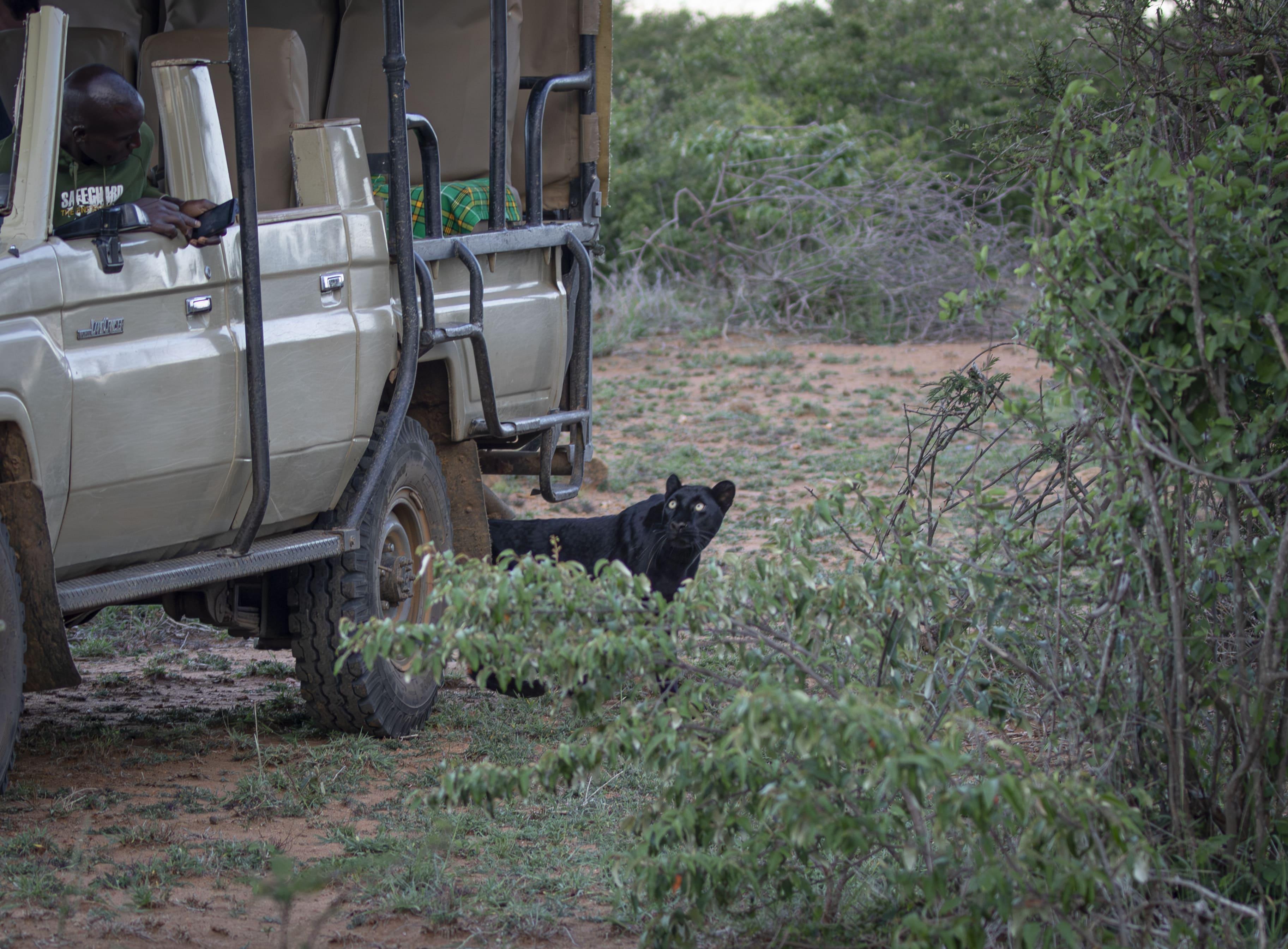
Photo by REP Kenya Safaris
The safari runs year-round. The drier months, broadly June to October and January to February, hold tracks better and thin out the bush, which is what tracking depends on.
The rains bring green country and fewer vehicles, at the cost of harder going underfoot. Animals move differently through the year, and guides shape the day around it.

Photo by REP Kenya Safaris
Photographing a black leopard is a lighting problem before anything else. A melanistic coat holds no detail in hard sun and vanishes into the background at dusk; the rosettes surface only in low, raking light or at close range.
That makes the first and last hour of the day the working window, and position everything. A guide who reads where she is heading places the vehicle for the light rather than the view, the clearest argument for a private vehicle.
The constraints protect the sighting: the vehicle does not cut her line, night drives end rather than follow her into a hunt, and the encounter closes when she decides it does.
A black leopard is an ordinary African leopard carrying a recessive gene for melanism, an overproduction of dark pigment. Nothing else about the animal differs.
The rosettes are still there, printed black on black, surfacing in low light or through an infrared lens.
"Black panther" is not a species, just a loose name for any melanistic big cat: leopards in Africa and Asia, jaguars in the Americas.
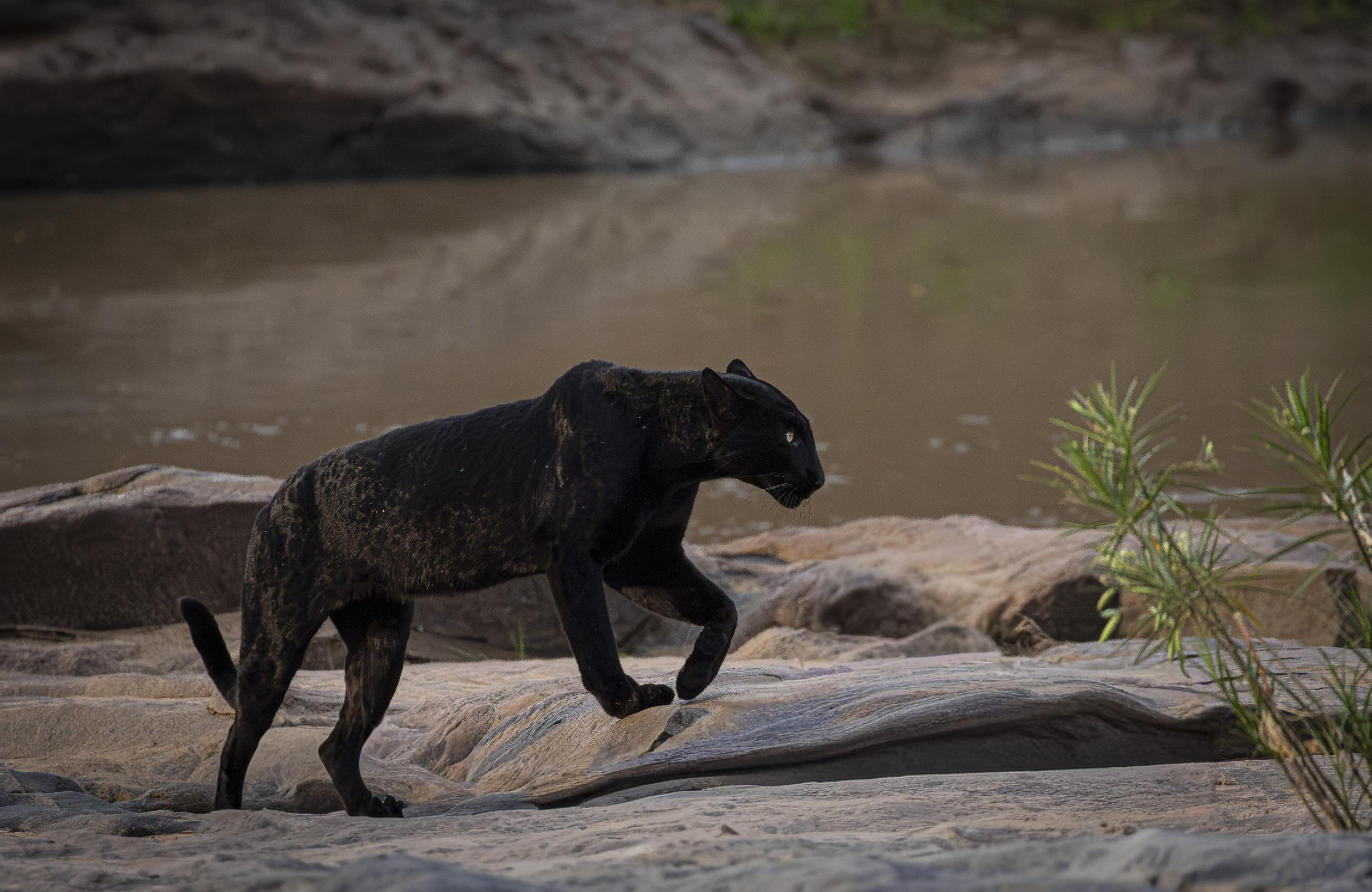
Photo by REP Kenya Safaris
The wildlife here survives on land that is privately and communally owned, much of it still working cattle country. There is no park boundary: predators, elephants and livestock occupy the same ground, and the arrangement holds only while it pays for itself.
Tourism is part of how it pays. Bed-night fees and conservancy levies fund rangers, rhino security, veterinary work and the community programmes that make living alongside wildlife workable for the people who do it.
None of that makes a safari an act of conservation. It does mean the model has a commercial basis, and that low-volume tourism is what the landscape was set up to absorb.
Most guests fly into Nairobi's Jomo Kenyatta International, then take a scheduled light aircraft from Wilson Airport to Nanyuki or a conservancy airstrip, under an hour in the air and roughly four by road.
Most of the tours listed above include airport transfers, though what is covered varies by itinerary. Check the listing before you book.
Four to five days is the working minimum, and few people travel this far for one animal alone. The region combines easily with the rest of a Kenya itinerary, or with a broader safari across East Africa.
A private vehicle is the upgrade worth arguing for. It costs more, and it buys the two things that decide a photograph: control over when you leave, and where the vehicle sits once you arrive.
Black leopard safaris sit in the mid-range to high-end bracket, depending on accommodation and guiding.
Like most specialist trips they are priced as packages, and the total moves with season, lodge tier, group size and what is bundled in: transfers, park and conservancy fees, private guiding.
Treat any headline price online as a starting point. Compare inclusions line by line, then ask the operator for a current quote before you book.
Explore available tours and plan a rare wildlife experience in Laikipia.