Best Tiger Safari in India: Park-by-Park Guide (2026–27)
· FaunaExplore

Photo: The Bridge Tours
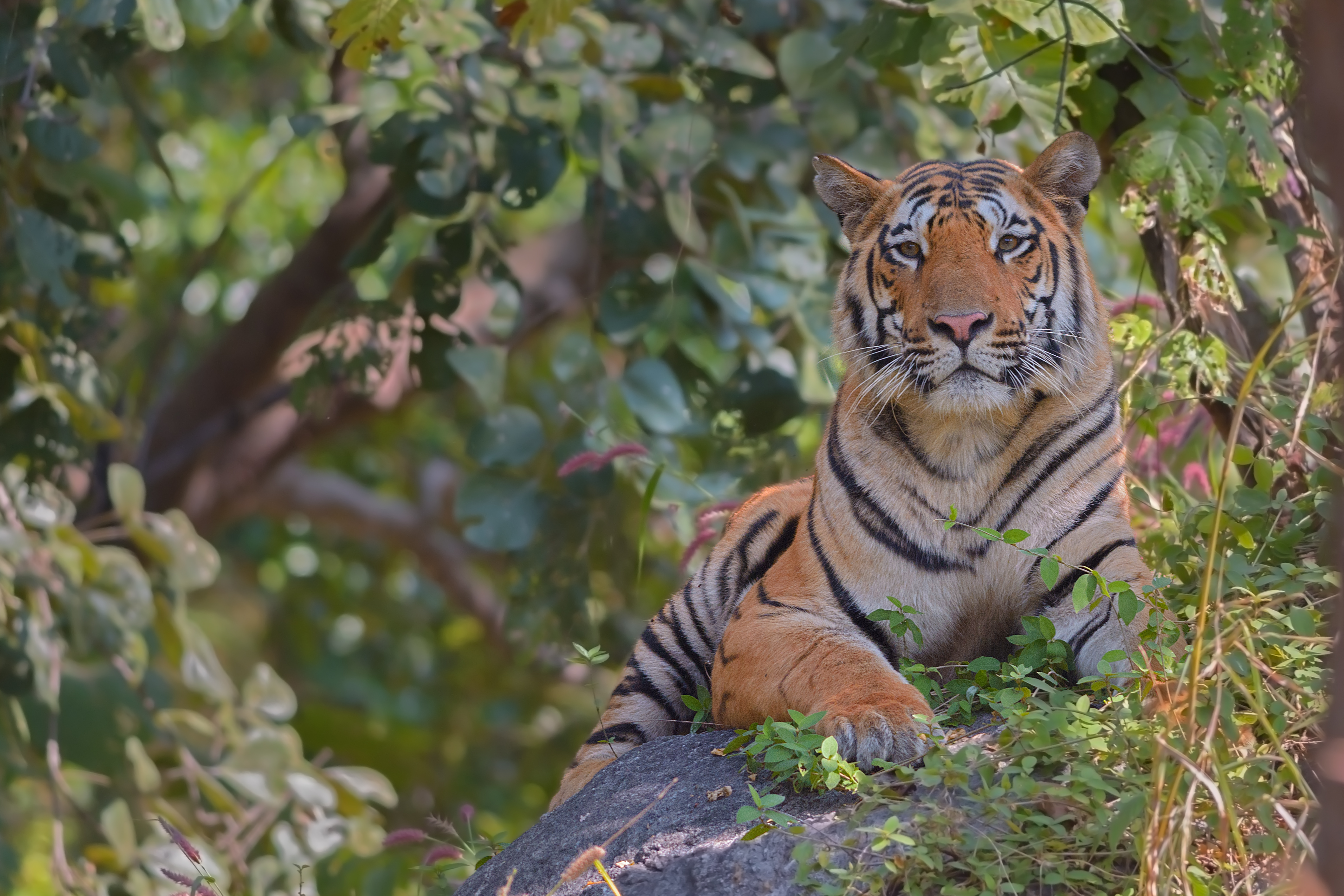
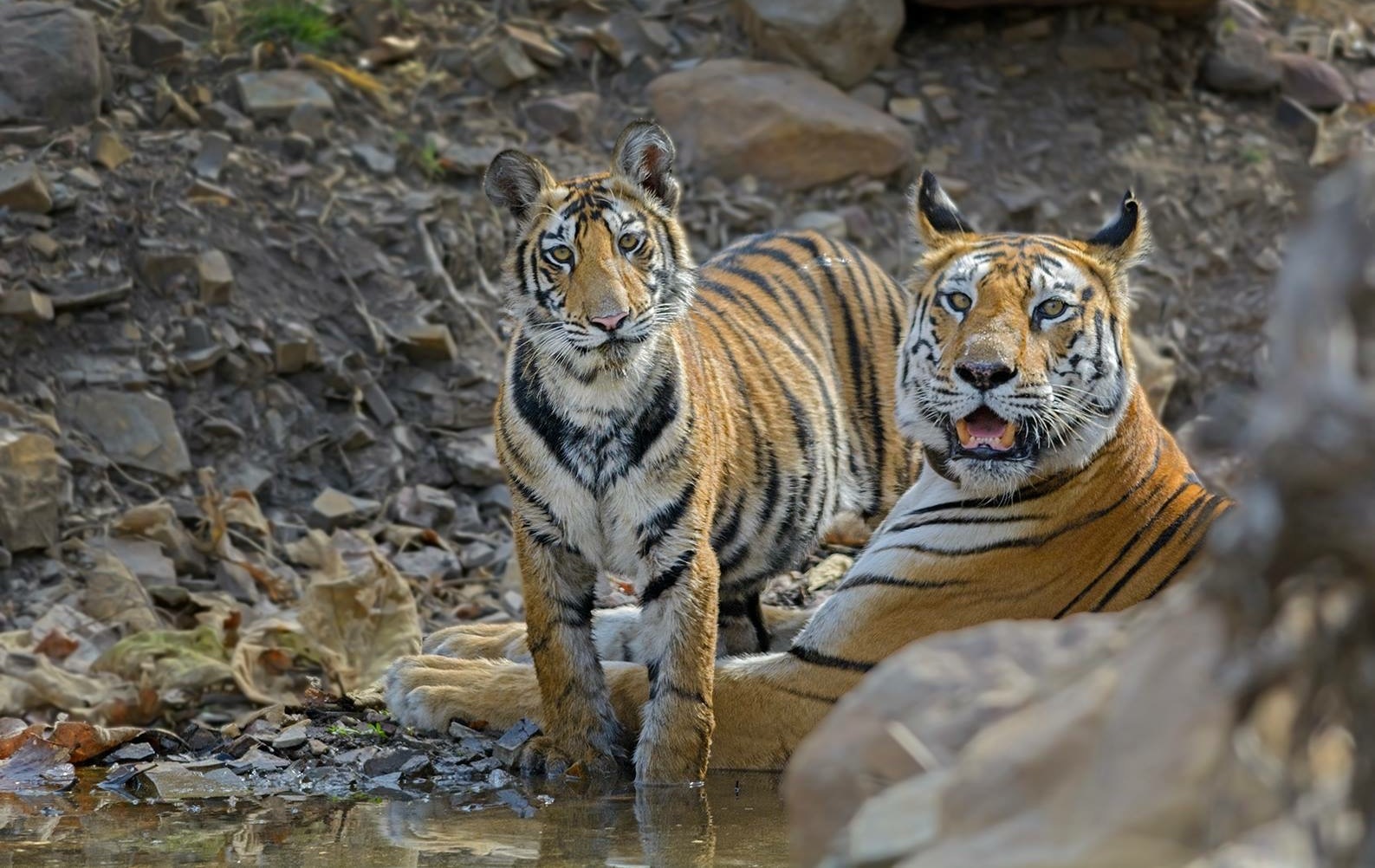
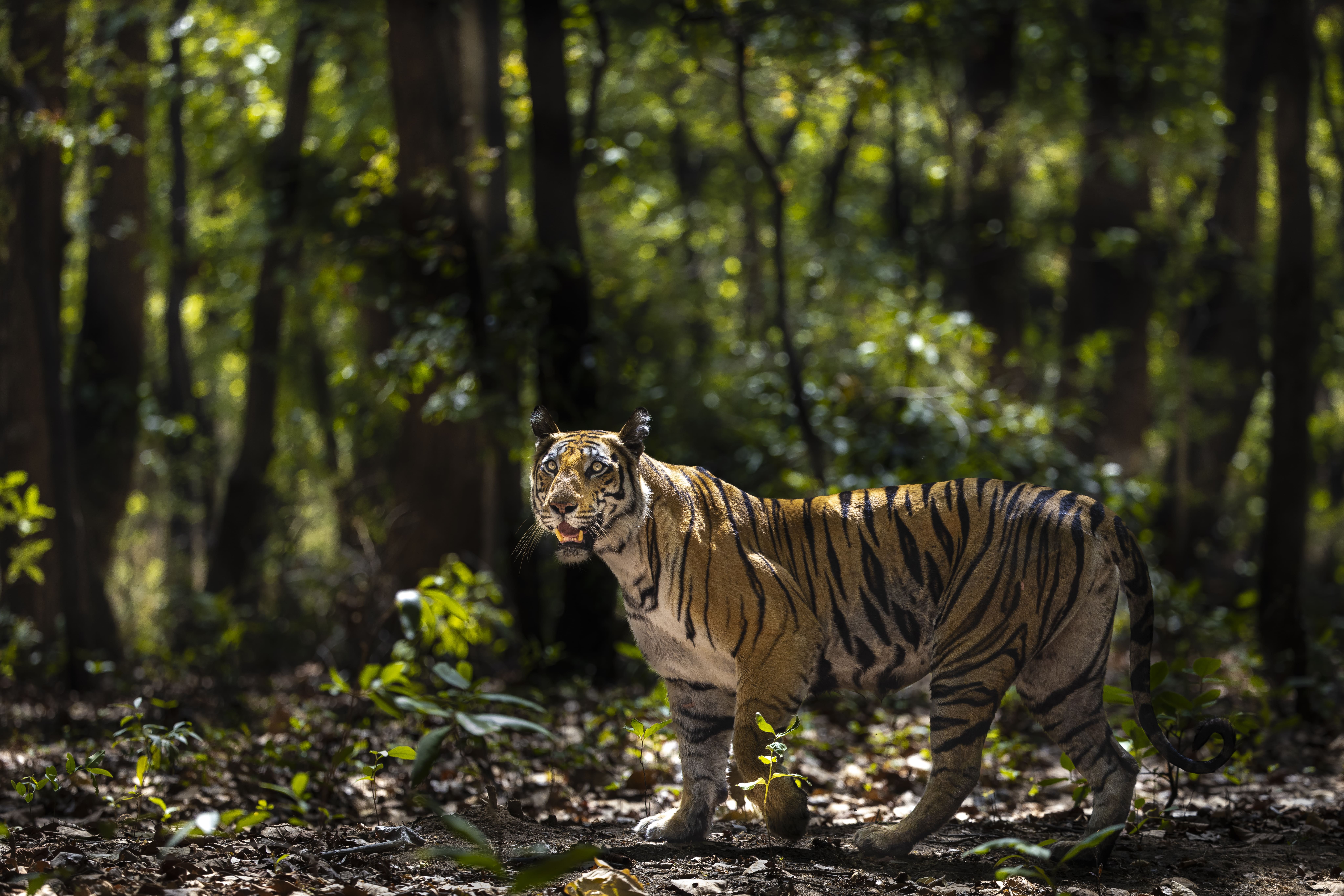
When you search for the best tiger safari in India, you’ll find lists that rank parks the way you'd rank hotels: one winner and a few runners-up. But experienced travellers don't choose that way. They pick the park that fits what they want from the trip. That might be the best odds, the best light, fewer jeeps, or something a jeep can't give them at all.
This guide compares the five central Indian reserves our operator partners know best. For each park it covers sighting reliability, landscape and photography, the zone and permit system, best months, crowd levels, and which FaunaExplore tours go there. If you're new to tiger safaris and want the basics first (what a drive looks like, how many days to plan, rough costs), start with our tiger safari overview and come back here once you're choosing between parks.
The short answer: which park fits which traveller
| Park | Best for | Tiger sighting reliability | Crowds | Signature extra |
|---|---|---|---|---|
| Bandhavgarh | First-timers who want the best odds | Very high | High in Tala zone | Fort, cliffs, famous tiger lineages |
| Kanha | All-round wildlife and landscape | High | Moderate | Barasingha, open meadows, misty mornings |
| Pench | A relaxed pace and a strong supporting cast | Good | Moderate | Leopards, wild dogs, riverine teak forest |
| Tadoba | Strong sightings with a different feel | Very high | High on weekends | Bamboo forest, lakes, sloth bears |
| Satpura | Walking safaris and a true wilderness feel | Occasional (tigers are a bonus here) | Low | Walking, canoeing, sloth bears, leopards |
And if you only take one thing from this table:
- Choose Bandhavgarh or Tadoba if the tiger is the whole point.
- Choose Kanha if you want the best overall safari. Add Satpura as a second park for everything a jeep can’t offer.
First, understand zones and permits
Before comparing parks, you need to know how access works. In practice, your zone matters almost as much as your park, and this is something most guides skip.
Core vs buffer zones
Every Indian tiger reserve has a core zone, the protected heart of the park with the highest tiger density and the strictest rules. Around it is a buffer zone, where forest meets villages and farmland. Tigers use both, but the core is where most classic sightings happen, and it's where the famous park names come from.
That said, buffer zones aren't a consolation prize. Some buffer areas, particularly around Bandhavgarh and Tadoba, have resident tigers and produce excellent sightings with far fewer vehicles. They also tend to have more flexible rules, and some allow night drives or nature walks that the core never permits.
Why zone choice matters
Each park is divided into several tourism zones. You don't roam the park freely: your permit is for one zone, one session (morning or afternoon), in one vehicle. If a tigress is showing well in a zone you don't have a permit for, you can't drive over to see her.
So tour design matters. A good itinerary spreads permits across several zones and sessions, and experienced operators book the zones where they know tigers are currently active, not just the ones with the most famous names.
How permits work
Permits are issued online by each state forest department, and the booking windows are strict. Madhya Pradesh (Bandhavgarh, Kanha, Pench, Satpura) releases permits about 120 days ahead, and the most popular zones for peak dates can sell out almost as soon as they open.
That's why your safari dates should be fixed before the rest of your India plans. When you book a tour, the operator handles permits for you, and this is one of the main reasons booking early pays off.
Closures to plan around
- Monsoon: core zones close roughly July through September and reopen in October. Maharashtra's core zones, including Tadoba, closed a little earlier in 2026, from mid-June. Many buffer zones stay open through the monsoon.
- Weekly closures: Madhya Pradesh core zones don't run afternoon safaris on Wednesdays. Tadoba's core gates close on Tuesdays.
- Festivals: some parks close entirely on Holi and Diwali.
Good itineraries plan around these days, often by scheduling a buffer-zone drive or a travel day during the closed session.
Bandhavgarh National Park
At a glance:
- Very high reliability
- Dramatic hills and cliffs
- Busy core
- Best Feb–May
Sighting reliability
Bandhavgarh is the park most people mean when they talk about the best place to see tigers in India. Its tourism zones sit inside one of the densest tiger populations in the country, and the park has produced generations of famous individual tigers.
Legend Safaris, whose Bandhavgarh photography is featured on our site, notes that it's in this forest that “prominent tigers were born and have lived”. Those lineages matter. Many tigers here are used to vehicles, which leads to long, relaxed sightings rather than a flash of stripes crossing the track.
Landscape and photography
Bandhavgarh is compact and dramatic. A sandstone plateau topped by an ancient fort rises over sal forest, bamboo slopes and small grassy meadows. The light on the cliffs at dawn is lovely, and there are shots here you can't get elsewhere, such as tigers on rocky outcrops or passing old stone shrines. The trade-off is that the forest can be dense in places, so sightings are often at close range along tracks rather than across open ground.
Zones and permits
Bandhavgarh has three core zones:
- Tala is the most famous and the most in demand.
- Magadhi often matches it for sightings.
- Khitauli is quieter and underrated.
Buffer zones such as Panpatha, Dhamokhar and Johila add flexibility and can be very productive.
Best months
Bandhavgarh is open from October to June. February through May is peak for sightings: water gets scarce, vegetation thins, and tigers stay near waterholes. November to January is cooler and greener, with good sightings but more cover. Late April through June is very hot, but it can produce the best sightings of the year.
Crowds
Bandhavgarh is popular, and Tala in peak season can feel busy at a sighting. Spreading permits across Magadhi, Khitauli and the buffer is the simplest way to avoid that.
FaunaExplore tours covering Bandhavgarh
- Bandhavgarh & Kanha Tiger Safari (7 Days): mid-range, from $2,950. Our most direct first-timer itinerary.
- 12-Day Walking Tiger Safari in Satpura and Bandhavgarh: luxury, from $4,200. Pairs the best odds with walking safaris.
Kanha National Park
At a glance:
- High reliability
- Open meadows and sal forest
- Large and varied
- Best Nov–May
Sighting reliability
Kanha has a large, healthy tiger population, and sightings are very good by any standard. Tigers can be a little more spread out than in Bandhavgarh because the park is so much bigger, so it helps to plan a few more drives. The payoff is that Kanha delivers more than tigers.
Many naturalists call it the best all-round wildlife park in India.
“Kanha is one of the most beautiful parks in Central India. Huge grasslands bordered by sal forest create an absolutely dramatic scene, especially when there’s a tiger in sight.”
- Kanha-based naturalist, FaunaExplore partner operator
Landscape and photography
This is the landscape that inspired The Jungle Book: tall sal forest opening onto wide grassy meadows (maidans), with bamboo on the slopes. For photographers, Kanha offers something Bandhavgarh can't: tigers in open ground, with space to show the animal in its habitat. Winter mornings bring mist over the meadows, which makes for some of the most atmospheric images in India.
Kanha is also the only place in the world to see the hard-ground barasingha (swamp deer). It was brought back from near-extinction here and is one of India's great conservation successes. Leopards, dholes (wild dogs), gaur, sloth bears and excellent birdlife round out the picture.
Zones and permits
Kanha's core has four zones:
- Kanha zone has the classic meadows and the heaviest demand.
- Mukki and Kisli are consistently strong.
- Sarhi is quieter.
Kanha's buffer zones stay accessible for parts of the monsoon.
Best months
Kanha is open from October to June. November to February is best for mist, light and comfort. March to May is best for sightings as the meadows dry out. The park is enjoyable in every open month.
Crowds
Crowds are moderate, and lighter than Kanha’s fame suggests. Kanha’s four core zones each have their own character, and the park allows few jeeps relative to its size. As one of our partner naturalists in Kanha puts it, “you’ll likely experience a less crowded sighting compared to some other parks.”
Bandhavgarh vs Kanha: which should you choose?
This is the question we’re asked most often, and the honest answer from naturalists on the ground is that it depends on the season.
Both parks share the same tropical moist deciduous forest, and both are proven big-cat hotspots. Bandhavgarh concentrates most safaris in its three core zones, and its documentary fame draws more visitors. Kanha spreads vehicles across four larger zones and adds open meadows and the barasingha.
“Every national park goes through cycles of low and high sightings. Which park to visit should depend on what it’s offering at the moment, especially in terms of tigers.”
- Kanha-based naturalist, FaunaExplore partner operator
Tell us your dates, and our operators will recommend the park that’s performing best that season. If you have the time, doing both is the best option.
FaunaExplore tours covering Kanha
- Bandhavgarh & Kanha Tiger Safari (7 Days): mid-range, from $2,950
- Big Cat Marathon: 8-Day Kanha & Pench Tiger Safari: luxury, from $4,220
- Tiger Trail India: 8-Day Safari Across Kanha, Pench & Tadoba: luxury, from $3,850
- 11-Day Central India Tiger Safari: Kanha, Pench & Tadoba: luxury, from $5,245
Pench National Park
At a glance:
- Good reliability
- Teak forest and river
- Moderate crowds
- Best Feb–May
Sighting reliability
Pench is known for its supporting cast. Tiger sightings are good and have become more consistent in recent years, though they aren't quite as dependable as in Bandhavgarh or Tadoba. Where Pench beats almost anywhere else is leopards and dholes. Packs of wild dogs hunting along the riverbeds are one of the great sights of central India.
“We were watching a pack of six wild dogs playing on the forest floor when a jackal came towards them. Four of the dogs took an attack stance and charged, then stopped inches away from him. After a standoff, the jackal started moving and the wild dogs followed him as if they were friends. I had never seen coexistence like that. It’s one of my favourite sightings from Pench.”
- Pench-based naturalist, FaunaExplore partner operator
Landscape and photography
Pench is open teak and mixed forest cut by the Pench River, which forms the border between Madhya Pradesh and Maharashtra. The forest is less dense than Kanha's or Bandhavgarh's, so visibility is good in the dry months, and the river and reservoir edges give clean backgrounds. It's a pleasant park to photograph, with golden, open woodland from February onward.
Pench rewards patience with small dramas too. One of our partner naturalists recalls a monitor lizard climbing into a parakeet nest while the parakeets took turns biting its tail to drive it out, “something you don’t see every day.”
Zones and permits
Pench is split across two states, each with its own permit system. On the Madhya Pradesh side, Turia is the main and most productive zone, with Karmajhiri and Jamtara as quieter alternatives. The Maharashtra side (Sillari, Khursapar and others) is booked separately and gets far fewer foreign visitors. This split works in your favour because an experienced operator can play both sides to find the best current zone.
Best months
Pench is open October to June, with the best sightings from February to May.
Crowds
Moderate. Pench is well known but gets less attention than Bandhavgarh and Kanha, and it feels calmer.
FaunaExplore tours covering Pench
- 8-Day Tiger Tracking Safari: Pench & Tadoba: luxury, from $4,220
- Big Cat Marathon: 8-Day Kanha & Pench: luxury, from $4,220
- Tiger Trail India: Kanha, Pench & Tadoba: luxury, from $3,850
- 11-Day Central India Tiger Safari: luxury, from $5,245
Tadoba National Park
At a glance:
- Very high reliability
- Bamboo, lakes and dry forest
- Busy on weekends
- Best Mar–May
Sighting reliability
A Tadoba tiger safari now rivals Bandhavgarh for sighting reliability, and part of the reason is access. As one of our partner naturalists explains:
“Tadoba is reliable because of the number of safari gates open for tourism: 5 core gates and 18 buffer gates. With 23 gates, there’s news of tiger sightings from somewhere almost every day. There’s no guarantee, but if you do 2–3 safaris and stick to one particular area, it will increase your chances.”
Tigers here are numerous, active and often seen by day around the park’s lakes and waterholes. Tadoba also has a reputation for sloth bears and is increasingly good for leopards.
Landscape and photography
Tadoba is drier and more open than the Madhya Pradesh parks, with bamboo thickets, teak, and large water bodies such as Tadoba Lake and the Irai Reservoir. In the hot months, tigers cooling off in waterholes are a signature Tadoba image. The light is harsh at midday but beautiful early and late.
Zones and permits
Tadoba has five core gates, Moharli being the best known, plus around 18 buffer gates. Alizanza, Agarzari and Devada-Adegaon are among the buffer gates that regularly produce tiger sightings.
Best months
Tadoba is open October to June, with peak sightings from March to May. It gets very hot in April and May, often well above 40°C, so this is for travellers who put sightings ahead of comfort. November to February is more comfortable, with slightly lower odds.
Crowds
Tadoba is close to Nagpur and popular with Indian travellers, so weekends and holidays get busy at the famous gates. Weekday drives and buffer gates are much calmer.
FaunaExplore tours covering Tadoba
- 8-Day Tiger Tracking Safari: Pench & Tadoba: luxury, from $4,220
- Tiger Trail India: Kanha, Pench & Tadoba: luxury, from $3,850
- 11-Day Central India Tiger Safari: luxury, from $5,245
Satpura National Park
At a glance:
- Tigers are a rare bonus
- Gorges, hills and reservoir
- Very quiet
- Best Nov–Apr
What makes Satpura different
Satpura offers something almost no other Indian tiger reserve does: you can explore it on foot. Guided walking safaris, led by a naturalist and a forest guard, are allowed in designated areas of the reserve. Add canoe and boat trips on the Denwa River and Tawa Reservoir, night drives in the buffer, and some of the least crowded forest in central India, and you get a completely different kind of safari.
A Satpura walking safari is about tracks, scat, bird calls and the small details you never notice from a jeep. It also carries a real sense of being inside the landscape rather than driving through it.
Sighting reliability
Tigers do live in Satpura, but they're shyer and harder to find than in the parks above, so we'd treat a Satpura tiger as a lovely surprise rather than an expectation. Satpura is excellent for other species: sloth bears and leopards are its standout sightings, alongside gaur, giant squirrels, crocodiles, dholes and over 300 bird species. That's why we pair it with a high-reliability tiger park.
Bandhavgarh supplies the tigers, and Satpura supplies everything else.
Landscape and photography
Satpura is the most scenic of the five: red sandstone cliffs, deep gorges, hill forest rising toward the Pachmarhi plateau, and the Denwa River with its sandbanks and birdlife. It's ideal for landscape and wide environmental wildlife shots, and for anyone who wants photographs that don't look like every other safari album.
Zones and permits
Most visits enter through the Madhai gate, where you cross the Denwa River by boat into the core. Walking safaris run on designated routes and have their own permits, and the operator arranges these for you.
Best months
Satpura is open October to June. November to March is ideal for walking in comfortable temperatures and for migratory birds. Boat safaris are at their best before the water level drops in spring.
Crowds
Very low, which is one of Satpura's great pleasures.
FaunaExplore tours covering Satpura
- 12-Day Walking Tiger Safari & Wildlife Adventure in Satpura and Bandhavgarh: luxury, from $4,200
Longer India itineraries with tiger safaris
If you want tigers as part of a bigger India wildlife journey, these itineraries combine a tiger park with other highlights:
- 15-Day India Wildlife Safari: Tigers, Rhinos & National Parks: luxury, from $7,300
- Red Panda & Tiger Wildlife Safari in India & Nepal (13 days): luxury, from $5,850
- Red Panda, Rhino & Tiger Wildlife Safari in India & Nepal (18 days): luxury, from $7,200
What about Ranthambore? Ranthambore in Rajasthan is famous for tigers against ruins and lakes, and it's easy to add to a Golden Triangle trip. It's a good choice if you're already in Rajasthan. Central India's reserves generally offer bigger forests and fewer vehicles per sighting. See our 7-day Ranthambore Tiger Safari if it suits your route.
How to combine parks
Most successful tiger safaris visit two or three parks, not one. Here are the combinations our operators recommend most:
- Bandhavgarh + Kanha: the classic first-timer pairing, with the best odds plus the best all-round safari.
- Kanha + Pench (+ Tadoba): a natural road circuit from Nagpur, strong for tigers, leopards and dholes.
- Pench + Tadoba: two strong parks close together, both easily reached from Nagpur.
- Satpura + Bandhavgarh: walking and wilderness first, then high-odds tiger drives.
Combining parks also protects you against a quiet week, a weak zone allocation or bad weather in any one park. For more India wildlife options, see our India destination page.
Frequently asked questions
What is the best national park to see tigers in India?
Bandhavgarh and Tadoba consistently offer the highest sighting reliability in India, with Kanha close behind. Within any park, results depend heavily on which zones you get and on current tiger movements. That's why an operator who is in the parks year-round, tracking which tigresses have cubs and where territories are shifting, can make a real difference.
Bandhavgarh or Kanha for first-timers?
Both are excellent, with similar forests and strong tiger populations. Bandhavgarh is compact and famous, so it’s busier. Kanha is larger, less crowded per sighting, and richer in other wildlife. Since sightings in every park rise and fall in cycles, the best choice depends on current conditions. Our operators can tell you which park is stronger for your dates. With enough days, you can combine both.
When do the parks close?
Core zones close for the monsoon, roughly July through September, and reopen in October. In some years, Maharashtra closes from mid-June. Many buffer zones stay open during the monsoon. Madhya Pradesh parks also close their core zones on Wednesday afternoons, Tadoba's core is closed on Tuesdays, and some parks close on Holi and Diwali.
What's the difference between core and buffer zones?
The core zone is the protected heart of the reserve, with the highest tiger density and the strictest rules. The buffer zone surrounds it, where forest meets villages. Core zones give the classic safari, while buffer zones can be surprisingly productive, less crowded, more flexible (some allow night drives or walks), and in many cases open during the monsoon.
How many safaris do I need to see a tiger?
Plan for at least 6–10 drives across 3–5 days in a high-reliability park. Most visitors see a tiger within that range, but tigers are wild and nothing is guaranteed. Adding more drives, spread across different zones and ideally two parks, is the most reliable way to improve your chances. In parks with many gates, like Tadoba, some naturalists recommend repeating drives in one productive area to learn a resident tiger’s routine.
Plan your tiger safari
The best tiger safari in India is the one that matches your priorities and gets the right permits on the right dates. Choose your park (or parks) based on what matters most to you, then book early so your operator can secure the best zones. Browse all our tiger safari tours or contact our safari experts to talk through which park fits your trip.