Access Remote Dive Sites
Many diving safaris are designed to reach reefs, channels, walls, and seamounts that are difficult to combine from a single resort base.

Experience guide
Multi-day diving journeys for travelers who want remote dive sites, thoughtful guiding, and underwater wildlife encounters that unfold at the pace of the ocean.
A good diving safari is not just more dives on a schedule. It is a carefully run scuba diving adventure where the route, safety briefings, surface intervals, and marine life expectations are all part of the experience.
A diving safari is a dive-focused journey where the route is shaped around underwater exploration rather than a single hotel base or one-off dive excursion.
On a standard diving holiday, you might stay in one place and choose dives around the rest of the trip. On a diving safari, the dives are the structure. Days are planned around briefings, entries, surface intervals, weather windows, and the movement between different underwater habitats.
A liveaboard is one common way to do this. You sleep on the boat, travel between sites, and wake up close to the next dive area. That can make liveaboard diving expeditions especially useful for remote reefs, offshore islands, and routes where day boats would spend too much time in transit.
Divers choose these trips because they want depth of experience: more time in the water, better access to sites, guides who know the local conditions, and a realistic chance to encounter marine life without rushing every moment.
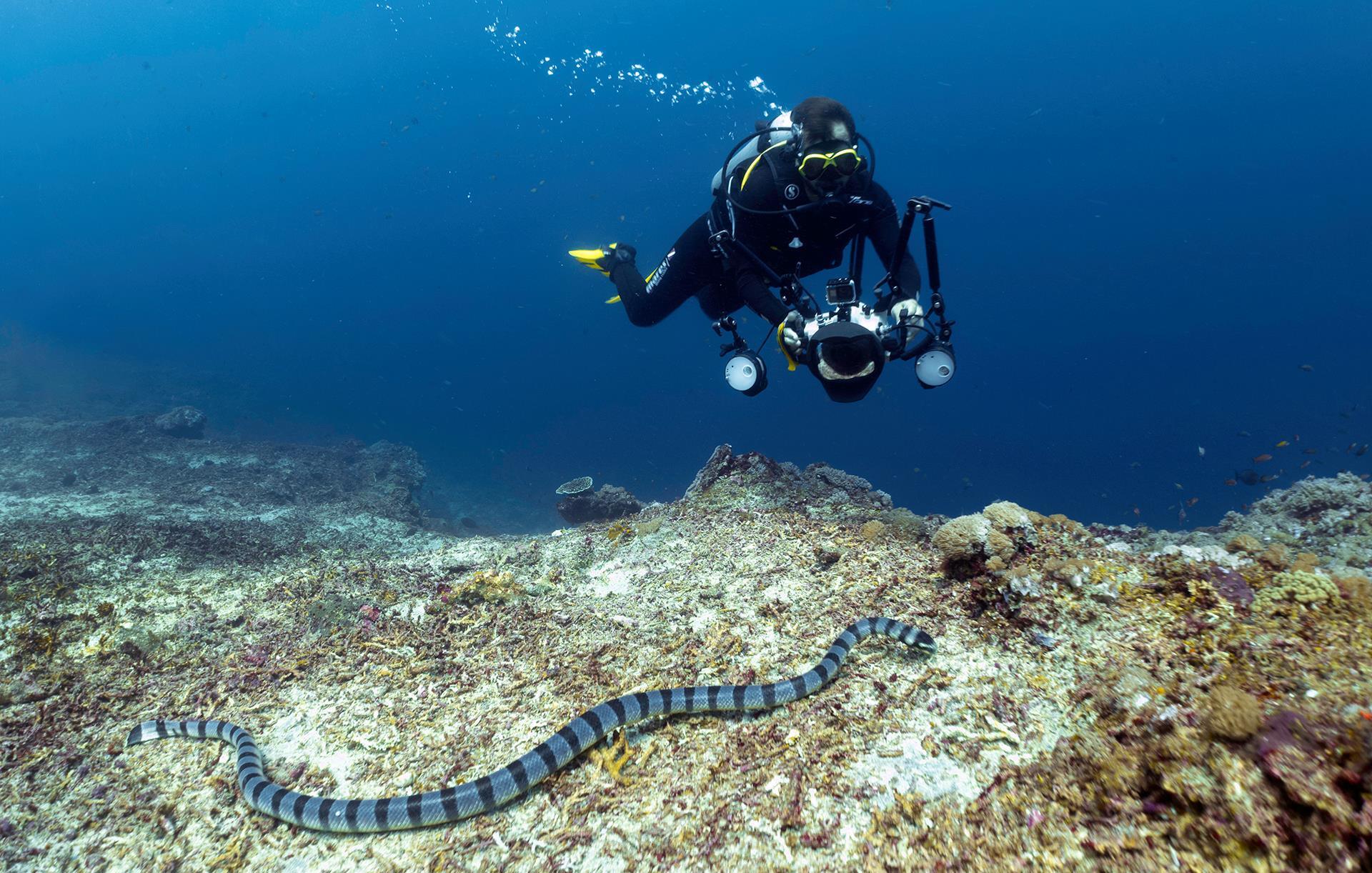
Photo by Zero Gravity Diving
The best diving safari trips are immersive without being frantic. They give the ocean time to reveal itself while keeping the experience organized, safe, and well guided.
Underwater wildlife experiences are a major reason divers choose safari-style trips. The right mindset is important: wild animals move on their own terms, and good operators plan around possibility rather than certainty.
Photo by Zero Gravity Diving
Their size, slow movement, and filter-feeding behavior can make an encounter feel calm and deeply immersive when divers keep respectful distance.
Where commonly encountered
Tropical and subtropical reef systems, cleaning stations, and current-rich channels.
The largest fish in the sea is usually encountered near the surface, making planning, local rules, and responsible operator behavior especially important.
Where commonly encountered
Seasonal aggregation areas in warm tropical and warm-temperate seas.
Photo by Zero Gravity Diving
Turtles often become memorable because the encounter is quiet: a slow swim over a reef, a feeding moment, or a resting animal seen without pressure.
Where commonly encountered
Coral reefs, seagrass areas, lagoons, and island waters across tropical and subtropical regions.
Photo by Zero Gravity Diving
Seeing reef sharks in context helps divers understand their role in marine ecosystems and why intact reef habitats matter.
Where commonly encountered
Healthy reef systems, passes, walls, and protected marine areas in tropical waters.
Hammerhead encounters are often about atmosphere as much as proximity: open water, current, depth, and the possibility of sharks moving through from the blue.
Where commonly encountered
Offshore seamounts, islands, channels, and blue-water sites where conditions can be demanding.
Photo by Zero Gravity Diving
Also known as ocean sunfish, mola mola are unusual, unmistakable animals. Encounters are highly condition-dependent and should never be treated as predictable.
Where commonly encountered
Temperate and tropical oceans, with dive encounters often linked to cooler water, depth, and seasonal upwelling areas.
Different expedition styles suit different divers. The right choice depends on your certification, comfort in the water, interest in wildlife, and tolerance for remote logistics.
Diving safaris are not one-size-fits-all. Some are relaxed and accessible; others are serious expeditions where recent experience, fitness, and calm decision-making matter.
Before choosing a trip
The best diving safari destinations are not simply the most famous ones. They are the places that match your level, season, wildlife hopes, and appetite for remote travel.
Start with conditions, not a checklist. Some routes are about coral gardens and relaxed reef time; others are about current, pelagic species, night dives, or long crossings. A trip can be excellent and still be wrong for a diver who wants something easier or more predictable.
If you are comparing broader marine life diving trips by region, our Indonesia destination guide is a useful example of how one country can include both accessible island diving and remote liveaboard routes. Use that kind of regional thinking wherever you plan to dive.
Browse available diving safari trips from our partners, then open each listing to compare route, dive level, inclusions, and marine wildlife focus.
Comfort: Mid-range

Destination: Indonesia

Operated in: English and 7 more

Duration: 15 days
Starts from $1,816
 5.0 - 301 Reviews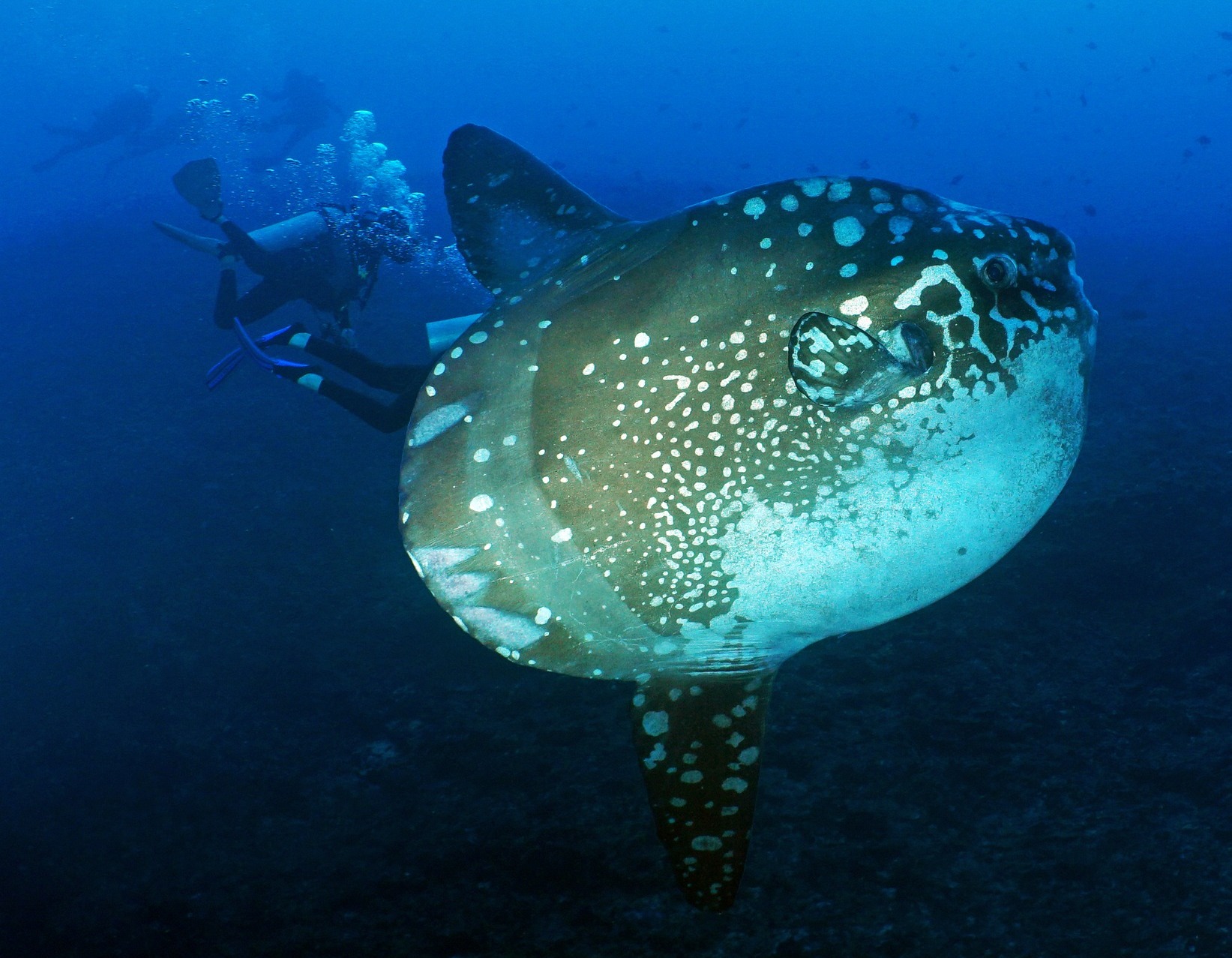
Comfort: Mid-range
Destination: Indonesia
Operated in: English and 7 more
Duration: 12 days
Starts from $1,555
5.0 - 301 Reviews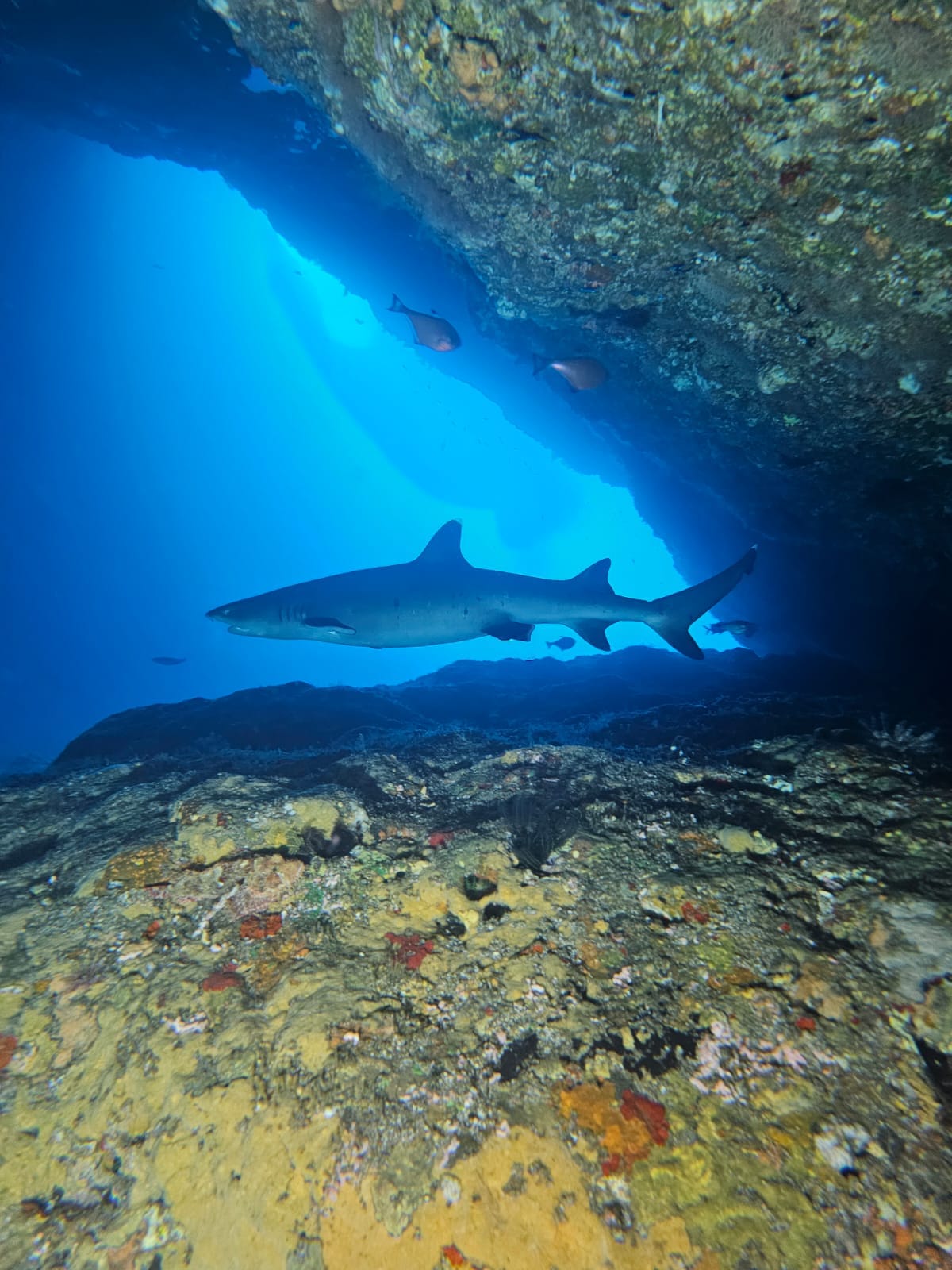
Comfort: Mid-range
Destination: Indonesia
Operated in: English and 7 more
Duration: 9 days
Starts from $1,220
5.0 - 301 ReviewsCompare available liveaboard diving tours and marine wildlife expeditions by route, experience level, dive style, and the underwater encounters each itinerary is realistically built around.