Best For
Marine wildlife, reef diving, rainforest wildlife, volcano scenery, and island expedition travel.

Destination guide
A vast island world of coral reefs, rainforests, volcanoes, dragons, manta rays, whale sharks, and expedition-style marine adventures.
Indonesia rewards travelers who want nature at scale: more than 17,000 islands, some of the planet's richest seas, and wildlife experiences that move between tropical forest, volcanic coast, and blue-water channels.
Indonesia is one of the rare destinations where wildlife travel, marine exploration, active adventure, and conservation significance all sit naturally within the same journey.
Set across the equator between the Indian and Pacific oceans, Indonesia sits inside the Coral Triangle and holds extraordinary biodiversity both above and below the water. Its reefs, mangroves, rainforest interiors, volcanic slopes, and current-swept channels create a natural stage for wildlife experiences in Indonesia that feel genuinely varied from one region to the next.
For marine wildlife Indonesia is hard to match. Raja Ampat is famous for reef diversity, Nusa Penida draws travelers for manta ray diving, and Komodo combines dragon viewing with powerful diving and island exploration.
This is also a country of endemic species and fragile habitats. Orangutans, birds of paradise, Komodo dragons, coral reefs, and migratory marine life all make Indonesia nature travel inseparable from conservation, responsible operators, and good regional timing.
Use this quick guide to understand where Indonesia is strongest and what kind of traveler it suits best.
Best For
Top Experiences
Famous Wildlife
Marine Life
Best Time To Visit
Number Of Islands
Indonesia works best when you plan around specific encounters and then choose the right region, season, and travel style around them.
The world's largest lizard gives Indonesia one of its most distinctive terrestrial wildlife experiences.
Why it is special
A rare, ancient-looking predator found naturally only in a small part of Indonesia.
Where to encounter it
Guided walks in and around Komodo, often paired with boat-based nature travel and reef exploration.
Rainforest journeys in Indonesia can focus on one of Asia's most intelligent and charismatic great apes.
Why it is special
Orangutans are deeply tied to tropical forest conservation and slow, patient wildlife viewing.
Where to encounter it
Borneo and Sumatra are the core Indonesian regions for orangutan-focused wildlife tours.
Photo by Zero Gravity Diving
Manta ray diving in Indonesia is a major draw for travelers who want big marine life encounters.
Why it is special
Graceful, powerful, and often seen around cleaning stations or current-rich channels.
Where to encounter it
Manta-focused trips commonly include Nusa Penida, Komodo, and parts of Raja Ampat.
Photo by Ryan Eckert
Whale shark tours in Indonesia can be extraordinary when planned around responsible local knowledge.
Why it is special
The largest fish in the sea turns a marine wildlife trip into a genuinely humbling encounter.
Where to encounter it
Seasonal and locally influenced sites in eastern Indonesia and beyond, depending on conditions and operator ethics.
Sea turtles are part of the wider marine wildlife Indonesia is known for, from reefs to seagrass and island beaches.
Why it is special
They connect reef health, nesting beaches, conservation work, and accessible snorkeling or diving moments.
Where to encounter it
Possible across many reef regions, including Raja Ampat, Bali, Komodo, and Nusa Penida.
Early morning forest walks in eastern Indonesia can reveal some of the most remarkable birds on Earth.
Why it is special
Their displays, colors, and restricted habitats make them a flagship for Indonesia nature travel.
Where to encounter it
Papua and the wider Raja Ampat region are key areas for specialist birding extensions.
Each region has a different rhythm: some are best by liveaboard, some work as island extensions, and others deserve a dedicated wildlife itinerary.
Remote islands, limestone karst, village homestays, dive resorts, and liveaboard routes make Raja Ampat one of Indonesia's most iconic nature travel regions.
Wildlife highlights
Birds of paradise, reef sharks, turtles, rich birdlife, and rainforest-backed island ecosystems.
Diving highlights
Exceptional coral diversity, reef fish biomass, manta sites, macro life, and classic Raja Ampat diving safaris.
Photo by Zero Gravity Diving
A dramatic island off Bali, Nusa Penida is a natural extension for travelers who want marine wildlife without giving up easy access.
Wildlife highlights
Manta rays, sea turtles, seabirds, and rugged coastal landscapes.
Diving highlights
Current-rich dive sites, manta encounters, and seasonal big-fish potential for experienced divers.
Komodo blends land and sea: dragon walks, island viewpoints, pink-sand beaches, reefs, and boat-based adventure travel.
Wildlife highlights
Komodo dragons, deer, sea eagles, manta rays, turtles, reef fish, and occasional reef sharks.
Diving highlights
Fast currents, colorful reefs, manta sites, and varied topography suited to confident divers.
Bali works well as a soft landing for Indonesia adventure travel, combining culture, volcano views, waterfalls, and access to nearby dive areas.
Wildlife highlights
Sea turtles, reef fish, rice field birdlife, forest edges, and marine life on nearby islands.
Diving highlights
Wreck diving, reef slopes, macro sites, and easy connections to Nusa Penida diving trips.
The Banda Sea is for travelers drawn to remote islands, spice history, blue water crossings, and expedition-style liveaboard routes.
Wildlife highlights
Pelagic fish, reef life, sea birds, turtles, and remote island ecosystems.
Diving highlights
Deep walls, volcanic seascapes, schooling fish, and long-range Indonesia liveaboard trips.
Alor feels wilder and less developed than many Indonesian dive regions, appealing to travelers who value remoteness and strong local guiding.
Wildlife highlights
Reef fish, turtles, cetacean potential offshore, and rugged island habitats.
Diving highlights
Clear water, strong currents, macro life, walls, reefs, and adventurous eastern Indonesia diving.
Indonesia can be a focused diving trip, a broader wildlife journey, or a high-energy adventure itinerary linking islands, boats, reefs, and forests.
Dive-led itineraries focused on reefs, currents, manta rays, turtles, reef sharks, and the strongest marine wildlife regions.
Explore Diving SafarisBoat-based expeditions reaching remote sites in Raja Ampat, Komodo, the Banda Sea, Alor, and eastern Indonesia.
Land and sea journeys for travelers interested in Komodo dragons, orangutans, birds, rainforests, and island ecosystems.
Trips shaped around sunrise viewpoints, reef life, rainforest species, cultural detail, and patient wildlife observation.
View Photography-Friendly ToursSpecialist marine wildlife experiences planned around seasonality, local guidance, and responsible encounter standards.
Snorkel, dive, and boat-based adventures built around manta rays, turtles, coral reefs, schooling fish, and island waters.
Explore Indonesia Diving SafarisIndonesia does not have one simple travel season. The best timing depends on whether your trip is focused on reefs, rainforests, volcanoes, or specific marine wildlife.
Dry Season
April to October is often best for Bali, Komodo, Nusa Penida, and many southern routes, with lower rainfall and easier island logistics.
Wet Season
Rain can be heavy in many areas, but landscapes are lush and some eastern or northern marine regions follow different seasonal patterns.
Best Diving Conditions
Raja Ampat is commonly planned from October to April, while Komodo and Nusa Penida are often strongest in the drier months.
Wildlife Viewing
Orangutan, Komodo, birding, and marine wildlife trips should be timed by region, guiding access, and target species rather than a single national calendar.
Jan-Feb
Raja Ampat diving, wetter south
Mar-Apr
Shoulder conditions, regional transitions
May-Jun
Komodo and Bali routes improve
Jul-Aug
Dry season peak in many southern islands
Sep-Oct
Strong Komodo/Nusa Penida window
Nov-Dec
Raja Ampat season builds
Browse current Indonesia tours, from diving safaris and liveaboard routes to Komodo wildlife trips and reef-focused itineraries.
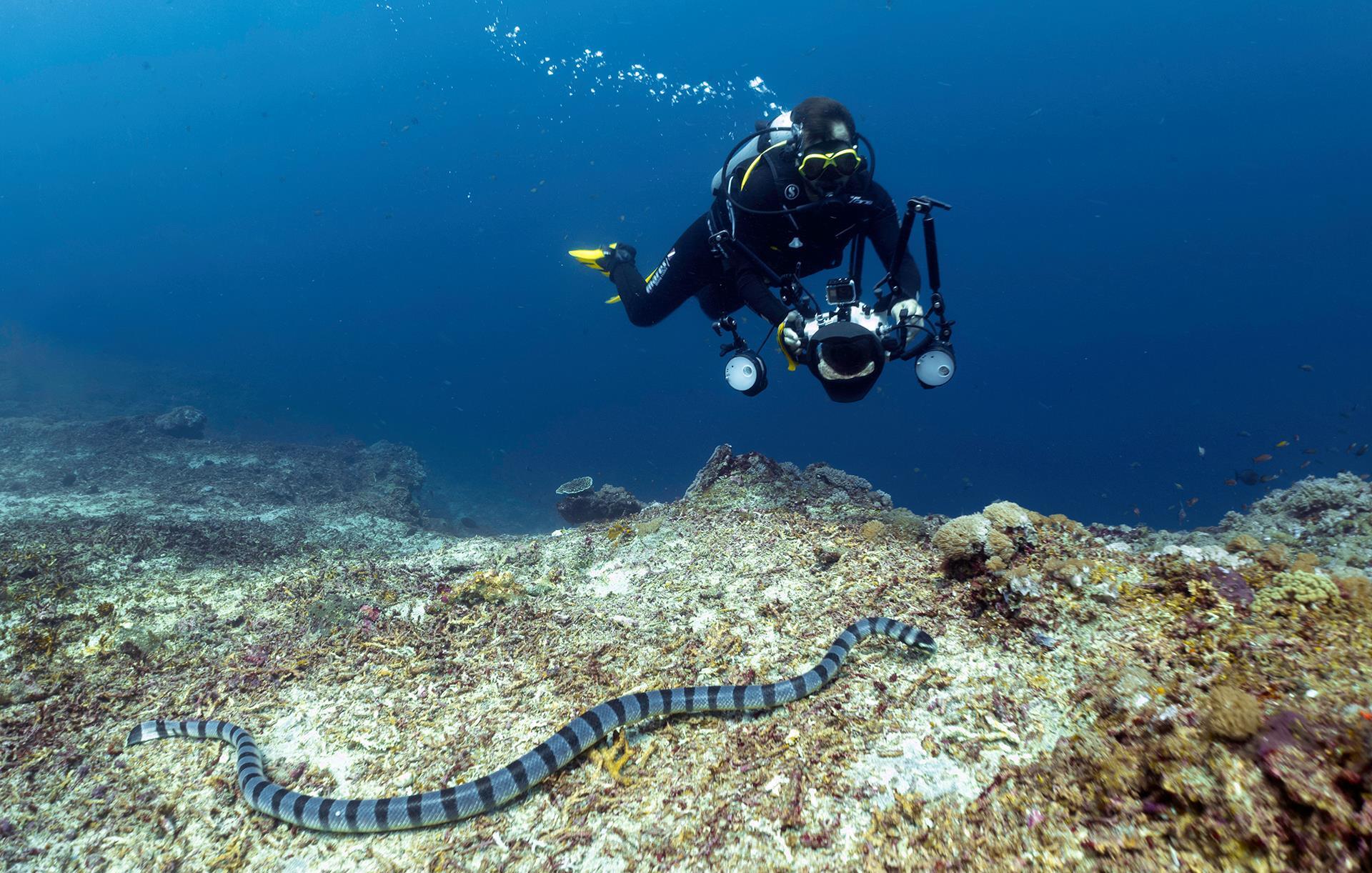
Comfort: Mid-range

Destination: Indonesia

Operated in: English and 7 more

Duration: 15 days
Starts from $1,816
 5.0 - 301 Reviews
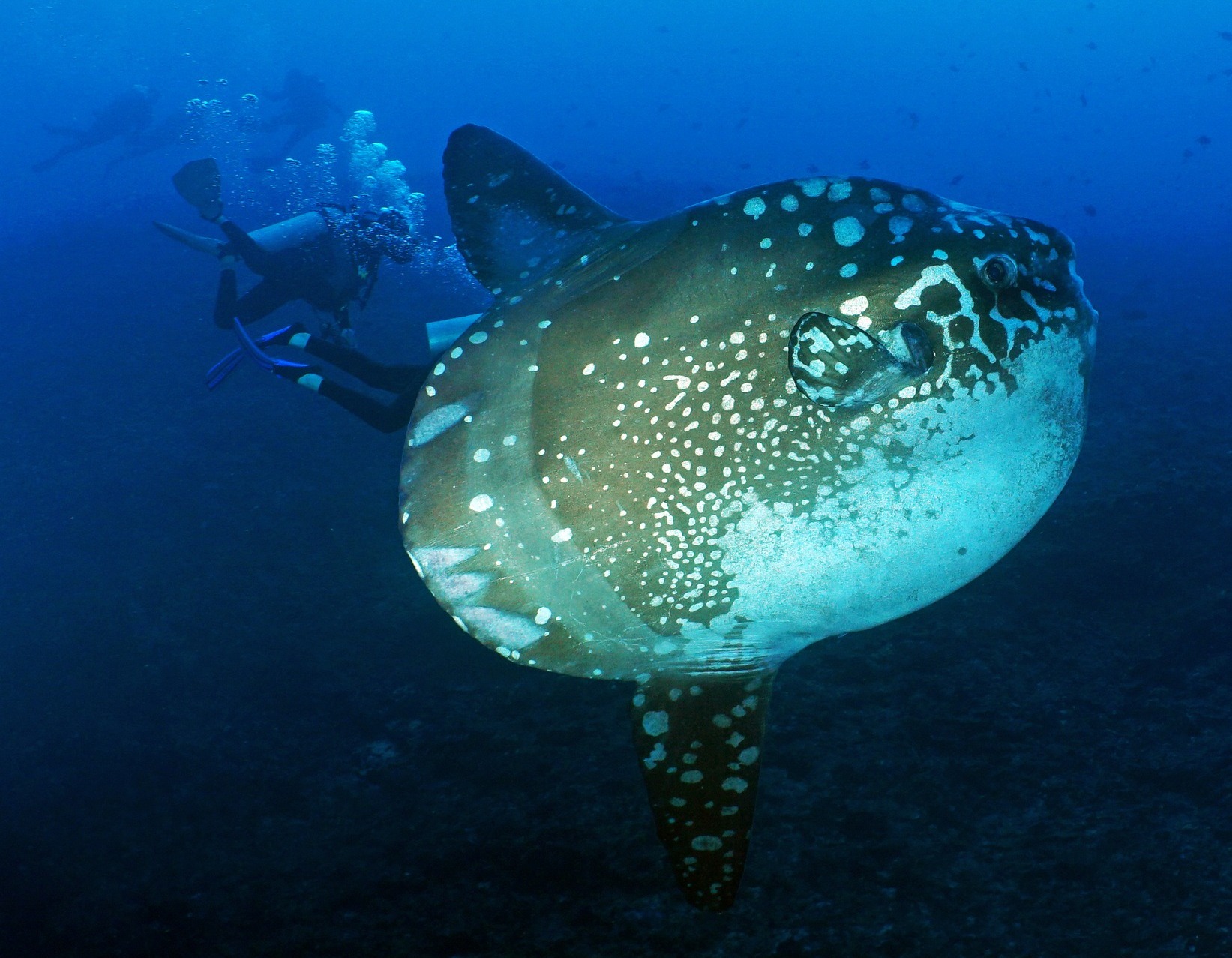
Comfort: Mid-range
Destination: Indonesia
Operated in: English and 7 more
Duration: 12 days
Starts from $1,555
5.0 - 301 Reviews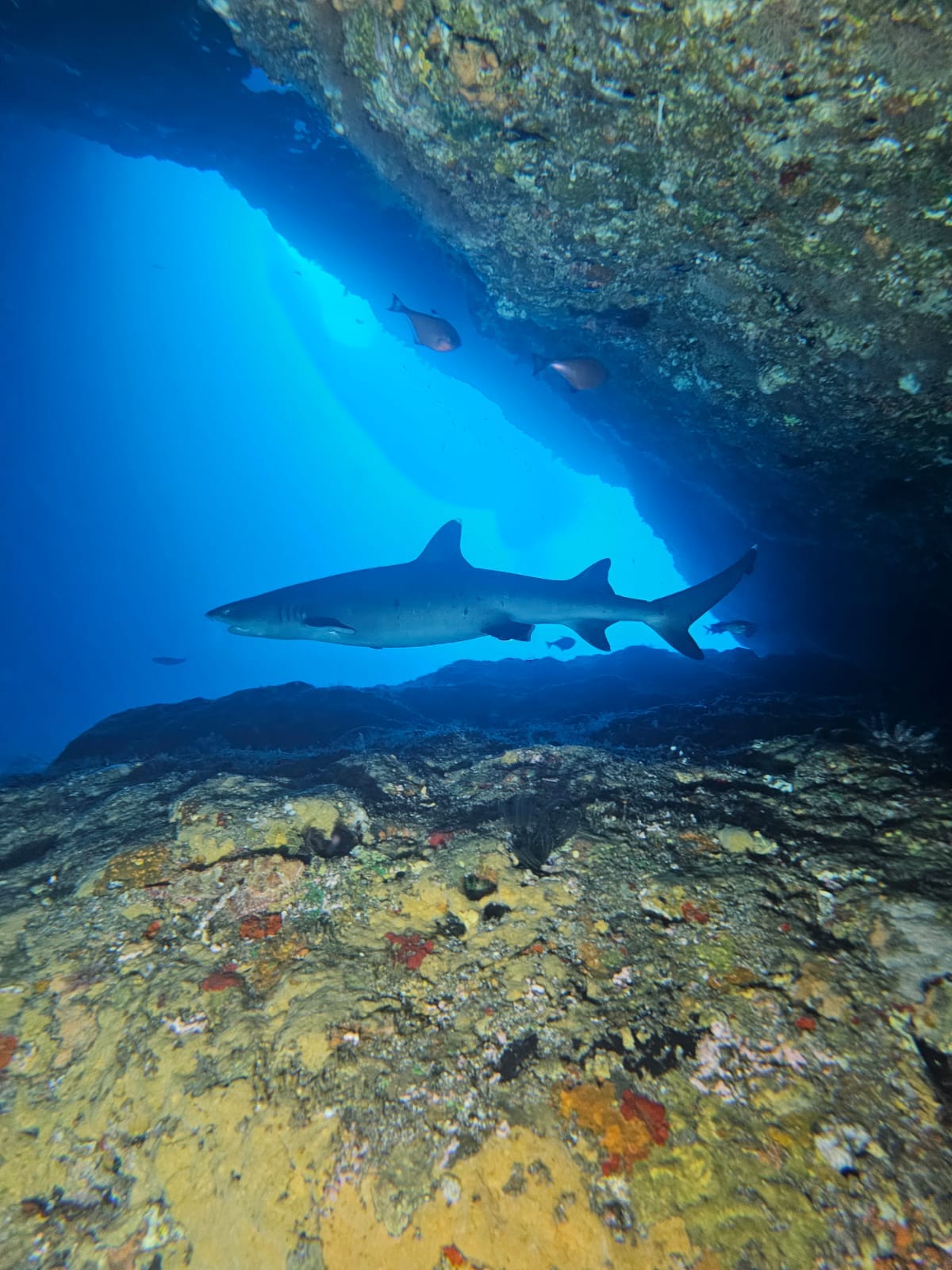
Comfort: Mid-range
Destination: Indonesia
Operated in: English and 7 more
Duration: 9 days
Starts from $1,220
5.0 - 301 ReviewsIndonesia can be visited year-round, but timing depends on the region and experience. Many travelers choose the drier months from April to October for Bali, Komodo, and Nusa Penida, while Raja Ampat is often strongest for diving from October to April. Because Indonesia stretches across a vast island chain, the best plan is usually regional rather than country-wide.
Yes. Indonesia is one of the best diving destinations in the world because it sits at the heart of the Coral Triangle. Raja Ampat, Komodo, Nusa Penida, the Banda Sea, and Alor offer reef diving, drift diving, manta ray sites, liveaboard routes, and exceptional marine biodiversity.
Manta rays are regularly associated with areas such as Nusa Penida, Komodo, and parts of Raja Ampat. Conditions and sightings vary by season, current, and local site, so manta-focused trips should be planned with operators who understand regional patterns and responsible encounter guidelines.
Whale sharks can be seen in several Indonesian regions, with seasonal or locally influenced encounters reported around places such as Cenderawasih Bay, Sumbawa, and parts of eastern Indonesia. These trips should be chosen carefully, with priority on ethical operators and clear wildlife guidelines.
Yes. Komodo dragons live in and around Komodo National Park, including islands such as Komodo and Rinca. Visits are guided and regulated, and most itineraries combine dragon viewing with marine wildlife, reefs, beaches, and boat-based exploration.
Indonesia can offer manta rays, whale sharks, reef sharks, sea turtles, schooling fish, pygmy seahorses, nudibranchs, colorful reef fish, and some of the richest coral ecosystems on Earth. The exact wildlife depends heavily on the region, current, season, and dive style.
Liveaboards are often worth it when you want access to remote reefs, multiple dive sites, and regions where day trips are limiting. Raja Ampat, Komodo, the Banda Sea, and Alor are classic liveaboard areas because boats can reach sites that are difficult to combine from shore-based accommodation.
Raja Ampat is often chosen for biodiversity and reefs, Komodo for current-swept diving and mixed adventure, Nusa Penida for manta rays and Bali access, the Banda Sea for remote pelagic routes, and Alor for wilder eastern Indonesia diving. The best region depends on experience level, season, and whether you prefer a resort base or liveaboard.
Start with your priority: reefs, manta rays, Komodo dragons, orangutans, liveaboard diving, or broader Indonesia adventure travel. Then choose the region and season that makes that encounter realistic.