FaunaExplore logo
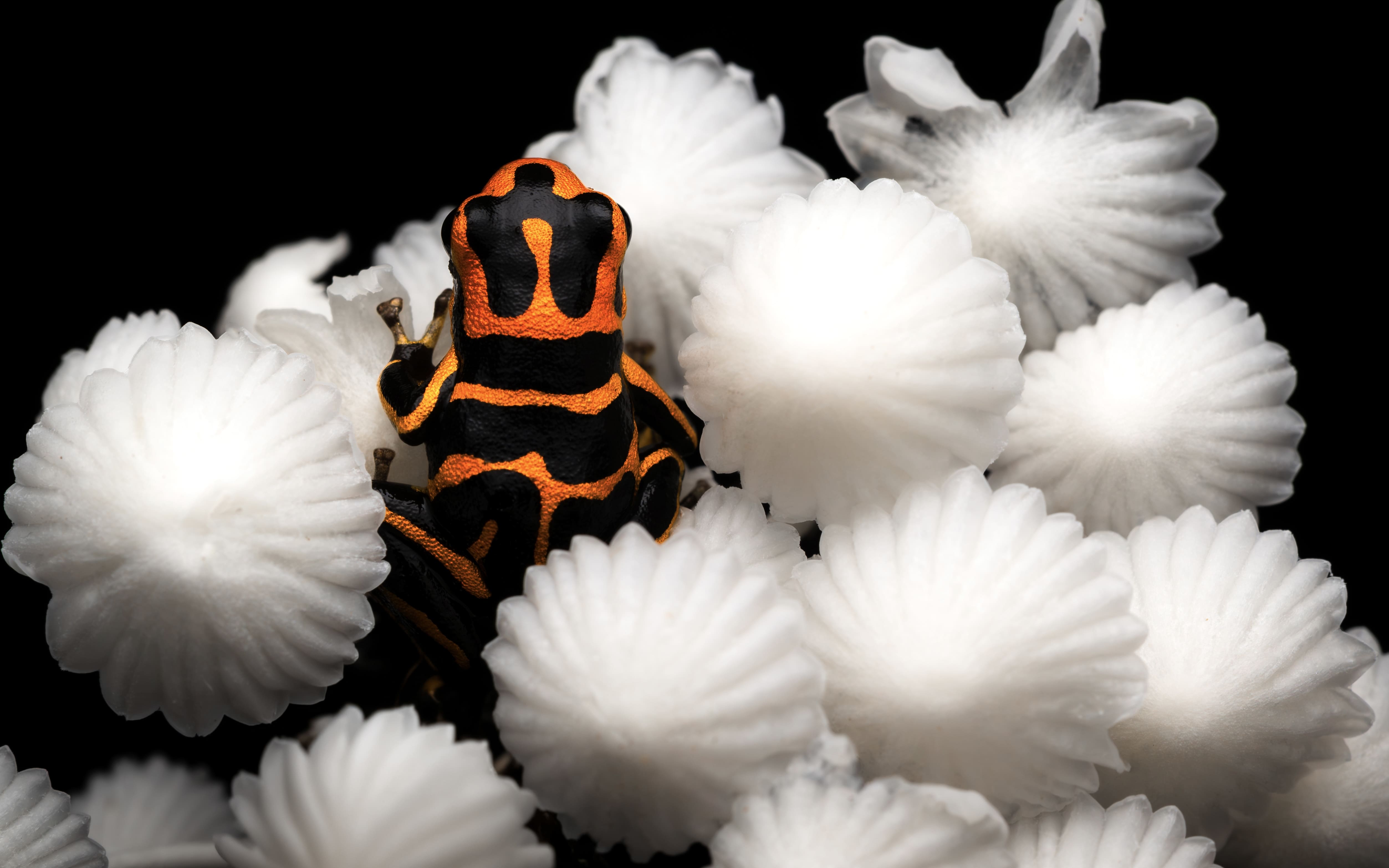
Yellow and blue poison dart frog on moss in tropical rainforest

Wildlife Experiences

Frogs & Amphibians

Discover extraordinary frogs and amphibians in some of the world's most diverse wildlife habitats, from colourful poison dart frogs in tropical rainforests to elusive glass frogs and tree frogs found on nocturnal walks.

What Makes Frog Watching So Special?

Frog watching is a different kind of wildlife experience. These small, often elusive animals can be surprisingly difficult to find, making the search itself part of the adventure.

Poison dart frogs are active during the day, making daytime walks the best opportunity to encounter them in their natural habitat. After dark, guided night hikes focus on nocturnal species such as tree frogs and glass frogs, revealing a different side of rainforest life.

With an experienced local guide, frog watching becomes more than simply spotting a species. You learn where to look, what to listen for and how to observe these animals without disturbing them. For photographers, it also opens the door to an entirely different world of macro wildlife photography.

Where Can You See Frogs & Amphibians?

Some of the world's most remarkable frogs and amphibians live in tropical forests, cloud forests and other highly diverse habitats. From the poison frogs of Colombia to the rainforest species of the Amazon and Central America, each destination offers a different window into the world of amphibians.

Explore destinations where specialist guides can take you beyond the usual wildlife encounters and into habitats where frogs and amphibians are the main attraction.

What Can You See?

Poison Dart Frogs

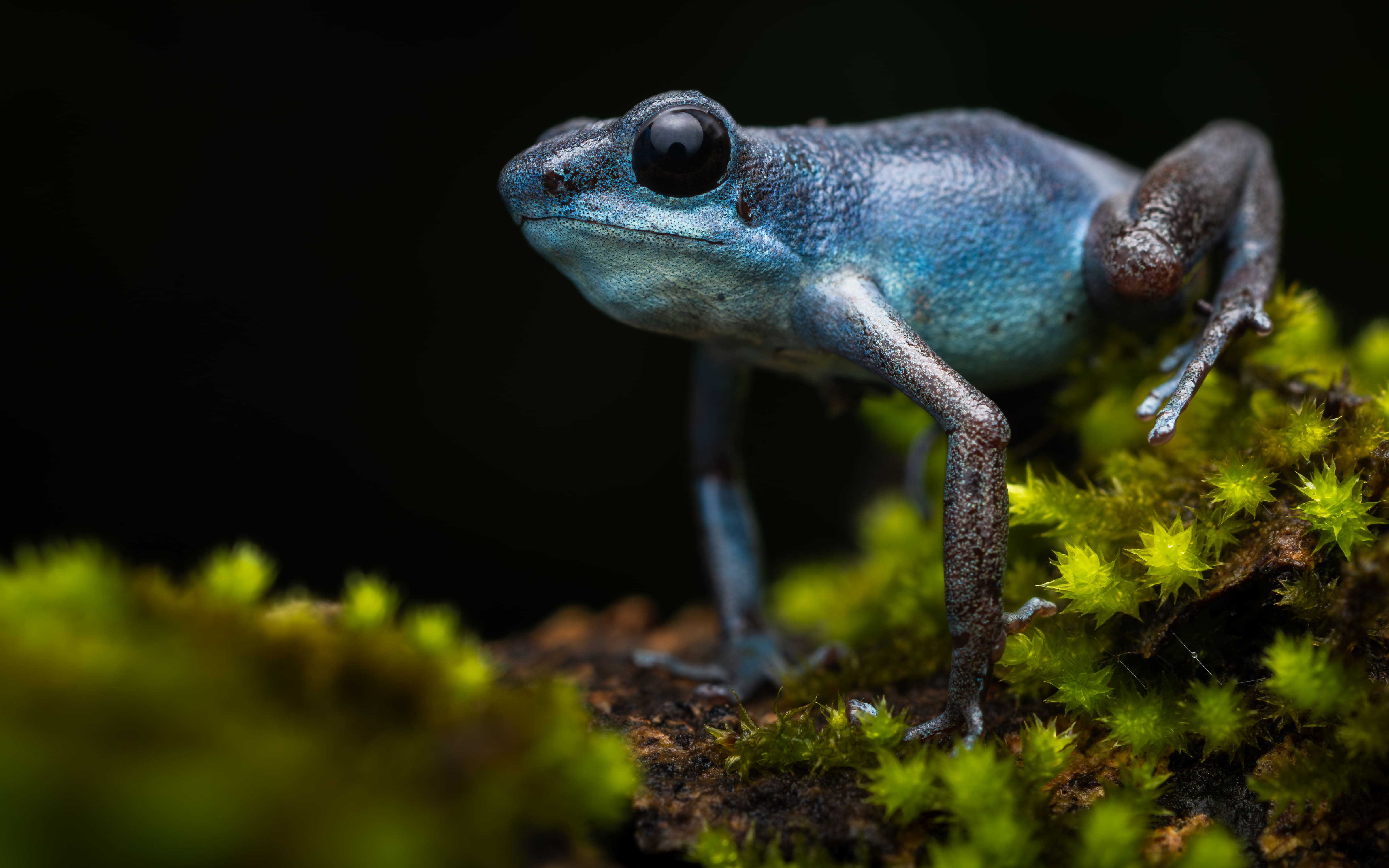
Known for their extraordinary colours and patterns, poison dart frogs are among the most sought-after amphibians in tropical wildlife travel. Specialist tours can offer opportunities to encounter species such as Ranitomeya, Oophaga and Andinobates in their natural habitats.

Glass Frogs

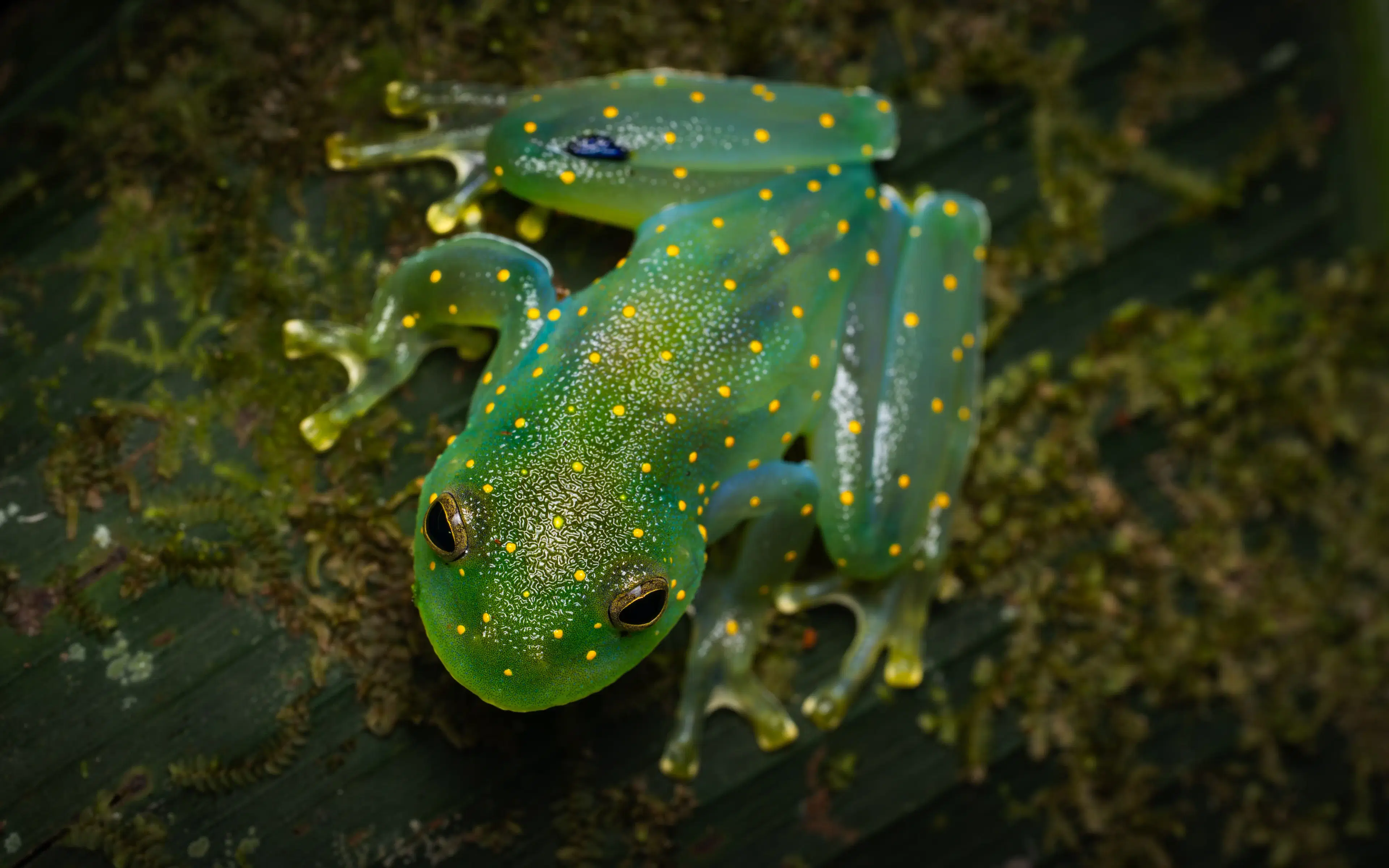
Tiny and often elusive, glass frogs are best known for their translucent skin and nocturnal habits. Finding them along rainforest streams and vegetation is one of the highlights of a specialist night walk.

Tree Frogs

From colourful rainforest species to perfectly camouflaged tree frogs, this diverse group can be encountered in forests, cloud forests and tropical lowlands. Night walks are often the best way to find them active in the vegetation.

Salamander resting on a green leaf

Salamanders & Other Amphibians

Depending on the destination, amphibian-focused trips can also include salamanders, toads and other less frequently encountered species. These encounters add another dimension to specialist amphibian travel.

Frog & Amphibian Wildlife Tours

From specialist poison frog expeditions to rainforest wildlife experiences, our frog and amphibian tours take you into some of the world's richest habitats for these remarkable animals. Explore with experienced local guides, naturalists and specialist wildlife photographers who know where and when to look.

Frog Photography & Herping

Frog photography combines wildlife watching with the challenge of finding and photographing some of the rainforest's smallest inhabitants. Daytime walks can reveal diurnal poison dart frogs, while night hikes are an important part of searching for nocturnal species such as glass frogs and tree frogs.

For photographers, these encounters offer exceptional opportunities for macro photography, from colourful poison dart frogs and tree frogs to tiny species hidden among leaves and vegetation. Experienced guides can help locate subjects, understand their behaviour and approach them carefully without unnecessary disturbance.

Some experiences also incorporate herping, the search for wild reptiles and amphibians in their natural habitats. This can add an extra dimension to a frog-focused expedition, particularly in regions with exceptional amphibian and reptile diversity.

Meet the Specialist

Jack Small, wildlife photographer and amphibian specialist, holding a telephoto camera lens near a tropical forest

Jack Small

Wildlife Photographer & Amphibian Specialist

After years of searching for frogs, I've learned it's all about slowing down and being present. Immersing yourself in the jungles with local guides has taught me more about frogs than any field guide ever could.

What to Expect on a Frog & Amphibian Tour

Night Walks

Night hikes focus on nocturnal amphibians, including tree frogs and glass frogs. During the day, walks offer opportunities to search for diurnal species such as poison dart frogs.

Rainforest & Cloud Forest

From humid lowland rainforest to cool mountain cloud forests, different habitats support remarkably diverse amphibian communities. Each environment offers the chance to encounter different species.

Specialist Guides

Experienced local guides know where to search, what calls to listen for and how to approach sensitive habitats. Their knowledge can make the difference between a missed animal and an unforgettable encounter.

Small Groups

Smaller groups allow more time for careful searching and observation while helping minimise disturbance. They also create a more focused experience for photographers and wildlife enthusiasts.

Photography Opportunities

Frogs can be exceptional macro photography subjects, with intricate colours, textures and patterns. Specialist tours can provide time to work carefully on composition and field photography. Specialized one-on-one photography instruction may also be available, with guidance on lighting, positioning, framing and related field techniques.

Patience Matters

Finding small and well-camouflaged amphibians can take time. The experience is as much about searching, listening and exploring as it is about the final sighting.

Responsible Frog Watching

Responsible frog watching means observing amphibians in their natural habitats while keeping disturbance to a minimum. Because amphibians are particularly sensitive to environmental changes and disease, specialist guides and travellers should take care to protect both the animals and the habitats they depend on.

Observe frogs without unnecessary disturbance

Give frogs space and avoid disturbing resting, feeding or breeding animals. Follow established paths where possible and let your guide determine how closely an animal should be approached.

Avoid unnecessary handling

Frogs and other amphibians should not be handled simply for a closer look or a photograph. Their sensitive skin can be affected by contact, while handling can also create unnecessary stress and disease risks.

Protect habitats

Stay on appropriate trails and avoid moving vegetation, rocks or leaf litter unnecessarily. Small changes to microhabitats can affect amphibians and their breeding sites.

Use responsible photography practices

Prioritise the animal's welfare over the photograph. Avoid repeatedly repositioning a subject, blocking its escape route or using techniques that cause unnecessary stress simply to achieve a better image.

Follow appropriate hygiene and field protocols

Amphibian pathogens can be transported between habitats on footwear, equipment and other contaminated materials. Follow local cleaning and disinfection procedures when moving between sites, particularly on specialist herping trips.

Follow specialist guide instructions

Local guides understand the conditions, species and conservation requirements of the areas you visit. Follow their instructions on where to walk, how to approach animals and when to leave a sighting undisturbed.

Find Your Frog Wildlife Experience

From specialist frog photography to guided amphibian expeditions, explore wildlife experiences designed around the species, habitats and destinations you want to discover.

Explore Frog Tours

Frog & Amphibian Tour FAQs