
$▾
Based in Tanzania
18+ years in safaris
Operated by
 Responds within 8h
All ages are welcome

Destination: Tanzania

Operated in: EnglishLanguagesSpanish, French, German, Italian
Duration: 4 days
From
$1,426
per person
See prices ↓
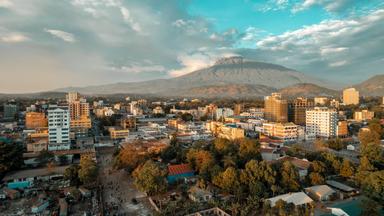
Arusha
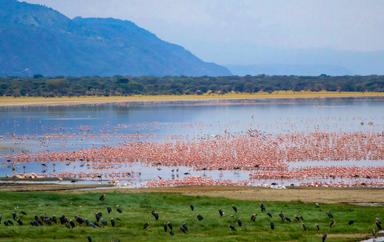
Lake Manyara
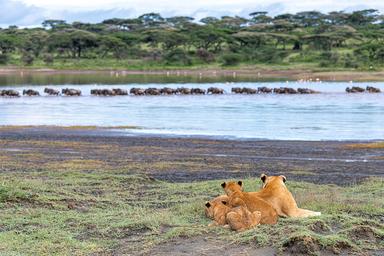
Lake Ndutu

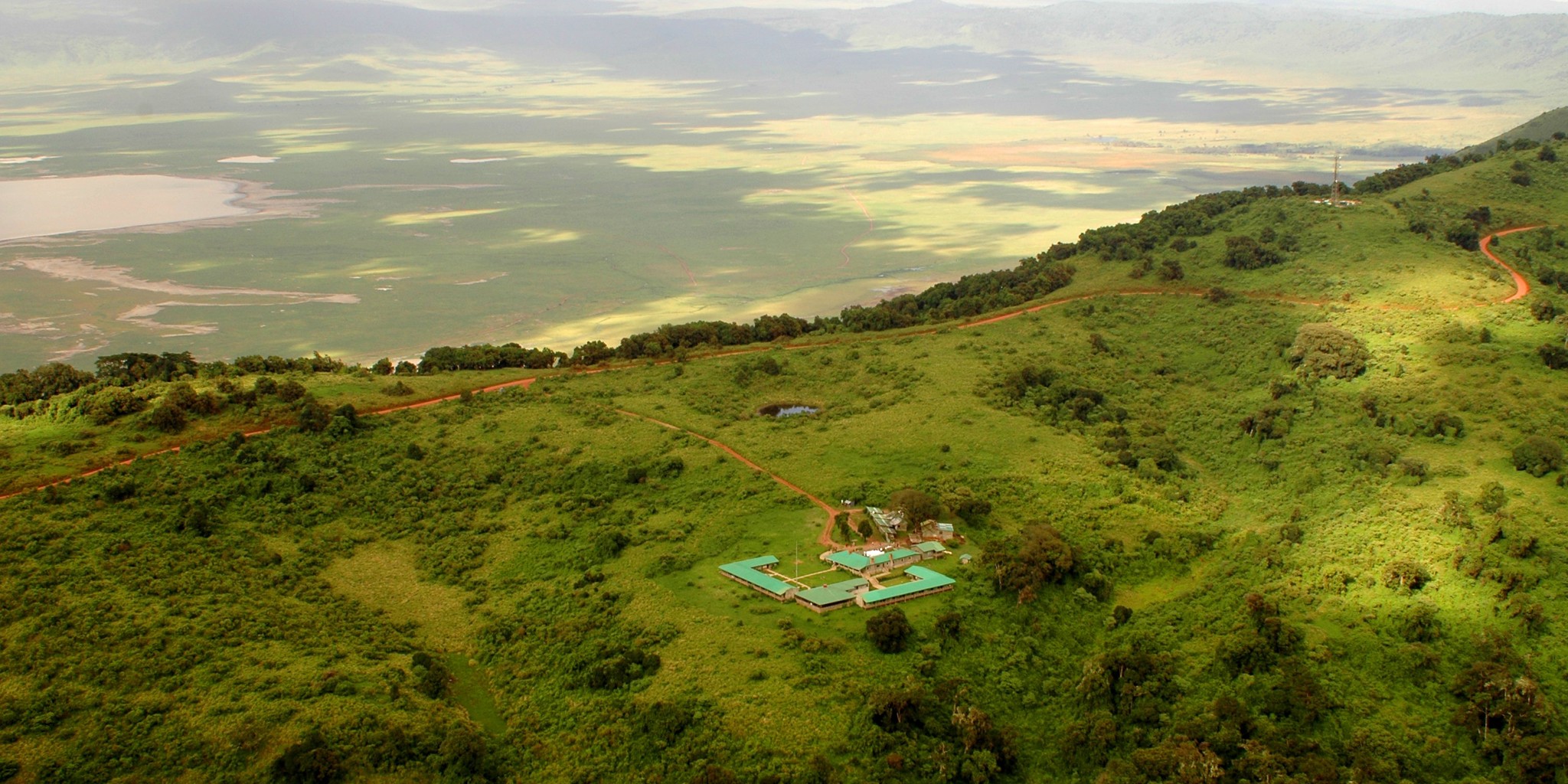
Ngorongoro Conservation Area

Ngorongoro Crater
Pickup available
Transfer from and to airport/hotel is included in price.
Mid-range
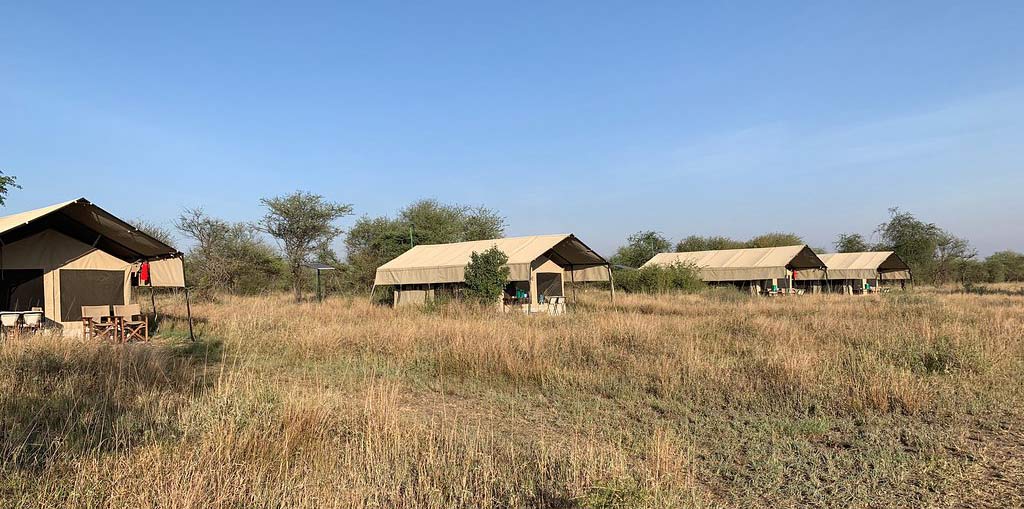
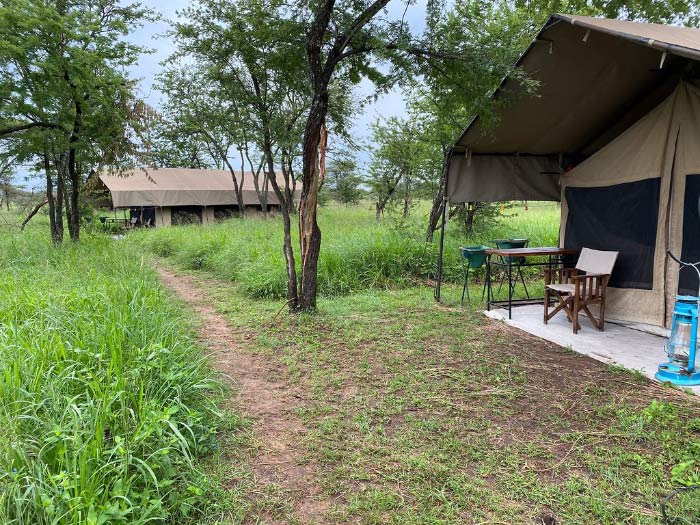
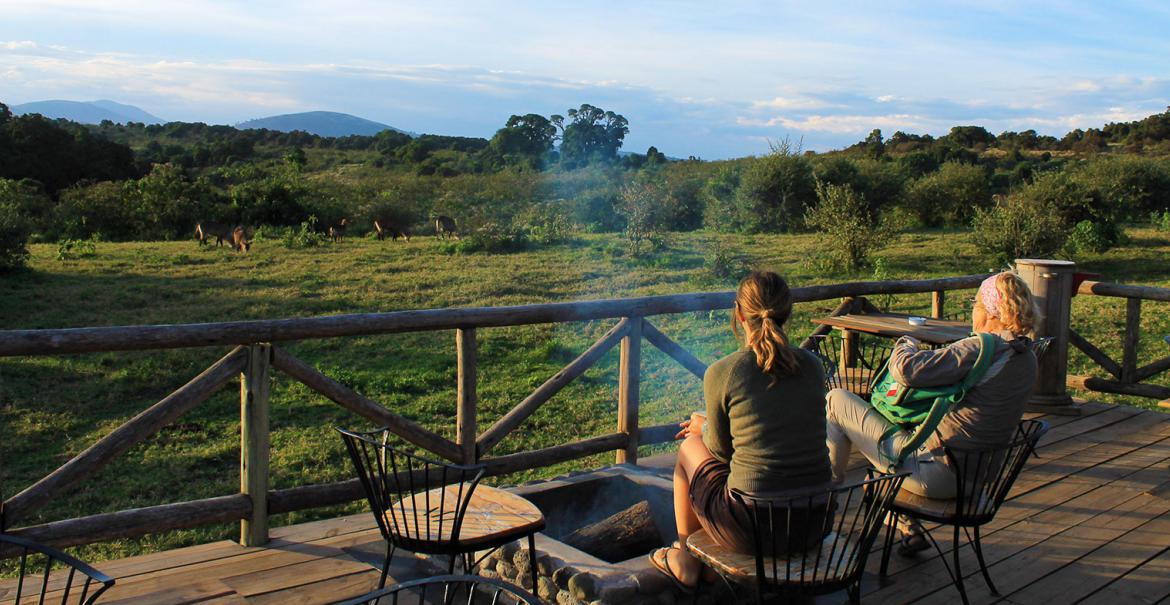
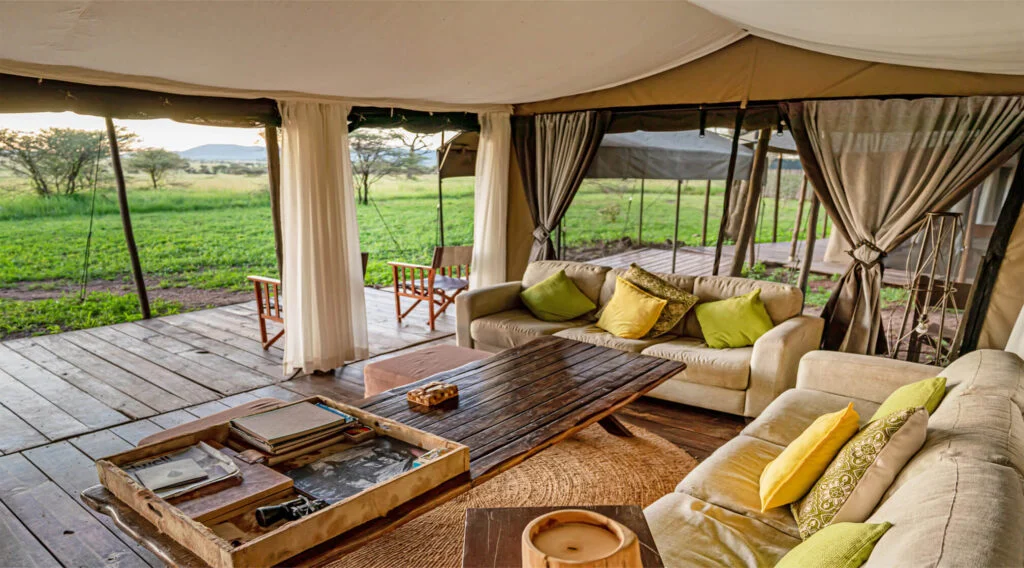
Handpicked lodges and camps in prime wildlife locations.
Comfortable stays with attentive service throughout the journey.
Just for you
Your tour will be completely private,
planned only for your group - no sharing with strangers.
For groups only
This private tour is best enjoyed with two or more people,
so it's not available for solo travelers.
Start whenever you like
If dates are open, you can kick off your tour on any day that works for you.
A trip that fits you
We're happy to make small tweaks to the route
or stays so the journey feels more personal.
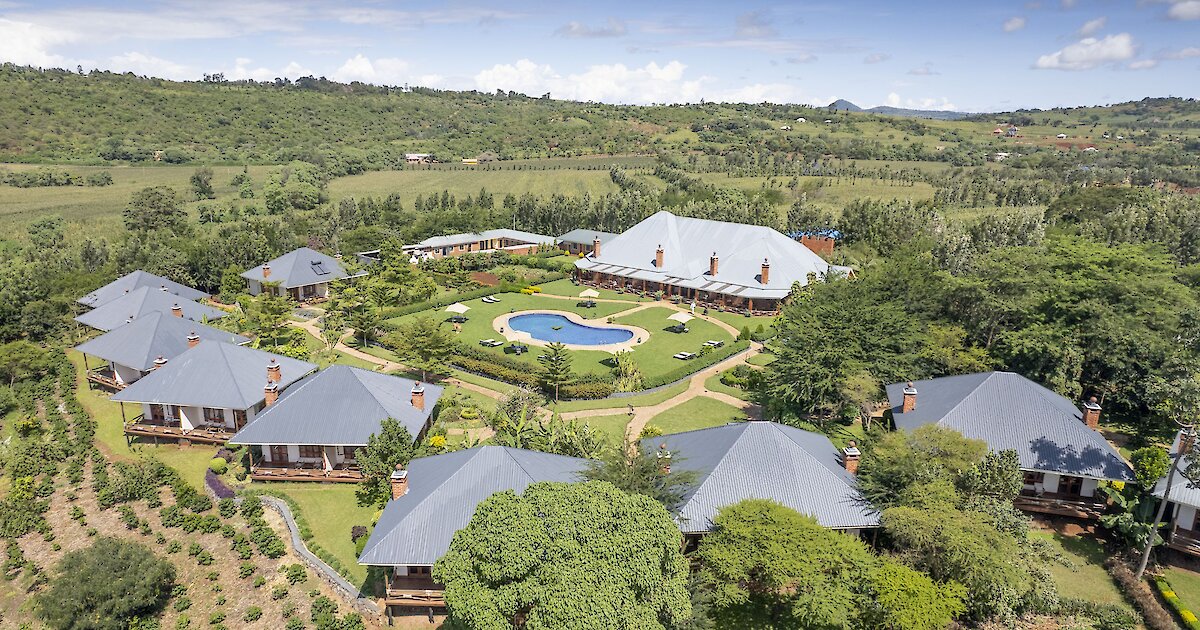
Arusha – Lake Manyara National Park: At 8:30 AM you will be greeted by your guide in your hotel based in Arusha and after an approximately 2-hour drive you will reach to the Lake Manyara National Park. It is said to be the “loveliest (lake) in Africa,” Lake Manyara is covering 127 square miles (329 km2) of Lake Manyara National Park, the lake’s alkaline waters cover approximately 89 square miles (231 km2). It is famous for a good number of baboons and birdlife, also home to herbivores such as hippos, impalas, elephants, wildebeests, buffalo, warthogs, and giraffes, giant fig trees and mahogany seen in the groundwater forest immediately around the park gates, and then proceeds to lodge to enjoy a lovely swimming pool and overnight.
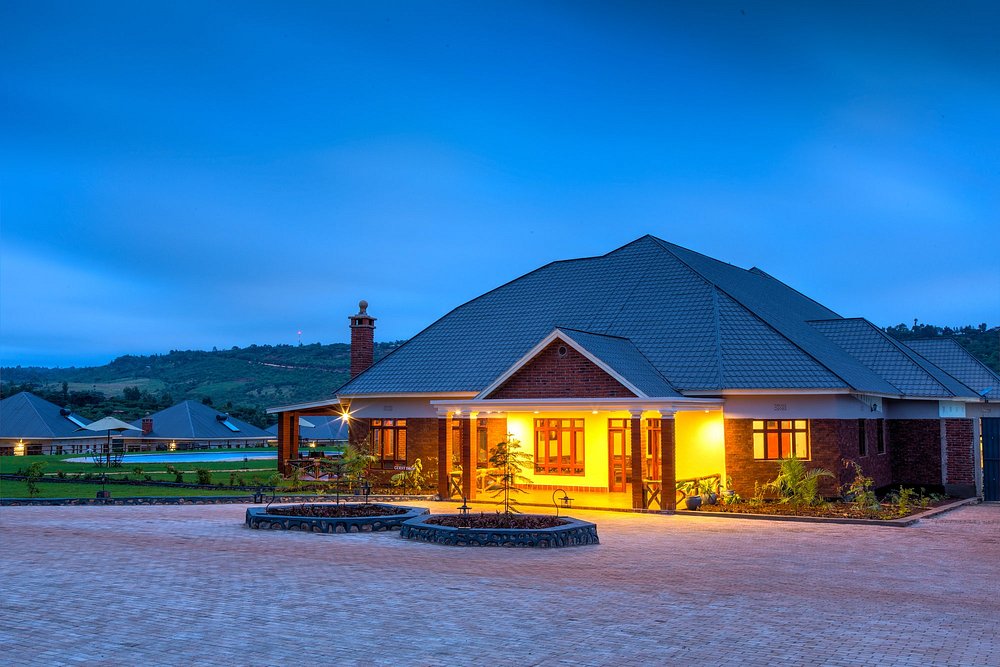
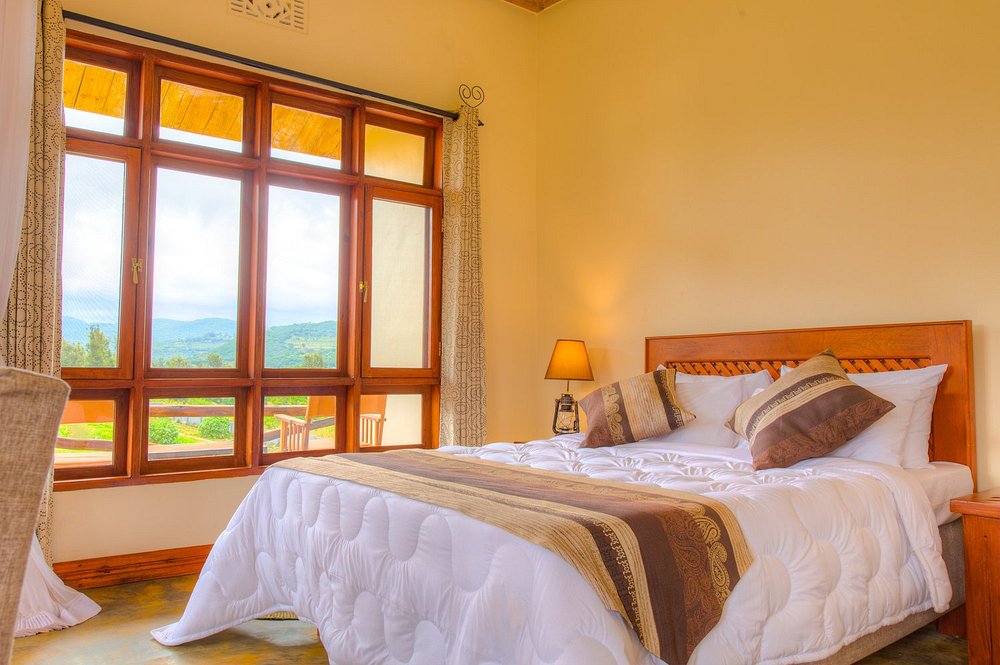
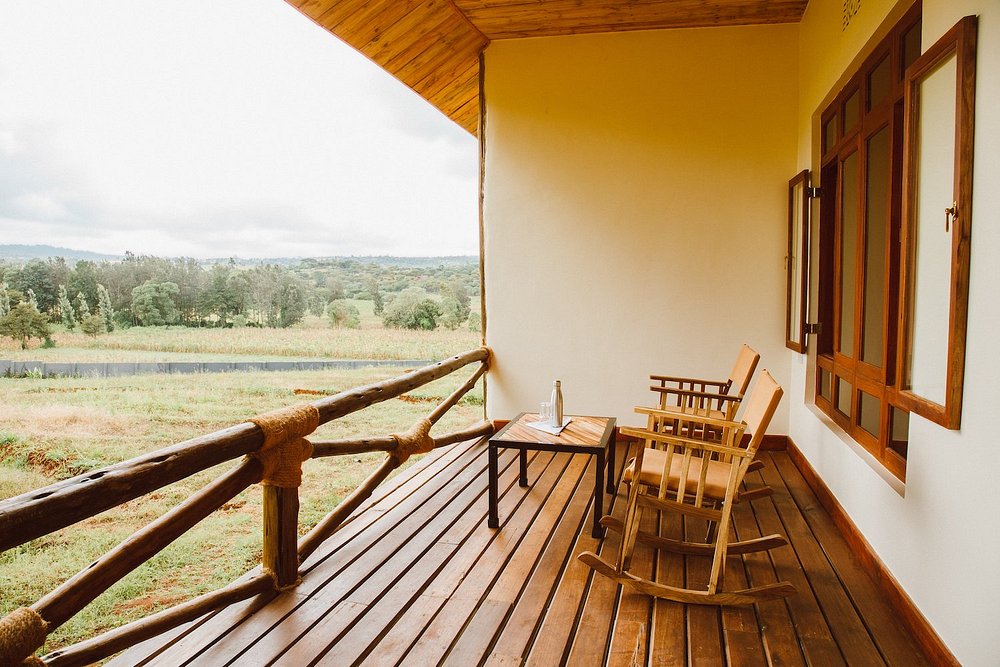
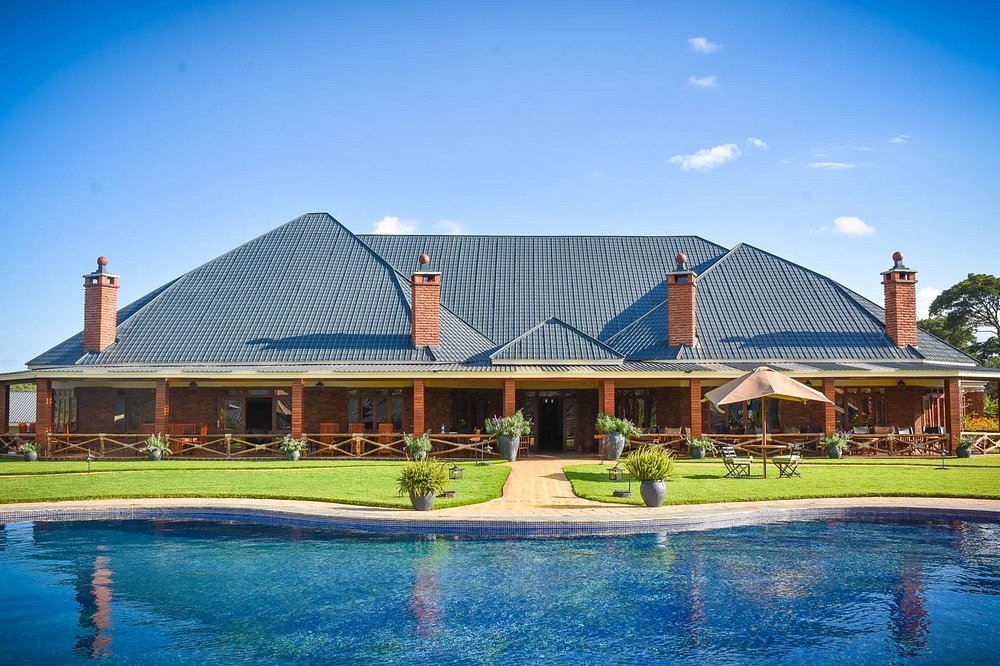
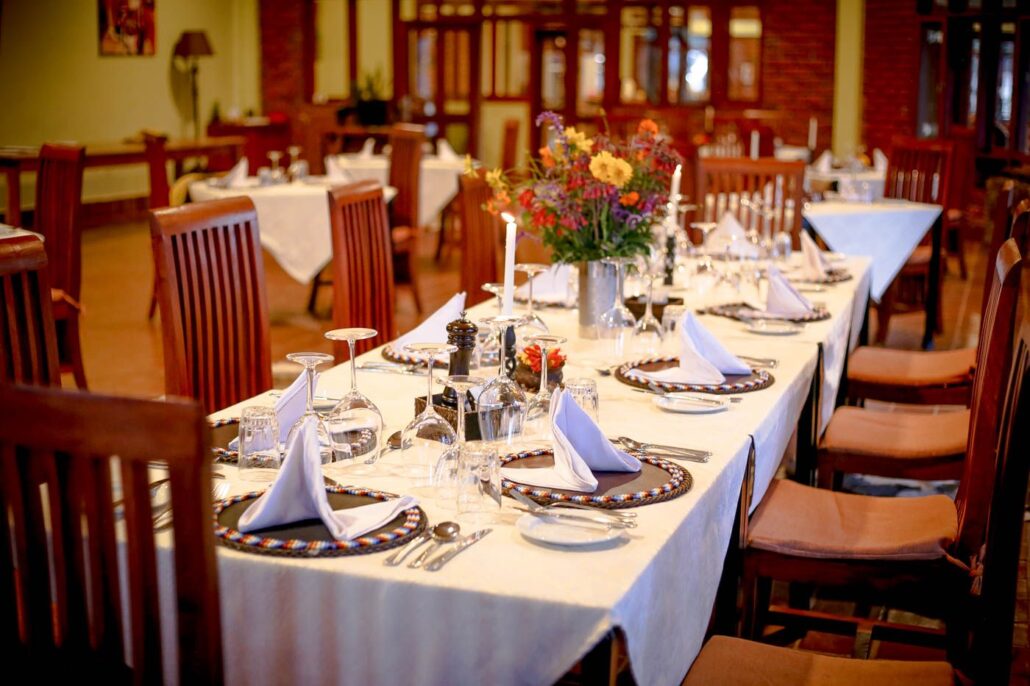
* Due to availability, the accommodation may be changed to a property of the same standard. You will be informed in advance.
 All national park feesMeals according to the itineraryOvernight accommodation according to the itineraryAirport pickups/departure transfersLodge safari according to the itineraryProfessional, English-speaking guideTransportation in a 4×4 safari vehicleAll mentioned activities1.5 liters of mineral water per day
 International flightsOptional activitiesZanzibar IslandAlcoholic and soft drinksVisa feesTipsPersonal spending money for souvenirsTravel insurance
Baboons
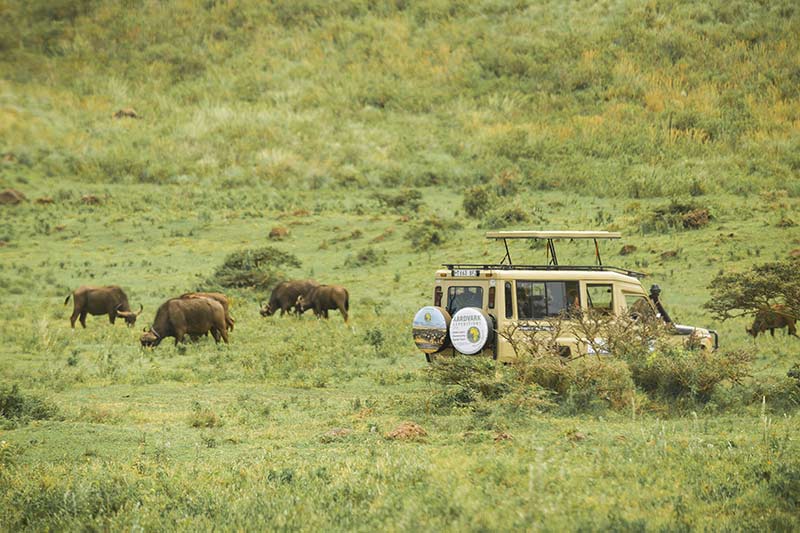
Buffaloes
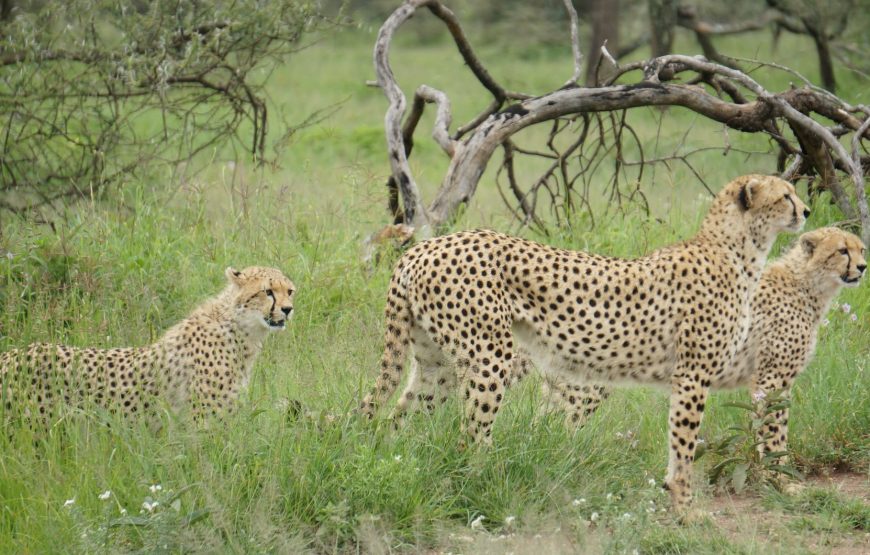
Cheetahs
Crocodiles
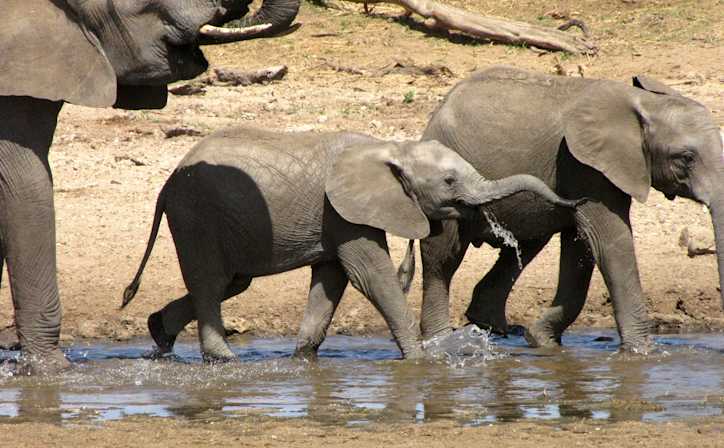
Elephants
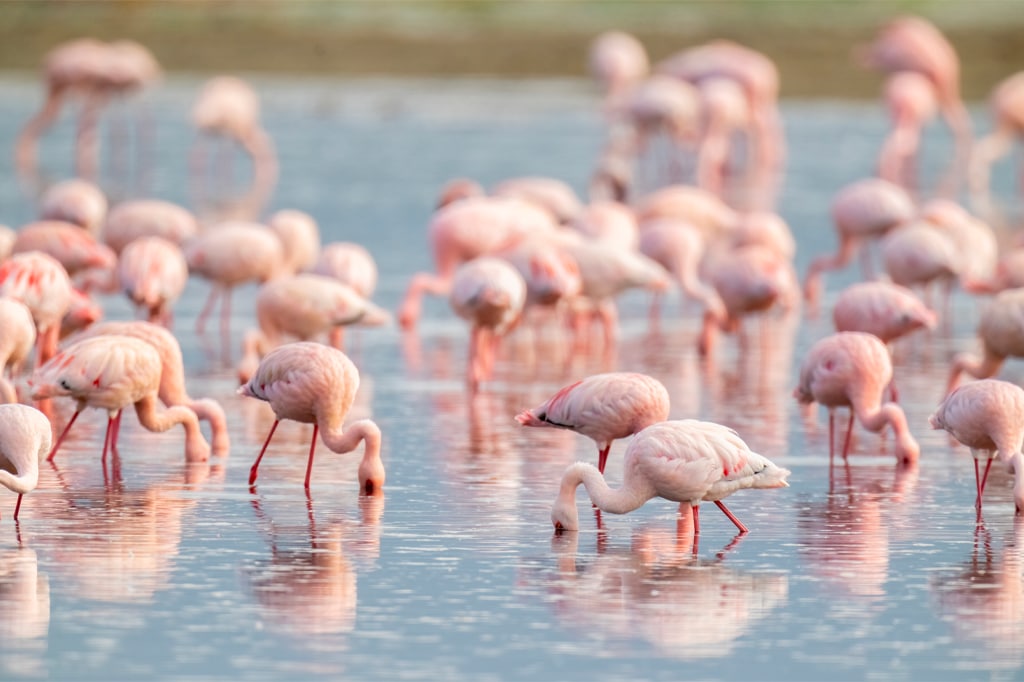
Flamingos
Gazelles
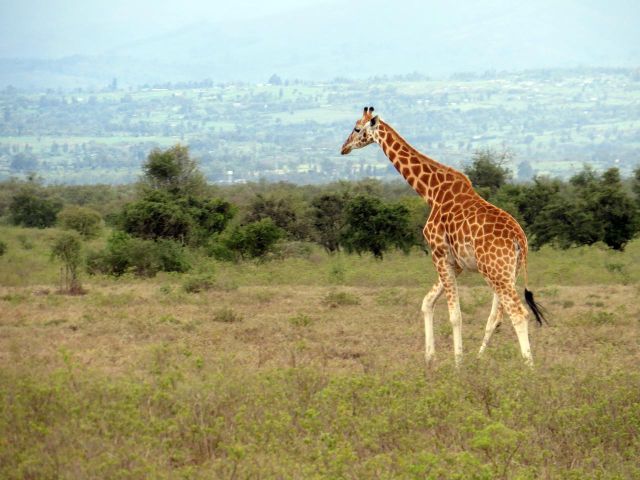
Giraffes
Hippos
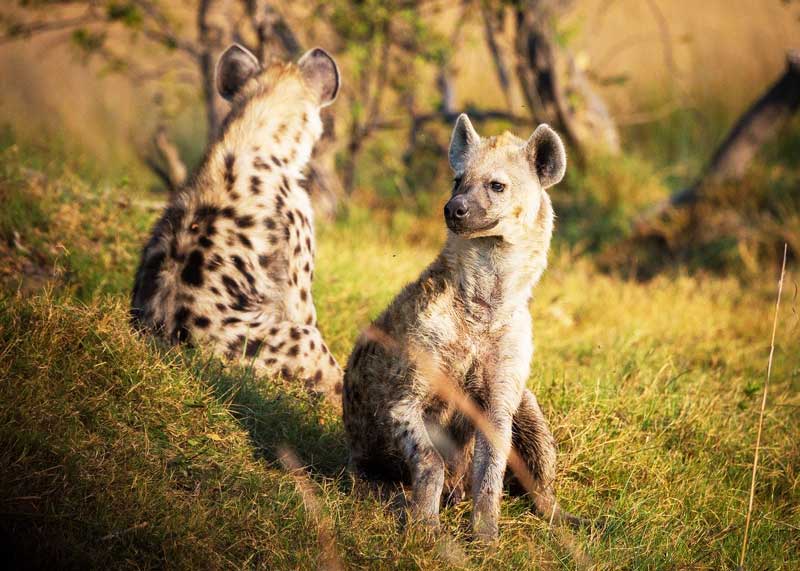
Hyenas
Impalas
Jackals
Leopards
Ostriches
Rhinos
Secretary Birds
Vervet Monkeys
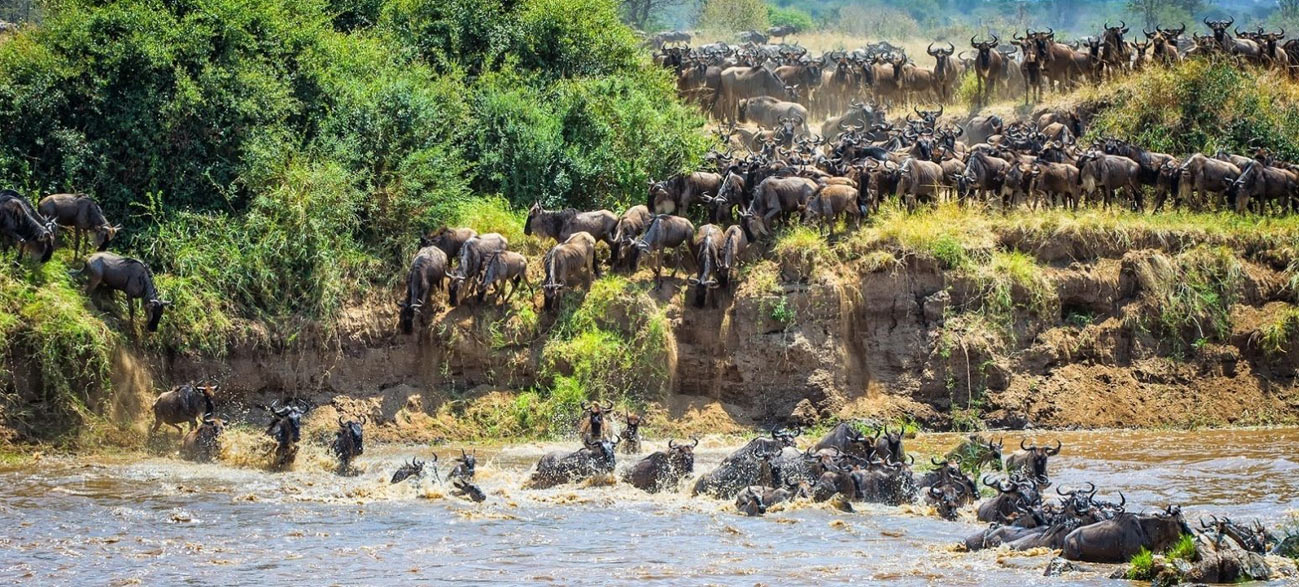
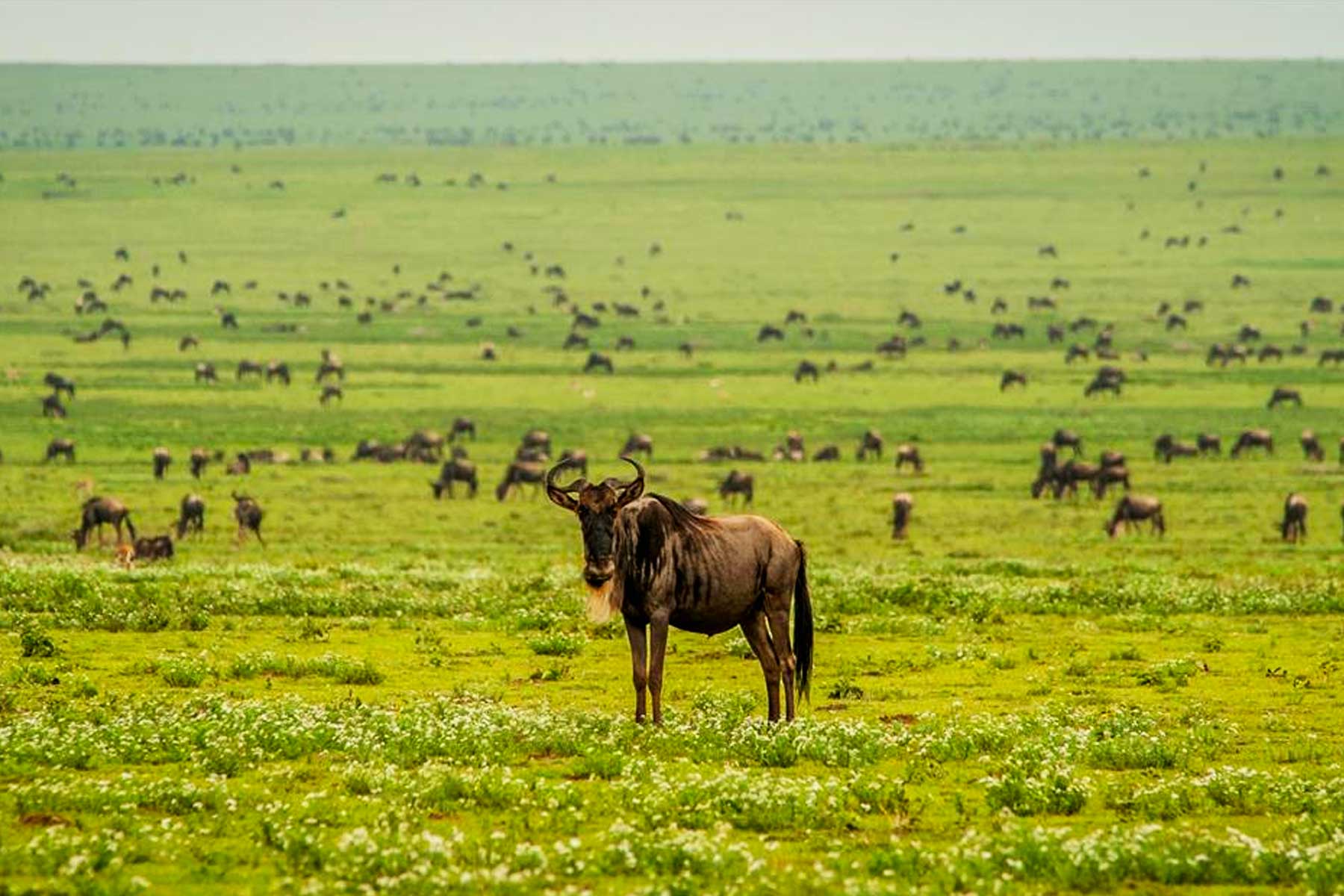
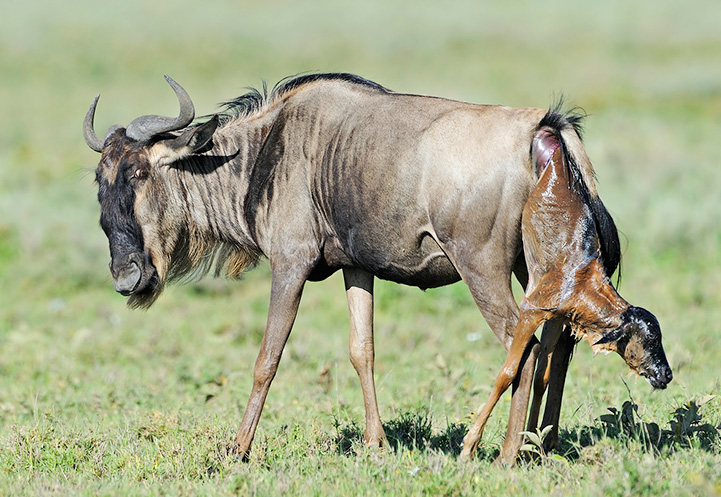
Wildebeests
Zebras
| Number of visitors | Adult | Child4-11 years | Infant0-3 years |
|---|---|---|---|
| 2 | $1,882 | $1,412 | Free |
| 4 | $1,540 | $1,155 | Free |
| 6 | $1,426 | $1,070 | Free |
Flexible payment options available
✓ Secure your booking with a deposit
✓ Pay the remaining balance later
✓ Pay in full if you prefer
Need to cancel your booking?- No problem
See tour operator's cancellation and refund policy.


