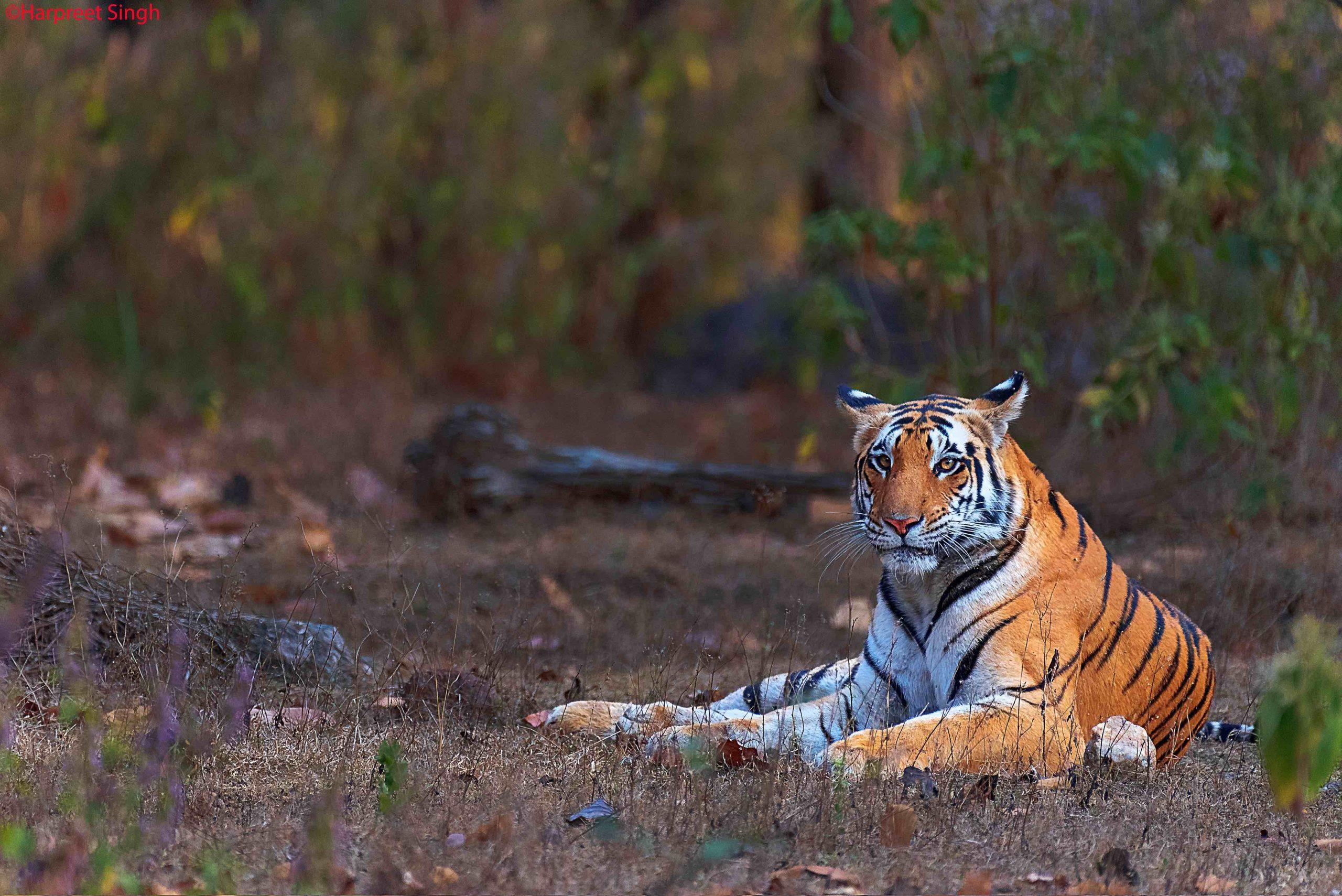
Core focus
Tiger Safari
Tracking a single iconic predator in forest habitat.
African Safari
Watching a wider cast of large mammals across open landscapes.

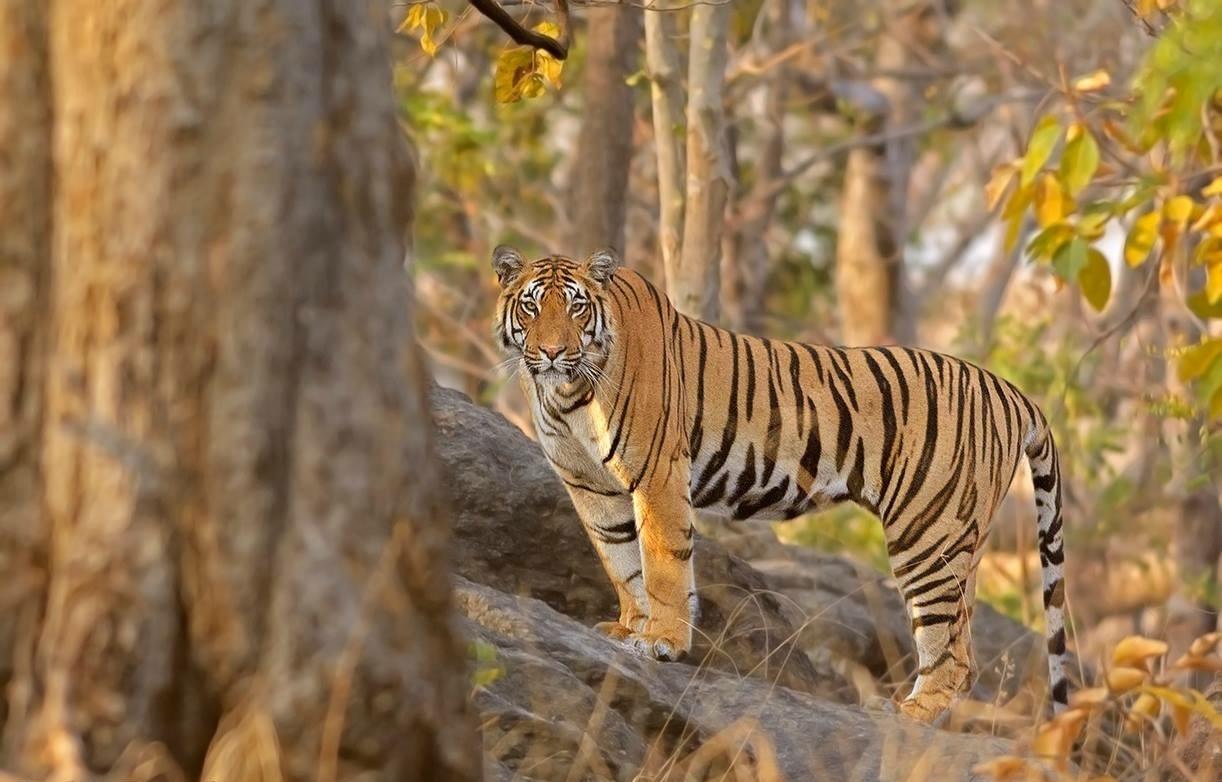
Tiger safari vs African safari
A detailed comparison of two of the world's most iconic wildlife experiences.
Travelers often compare a tiger safari in India with an African safari experience because both sit near the top of the wildlife travel wish list. Both promise wild predators, early morning game drives, skilled guides, and the possibility of a moment you will talk about for years.
But they are not versions of the same trip. India is usually about reading a forest for signs of one animal. Africa is often about scale, abundance, and watching many species share open country. This guide compares the two honestly so you can decide whether a tiger safari or African safari fits your travel style.
How forests and savannas change the way you see wildlife
What to expect from vehicles, regulations, guides, and routes
Which safari is better for first timers, families, and wildlife photographers
Landscape
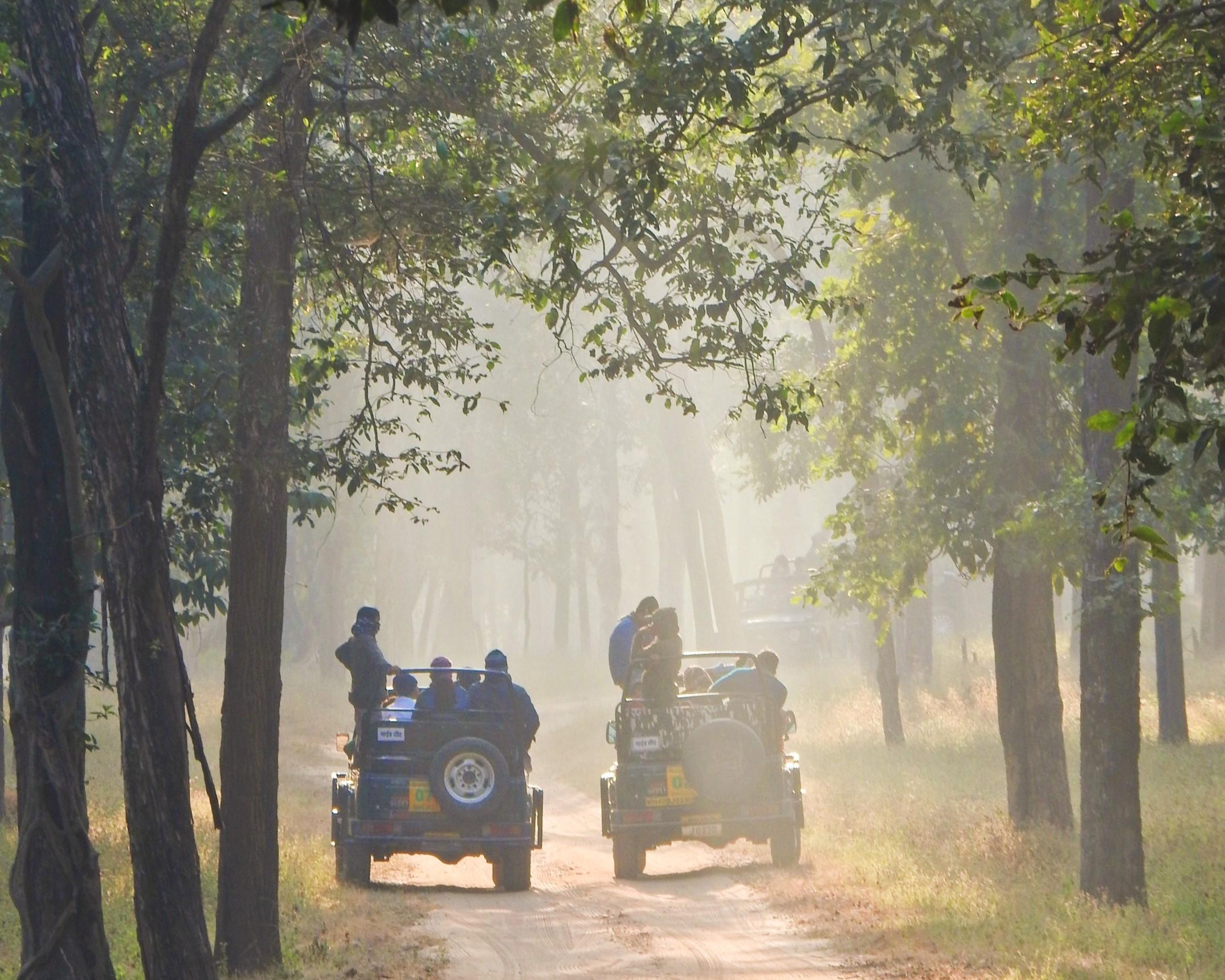
The landscape is the biggest reason a safari in India vs Africa feels different from the first drive. Tigers live in varied habitats, and Indian tiger reserves often combine dense forests, bamboo thickets, jungle tracks, lakes, wetlands, grasslands, and shaded ravines. Visibility can be short, which makes each clue matter.
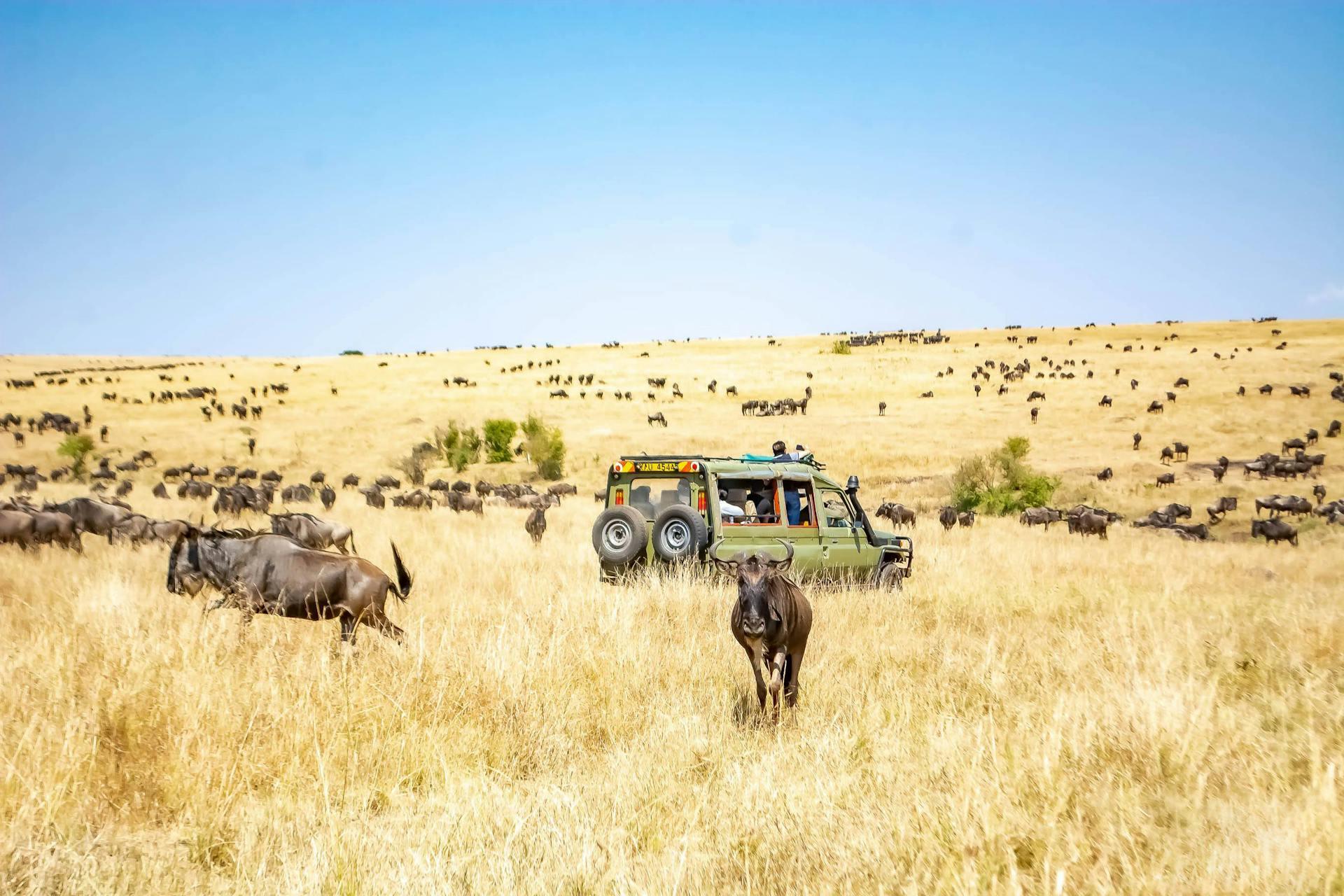
Classic African safari areas are frequently associated with savannas, vast plains, acacia woodland, river systems, and dramatic open horizons. In places such as the Serengeti, Maasai Mara, or private conservancies, animals can sometimes be watched from a long distance before the vehicle moves closer under local rules.
What you are likely to feel
A tiger safari is often a focused search. You may spend long stretches listening, watching tracks, and interpreting the behavior of deer, langurs, and birds. An African safari typically brings more visible wildlife through the day, with many large mammals possible on a single game drive.
That does not make one experience superior. It makes them fundamentally different types of wildlife safari comparison: one is anticipation around an elusive cat, the other is abundance across a large ecosystem.
Core focus
Tiger Safari
African Safari
Pace
Tiger Safari
African Safari
Visibility
Tiger Safari
African Safari
Signature feeling
Tiger Safari
African Safari
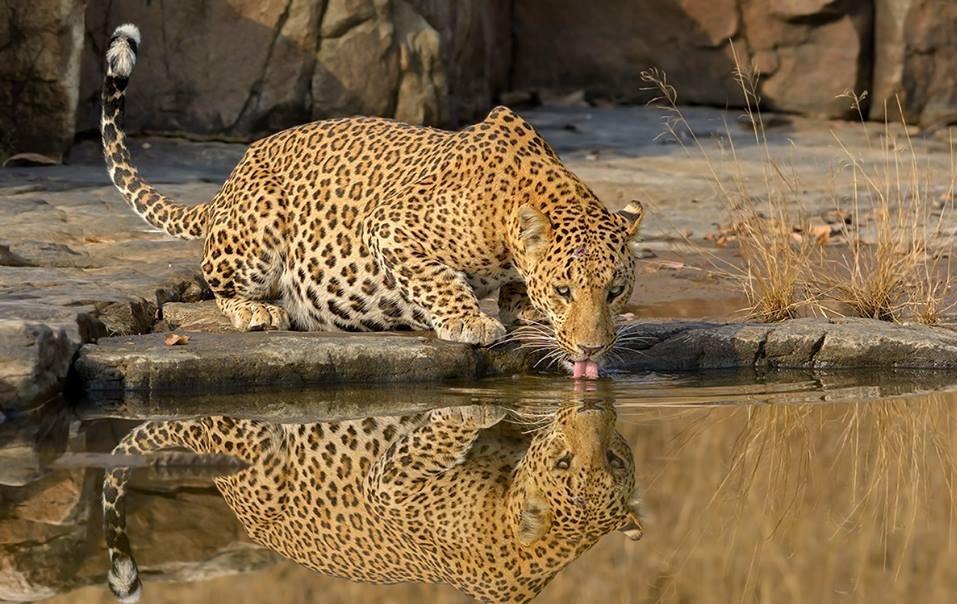
Photo by The Bridge Tours
India is not a one-animal trip
A good tiger safari India itinerary is not only about tigers. Many reserves protect complex forest ecosystems. Depending on the park, travelers may look for leopards, sloth bears, dholes, gaur, sambar deer, chital, marsh crocodiles, langurs, wild boar, and rich birdlife.
Africa offers a different kind of biodiversity and species richness: elephants, lions, buffalo, giraffes, zebras, antelope, cheetahs, hyenas, hippos, crocodiles, and exceptional birding in many destinations. The point is not only how many animals exist, but how often the landscape lets you see them.
How you move
In India, tiger safaris are commonly run in small open Gypsy-style vehicles or larger canters, depending on the park and booking. Routes, timings, and zones are state-regulated, with vehicle limits designed around park management and visitor control.
In Africa, game drives often use open Land Cruisers or similar safari vehicles. National parks, private concessions, and conservancies operate under different rules. Some private areas allow more flexible routing, night drives, or off-road approaches where locally permitted.
Vehicles
India
Africa
Access
India
Africa
Route style
India
Africa
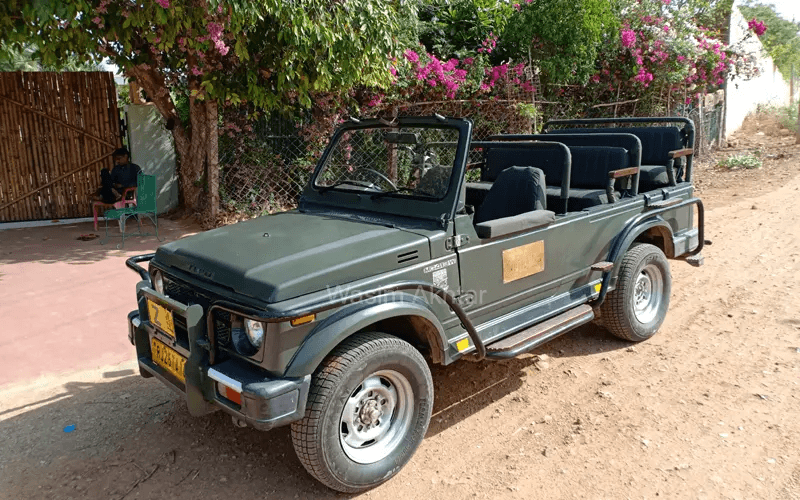
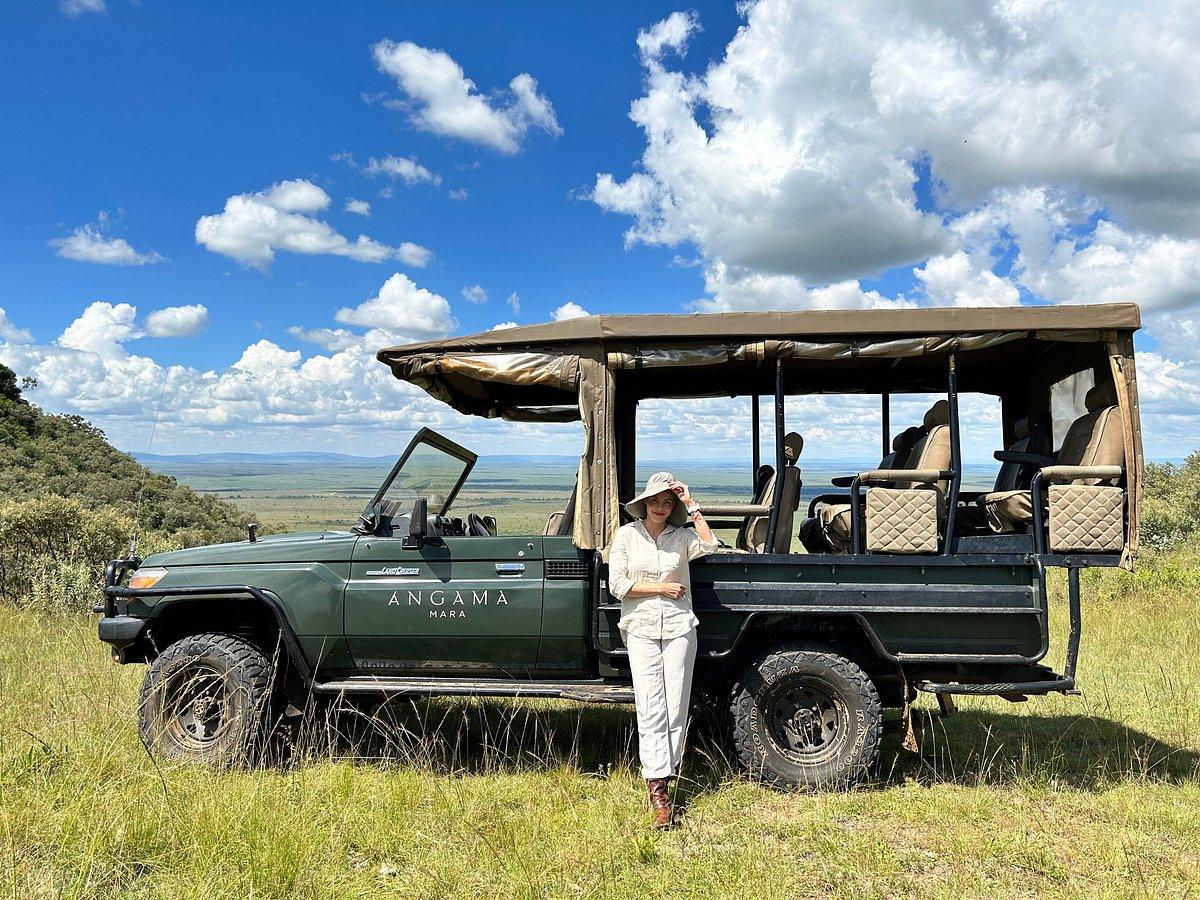
Photo by Enkarewa Safaris
The rhythm of the drive
On a tiger safari, the forest often speaks before the tiger appears. A sambar alarm call carries across a valley. Langurs freeze on a branch. Fresh pugmarks cross the dust. A guide reads the direction of movement, the temperature, the nearest water, and the behavior of every animal suddenly paying attention.
African safari tracking can be just as skilled, especially for cats, wild dogs, and rhino in certain areas. The difference is that many African landscapes also keep animals visible between tracking moments. You might be following lion tracks while giraffes feed nearby and elephants move across the horizon.
For travelers comparing the best safari for first timers, this matters. India rewards patience and emotional investment in the search. Africa often gives a gentler learning curve because the wildlife story continues even when the headline predator is absent.
How safaris are managed
Indian tiger safaris usually take place in government-managed national parks and tiger reserves. Visitors enter assigned zones at scheduled times, and parks use vehicle limits, gates, guides, permits, and route systems to manage tourism pressure.
African safari management varies by country and land model. A trip might use national parks, community conservancies, private reserves, or concession areas. Rules around off-road driving, night drives, walking, and vehicle numbers vary by destination, so the exact operating model should be checked before booking.
Where you stay
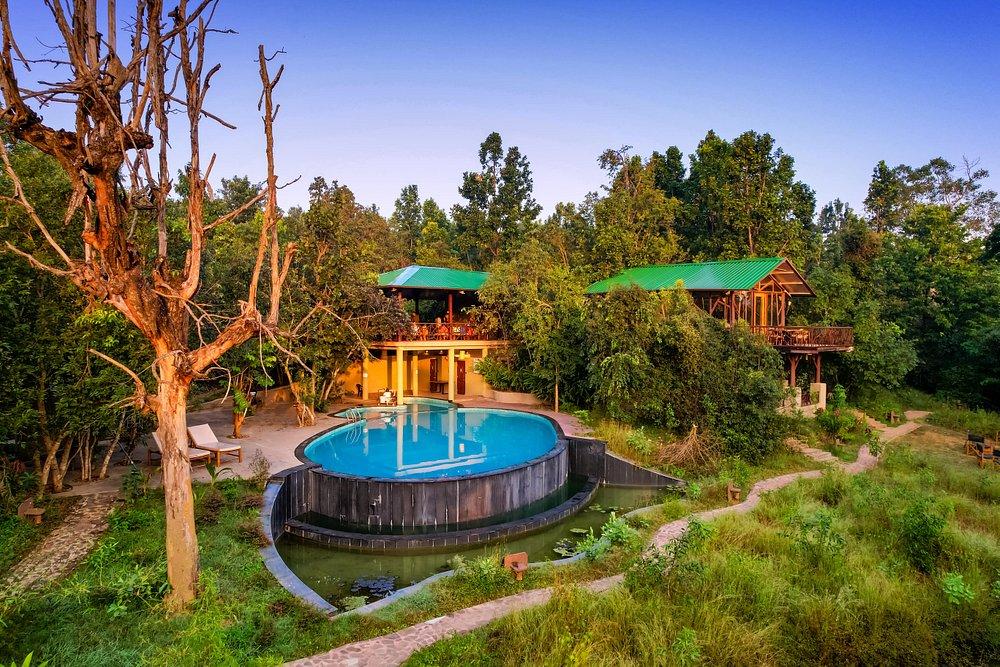
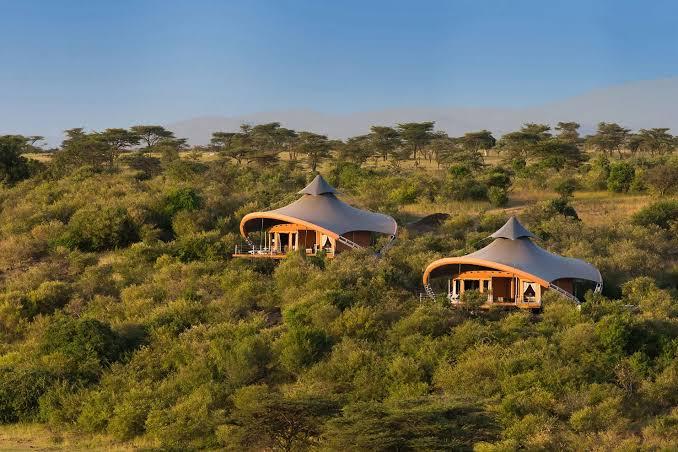
India's tiger circuits include jungle lodges, heritage properties, owner-run naturalist lodges, and luxury wildlife resorts near reserve gates. The mood is often rooted in forest, local food, early starts, and evenings spent replaying the day's clues.
African safaris are famous for safari camps, tented camps, mobile camps, and luxury bush lodges. Many are designed around spending as much time as possible in wild country, with decks, hides, fire pits, and open-air dining shaped by the surrounding landscape.
Getting there
India safari logistics often combine commercial flights, rail or road transfers, and multi-city travel. Many itineraries pair tiger reserves with Delhi, Jaipur, Agra, Mumbai, or other cultural stops, making an India safari vs Africa safari decision partly about the wider trip you want.
African safaris can be straightforward in accessible regions, but many premium itineraries use bush flights to reach remote conservancies, delta camps, or private reserves. That fly-in style can feel wonderfully remote, but it affects luggage, budget, routing, and pacing.
Flights
India
Africa
Transfers
India
Africa
Trip pairing
India
Africa
.jpg&w=3840&q=75)
Best safari for wildlife photography
Tiger safari photography is about patience and timing. Dense habitats can create difficult light, blocked views, and brief windows. When the moment arrives, though, a tiger on a forest track or near water can be one of the most powerful wildlife images a traveler ever makes.
African safari photography usually offers more frequent subjects: elephants at sunrise, lions in grass, giraffes on the skyline, birds in flight, antelope herds, and predator behavior in open country. For many photographers, Africa gives more frames per drive; India gives fewer chances with enormous emotional value.
Beyond the vehicle
Walking safaris are available in many African destinations, usually led by trained guides and operated under local rules, lodge policies, and safety standards. They are not universal, and availability can depend on the camp, season, terrain, guest age, and wildlife conditions.
In India's core tiger reserves, wildlife viewing is typically vehicle-based. Some lodges and reserve buffers may offer nature walks, birding walks, village visits, cycling, or interpretation trails in permitted areas, but these should not be confused with walking through core tiger habitat.
Decision guide
If you are comparing tiger safari vs African safari, begin with the kind of wildlife experience you want to remember. One is shaped by patience, tracking, and the possibility of seeing a hidden predator. The other is built around abundance, open landscapes, and a wider cast of animals.
Best for travelers who dream of seeing wild tigers in their natural habitat.
Tiger safaris reward patience and often create some of the most memorable wildlife moments travelers ever experience.
Best for travelers seeking wildlife abundance and classic safari experiences.
African safaris often provide an unmatched diversity of wildlife encounters in a single trip.
Neither experience is objectively better. African safaris often deliver greater wildlife variety and more frequent sightings, while tiger safaris offer the excitement of searching for one of the world's most elusive big cats. The right choice depends on the type of wildlife experience you want to remember years from now.
Where to see tigers in the wild
The best tiger safari India itinerary depends on park access, habitat, season, lodge choice, and how many drives you can include. These four parks are strong starting points for a serious conversation with a safari planner.
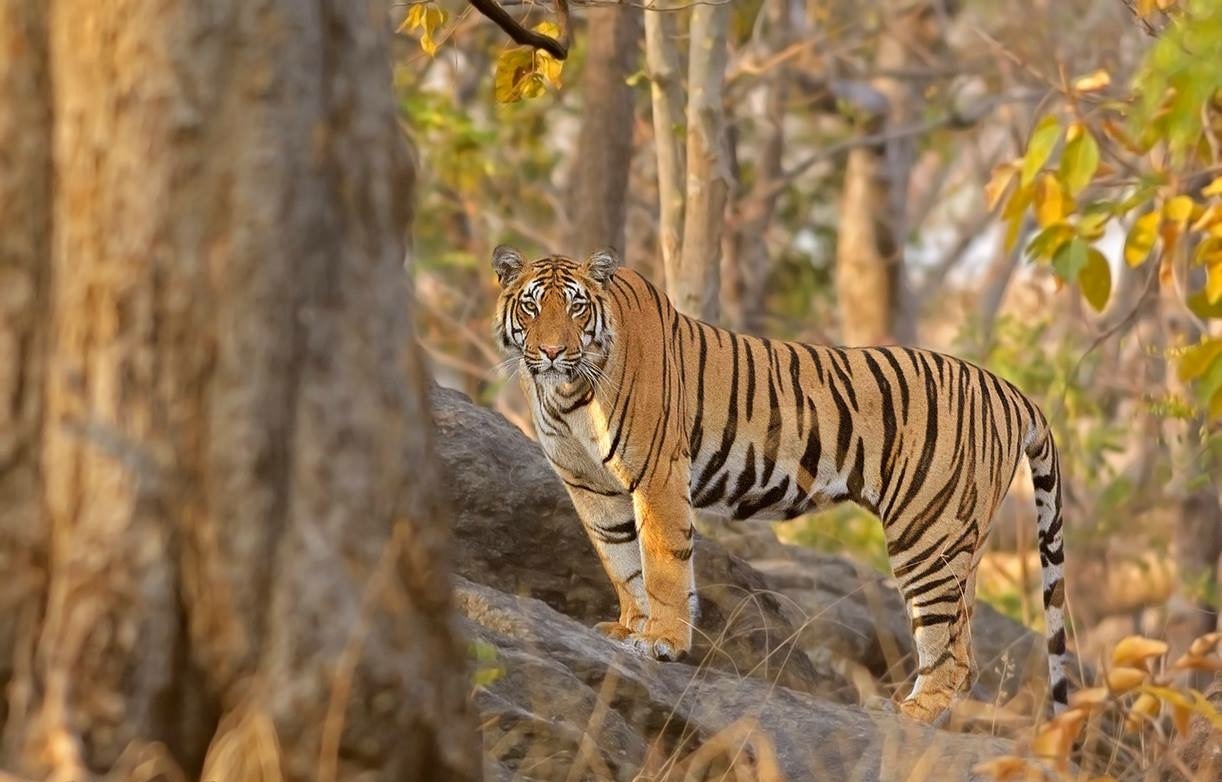
A famous Madhya Pradesh tiger reserve with sal forest, grassland pockets, and a strong reputation among tiger-focused travelers.
Explore BandhavgarhA Rajasthan classic where dry forest, lakes, rocky hills, and fort ruins create one of India's most photogenic tiger settings.
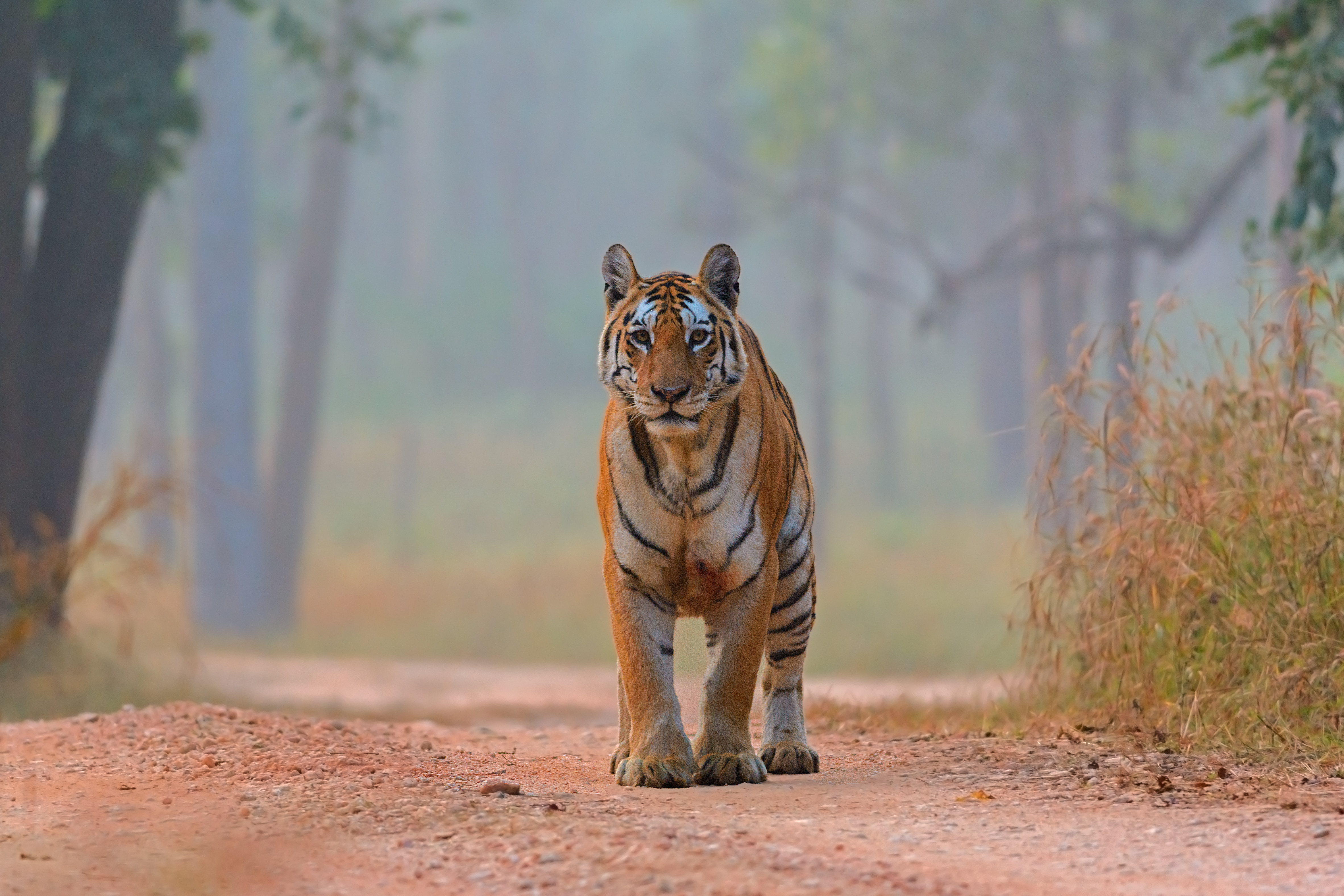
Explore RanthamboreA large Central Indian forest landscape known for sal forests, meadows, rich biodiversity, and hard ground barasingha conservation.
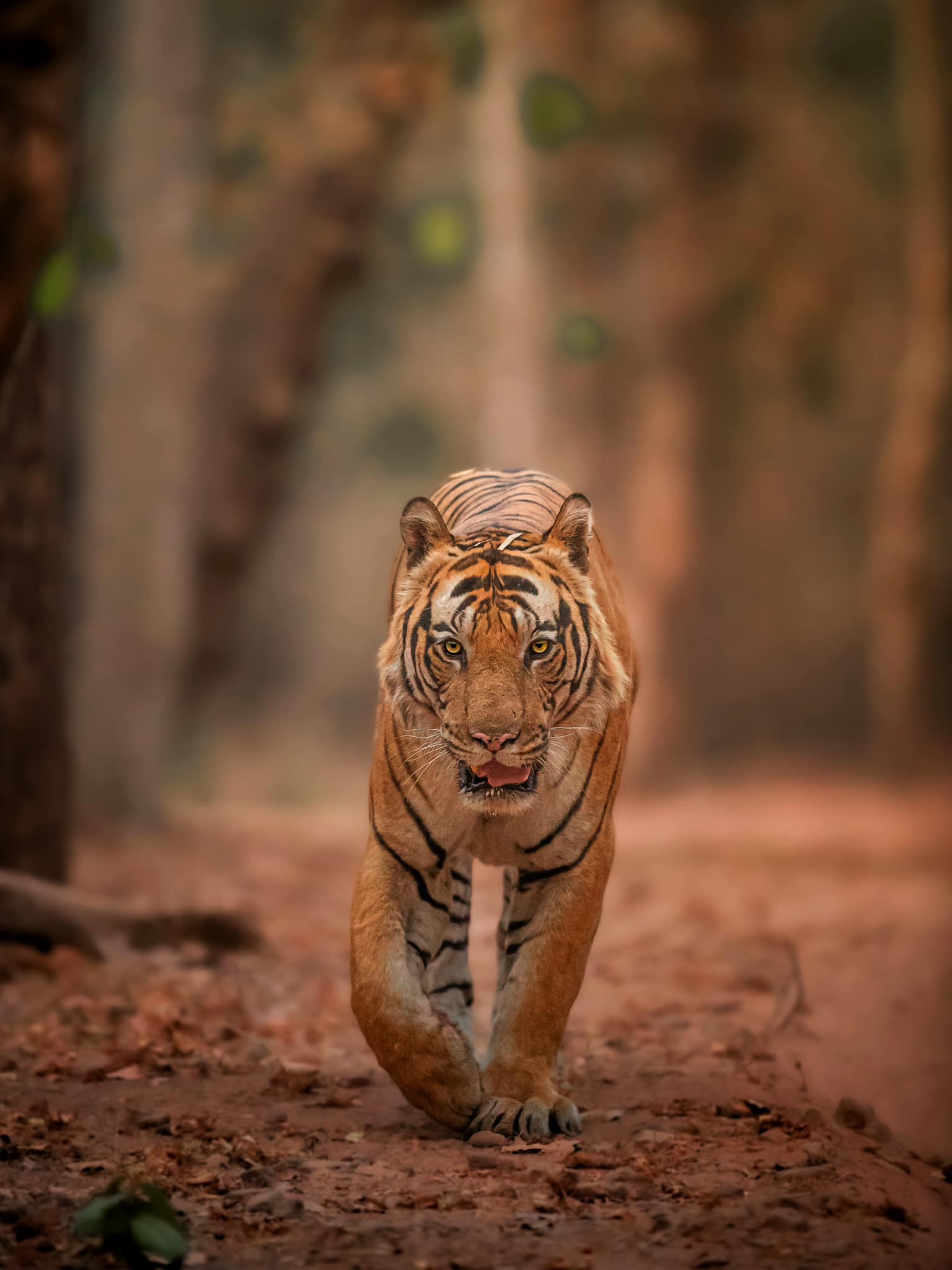
Explore KanhaA Maharashtra tiger reserve with teak and bamboo forests, grasslands, lakes, and a strong tiger safari following.
Explore TadobaPlan the India side
Comfort: Lux tour

Destination: India

Operated in: English and 1 more

Duration: 12 days
Comfort: Lux tour
Destination: India
Operated in: English and 1 more
Duration: 8 days
Comfort: Lux tour
Destination: India
Operated in: English and 1 more
Duration: 8 days
Comfort: Lux tour
Destination: India
Operated in: English and 1 more
Duration: 8 days
Comfort: Lux tour
Destination: India
Operated in: English and 1 more
Duration: 11 days
Comfort: Mid-range
Destination: India
Operated in: English and 4 more
Duration: 7 days
Starts from $2,950
 4.9 - 267 Reviews
Comfort: Lux tour
Destination: India
Operated in: English and 4 more
Duration: 7 days
Starts from $4,950
4.9 - 267 Reviews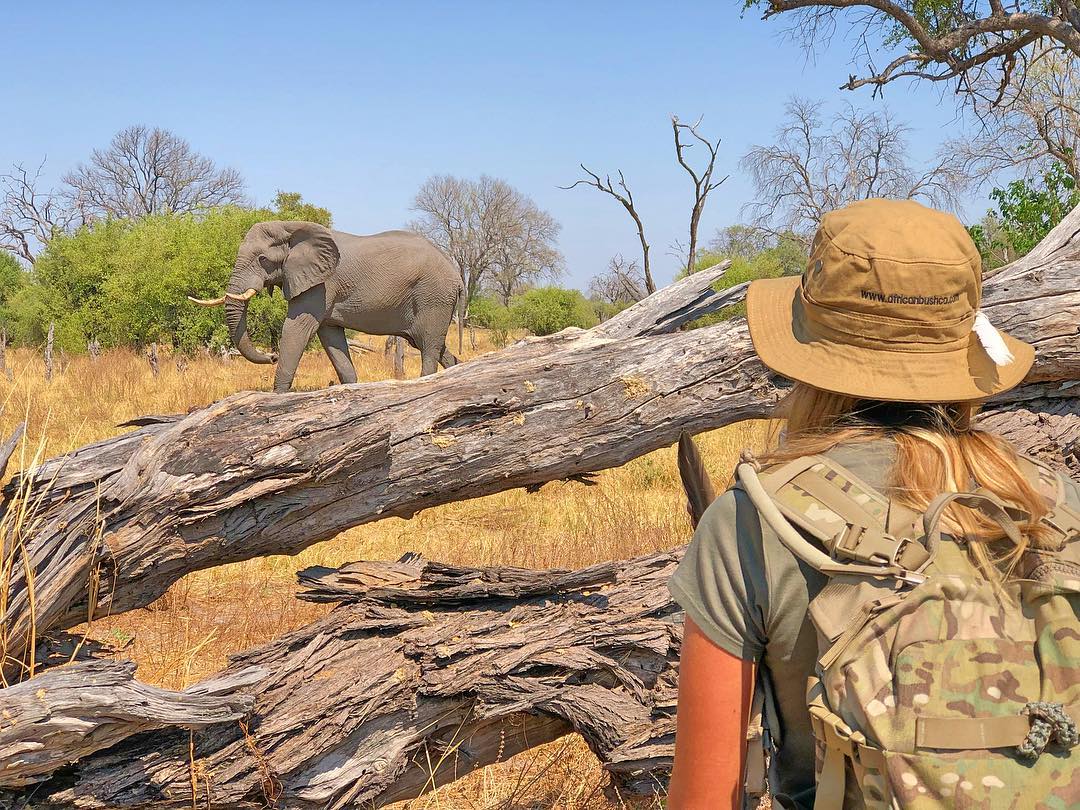
Comfort: Mid-range
Destination: South Africa
Operated in: English
Duration: 8 days
Starts from $5,350
5.0 - 2 Reviews
Comfort: Mid-range
Destination: Botswana
Operated in: English
Duration: 6 days
Starts from $4,950
5.0 - 2 Reviews
Comfort: Mid-range
Destination: Botswana
Operated in: English
Duration: 8 days
Starts from $3,450
5.0 - 2 Reviews
Comfort: Lux tour
Destination: India
Operated in: English and 1 more
Duration: 15 days
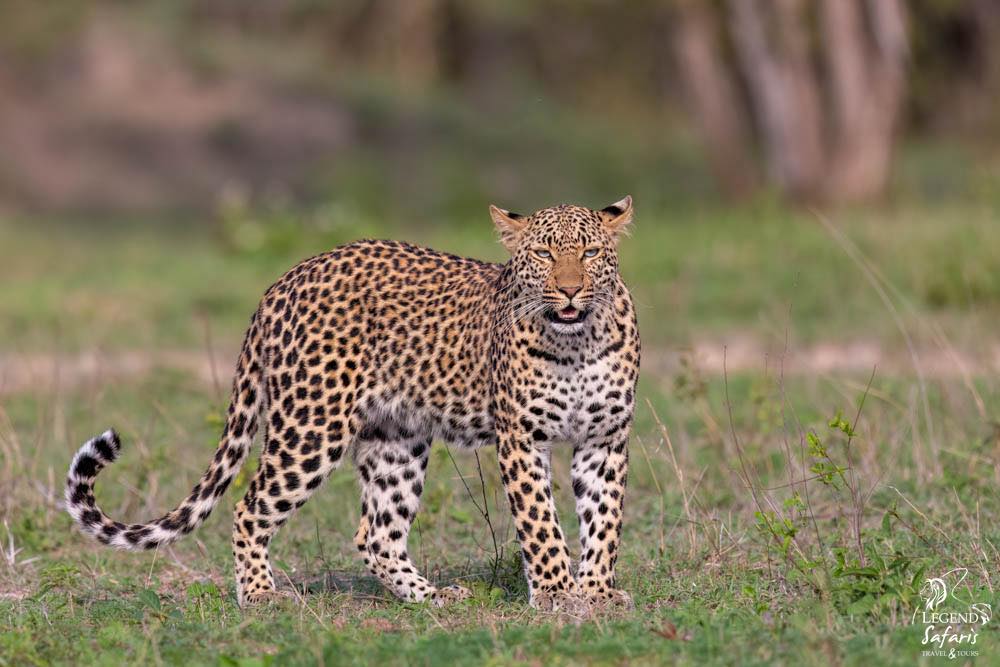
Comfort: Mid-range
Destination: South Africa
Operated in: English and 4 more
Duration: 5 days
Starts from $2,000
4.9 - 267 Reviews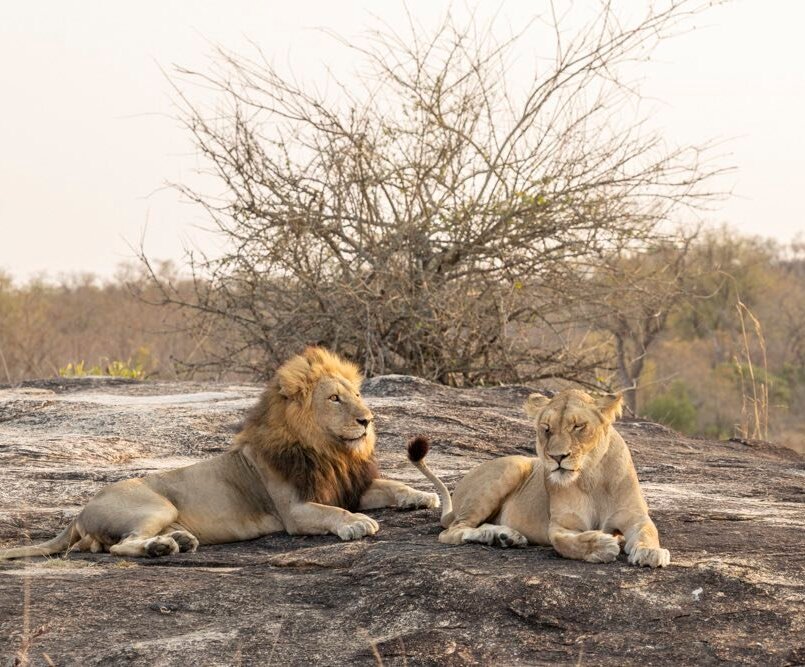
Comfort: Mid-range
Destination: South Africa
Operated in: English and 4 more
Duration: 7 days
Starts from $2,356
4.9 - 267 Reviews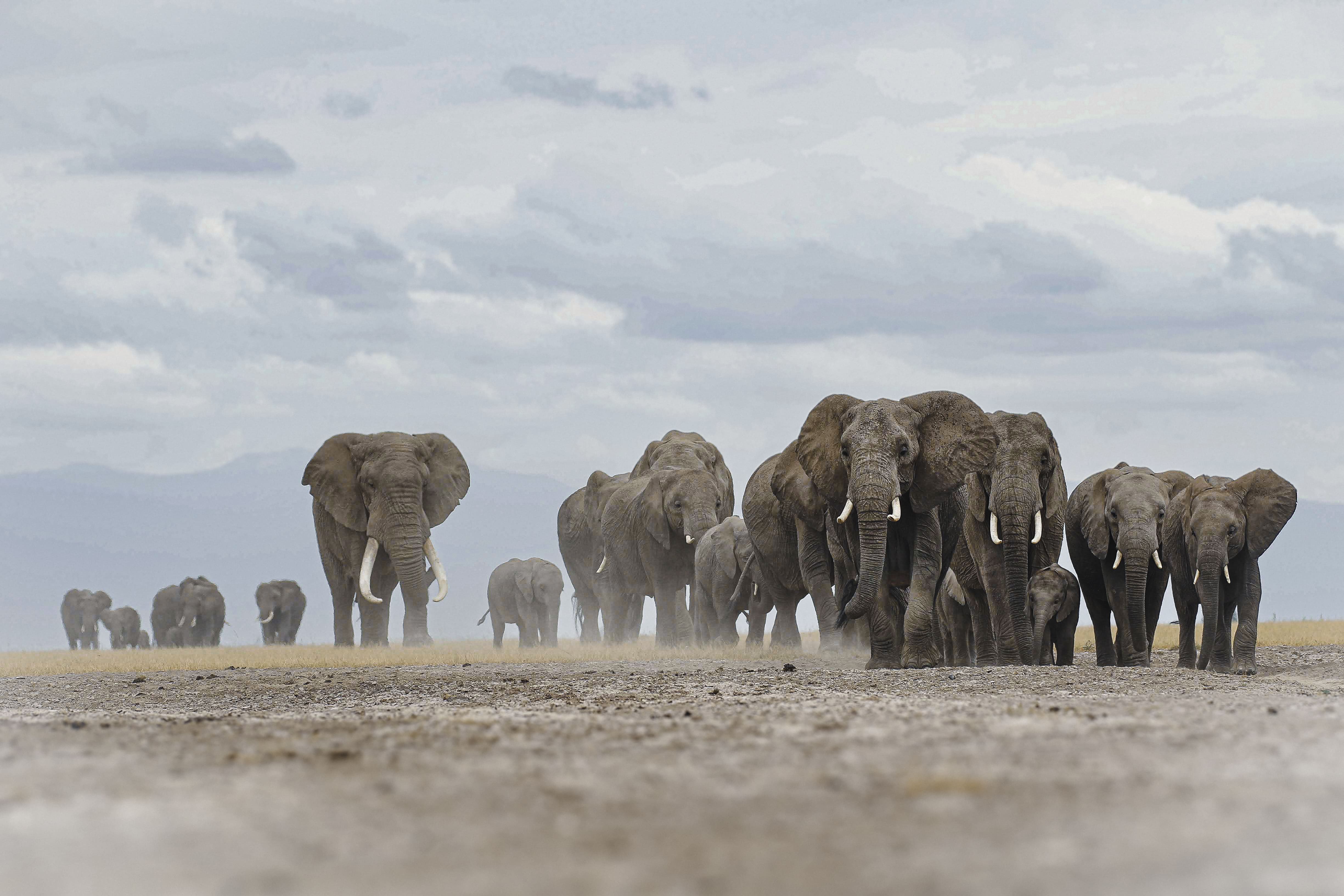
Comfort: Mid-range
Destination: Kenya
Operated in: English
Duration: 12 days
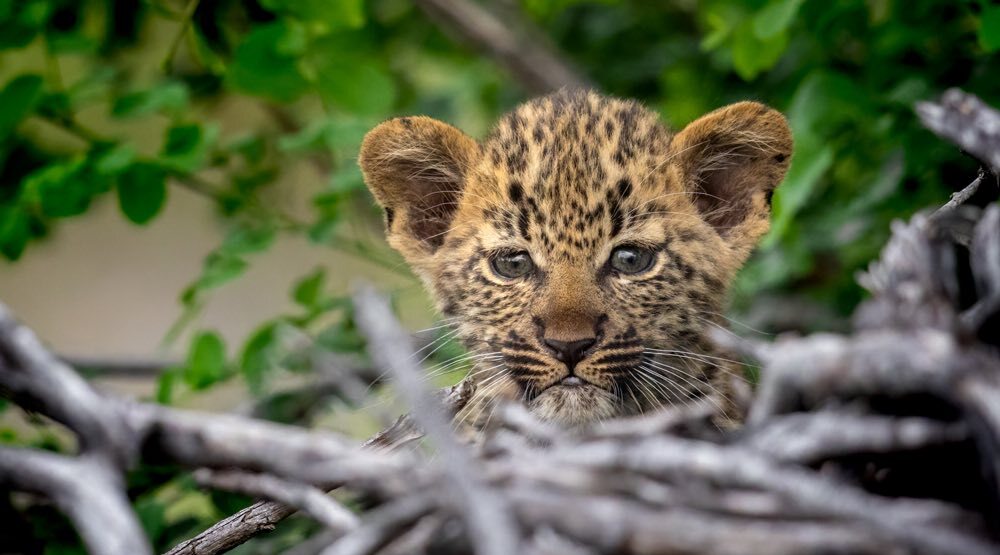
Comfort: Mid-range
Destination: South Africa
Operated in: English and 4 more
Duration: 5 days
Starts from $1,705
4.9 - 267 Reviews
Comfort: Mid-range
Destination: South Africa
Operated in: English and 4 more
Duration: 3 days
Starts from $1,112
4.9 - 267 ReviewsExplore expertly guided tiger safaris and discover India's most famous wildlife destinations.