Big Cat Safari Guide: Where to See All Six Wild Cats
· FaunaExplore

Photo: Brian Moseka
A big cat safari is never just one kind of trip. Seeing all six of the world's most sought-after wild cats takes you from the grasslands of East Africa to South American wetlands, Indian forests, the Patagonian steppe and the high Himalaya.
Sighting odds vary as much as the landscapes. Some cats are close to a sure thing in the right season, whereas others reward only patience, multi-night stays and expert trackers. No one can guarantee a sighting of any wild cat, but choosing the right place, season and trip length changes the odds enormously.
In short: lions in Kenya’s Masai Mara and jaguars in Brazil’s Pantanal are the most reliable, tigers in India and pumas in Patagonia are very achievable, and the black leopard and snow leopard are the hardest. Read on to see our honest ranking, from most to least reliable.
Where to see big cats in the wild: one cat at a time
Each section below is a short version of our full guide to that cat: the single best place, when to go, realistic odds, what it costs and how long you need. Follow the links for the details.
1. Lion: Masai Mara, Kenya
Where: The Masai Mara National Reserve and the private conservancies around it, such as Mara North and Olare Orok. The same ecosystem continues south into Tanzania's Serengeti.
When: Lions are resident and can be seen all year. The dry season from June to October offers the best visibility and coincides with the Great Migration, when huge herds draw prides out onto the open plains. January and February are a good, quieter alternative.
Realistic odds: The highest of the six. Lions are big, social and active in daylight, and they live on open grassland where they are easy to see. A stay of three nights or more in the Mara usually brings repeated encounters.

Cost and trip length:
- Three to six days
- Our 4 Day Kenya safari to Masai Mara – Big five, game driver & Maasai culture is the best-value entry point, from $1,475 per person for a group of six or $1,675 for two.
- To skip the long road transfer, the 3-Day Masai Mara Flying Safari – Luxury & Big Five Adventure starts from $2,300.
- Across the border, the 6-Day Tanzania Ultimate Big 5 Lodge Safari covers the Serengeti, Ngorongoro Crater, Tarangire and Lake Manyara from $2,000.
- For something different, the Masai Mara Horseback Safari: 7 Nights from Mara River to Olare Lamun explores the Mara on horseback from $11,950.
Explore more on our Kenya safari and Tanzania safari pages.
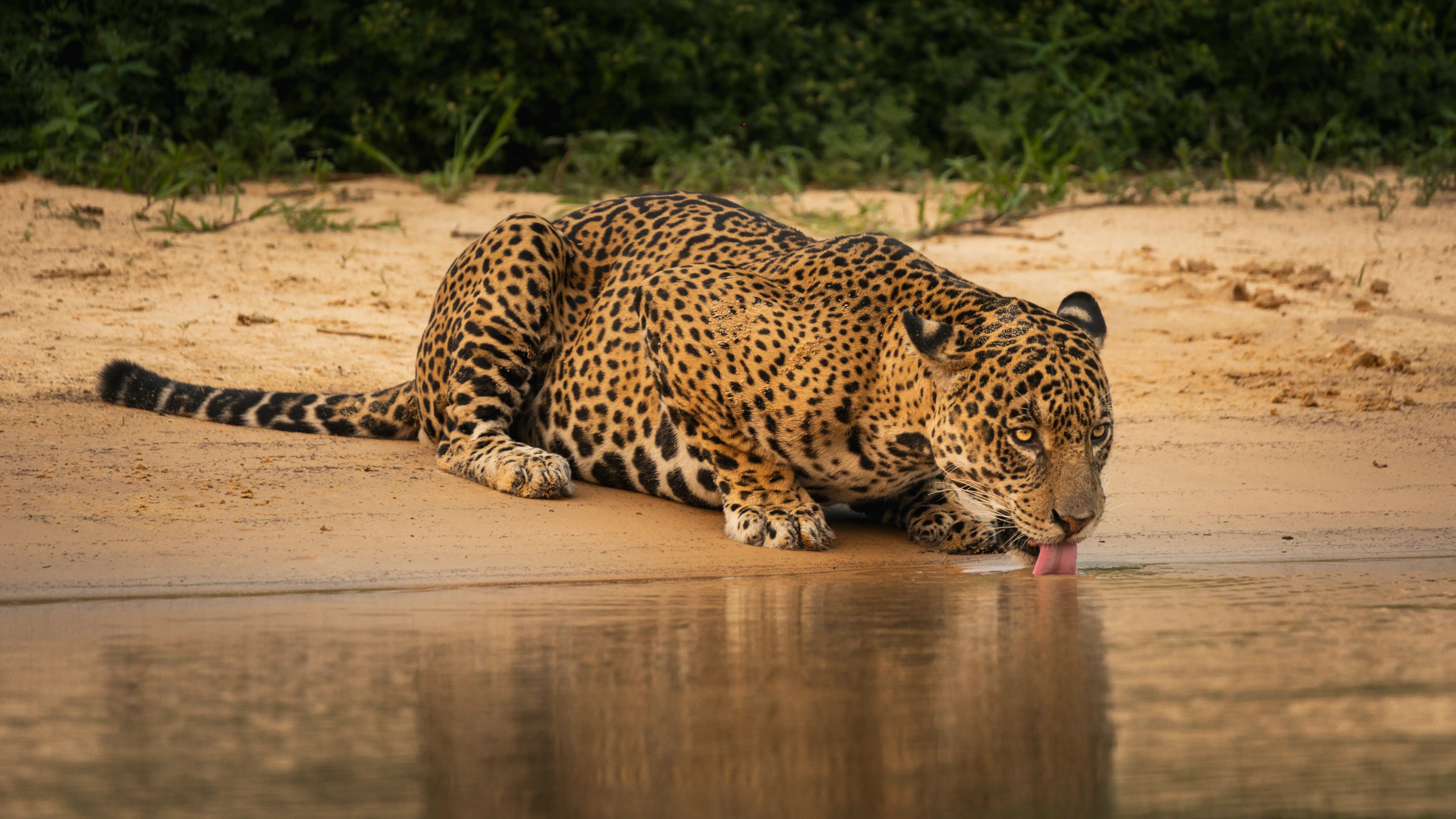
2. Jaguar: Porto Jofre, Pantanal, Brazil
Where: The rivers around Porto Jofre, at the end of the Transpantaneira road in the northern Pantanal. Jaguars hunt caimans and capybaras along the banks, and you look for them from a small boat.
When: Tours run from May to October. July to October is usually the strongest window, while May and June are shoulder months. Avoid the wet season (roughly November to March), when much of the Pantanal floods.
Realistic odds: Very high in the right season. Porto Jofre is widely considered the most reliable place in the world to see a wild jaguar, because the cats regularly rest and hunt in plain view on the riverbanks. Plan at least two full river days, or four to five if photography matters.
Cost and trip length:
- Six to ten days
- Our 6-Day Northern Pantanal Jaguar Safari and Wildlife Adventure starts from $4,098 per person for two travellers. It combines land and night drives at Piuval Lodge with 40+ hours on the river.
- For maximum boat time, the 8-Day Pantanal Jaguar Photography Safari in Porto Jofre starts from $5,424 and includes 60+ hours on the water.
Explore more on our jaguar safari tours, jaguar safari cost guide, and Brazil destination page.

Photo: Jaguar Wildlife Tours
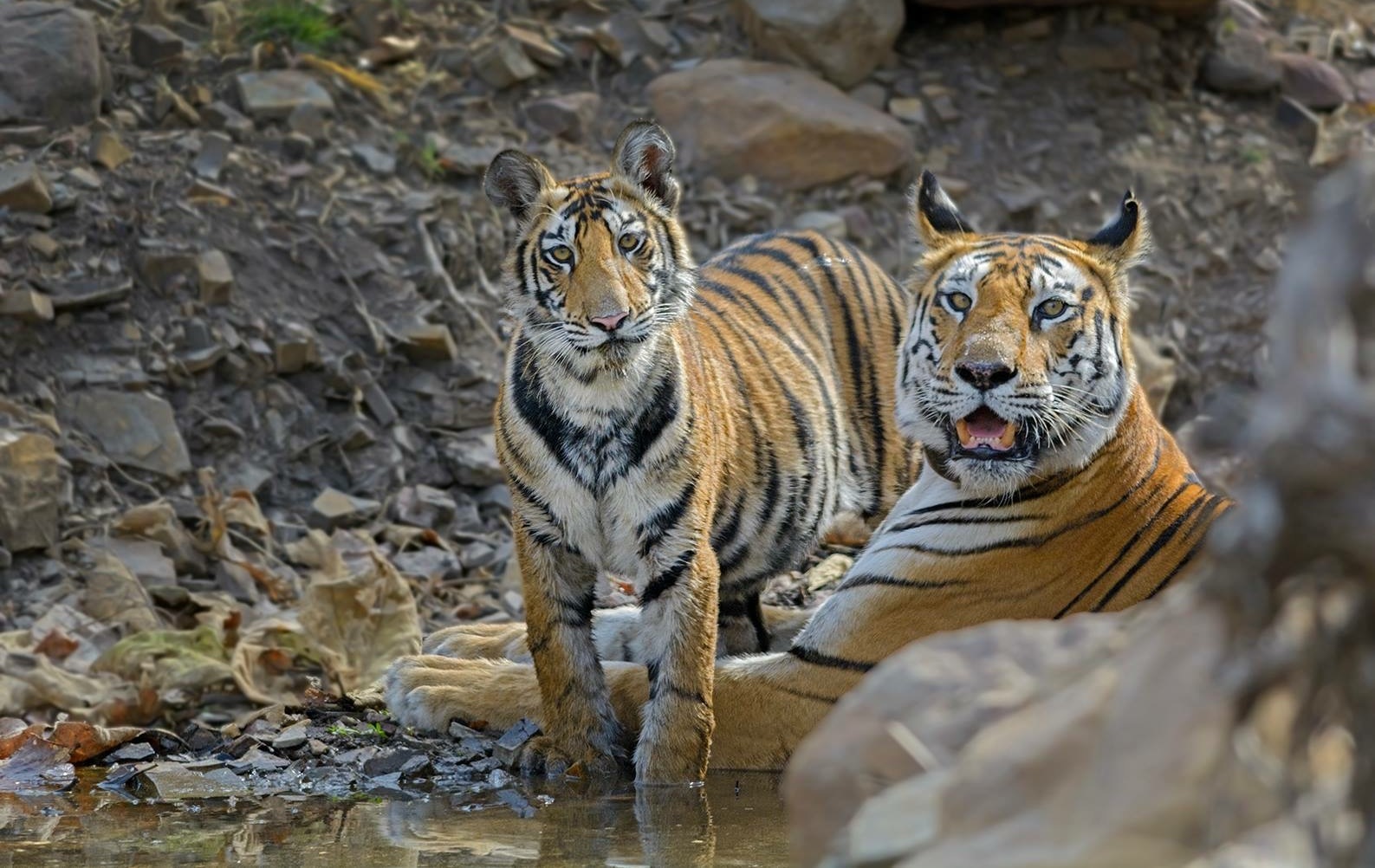
3. Tiger: central India
Where: The tiger reserves of central India. Bandhavgarh and Tadoba are the strongest for sightings, while Kanha is the best all-round park, with superb sal forest and meadows. Pench is a good add-on.
When: Parks open from October to June, and core zones close for the monsoon (roughly July to September). March to May is peak sighting season, as the heat draws tigers to water and the forest thins.
Realistic odds: High, if you give it enough drives. Plan for six to ten jeep safaris across three to five days in a high-reliability park. One practical point: Madhya Pradesh releases permits about 120 days ahead, and popular dates sell out.
Cost and trip length:
- Seven to fifteen days
- Our Tiger Trail India: 8-Day Safari Across Kanha, Pench & Tadoba is the best-value entry point. It includes nine guided safaris, park fees and the Delhi–Nagpur flight. It costs from $3,850 per person for a group of six, $4,100 for four or $4,600 for two.
Explore more on tiger safari tours, best tiger safari in India, and tiger safari cost in India pages.

Photo: Pugdundee Safaris
4. Puma: Torres del Paine, Chile
Where: The eastern sectors of Torres del Paine in Chilean Patagonia, around Laguna Amarga and Lake Sarmiento. Guided tracking here is done on foot, a very different experience from a vehicle safari.
When: April is our pick: calm weather, autumn colour and a real chance of cubs. Visibility is excellent from April to September. Summer (December to February) is the weakest season for pumas, despite being the busiest for general tourism.
Realistic odds: High with professional trackers. Well-run multi-day trips succeed a large majority of the time. Trackers read fresh tracks, kill sites, circling condors and guanaco alarm calls. Self-driving the park can produce a sighting, but the odds are far lower. Three days of guided tracking is the minimum, and a week is better.
Cost and trip length:
- Six to eleven days
- Our 6-Day Patagonia Puma Tracking and Wildlife Photography Expedition starts from $5,915 per person. It includes four full tracking days, meals, guiding and park fees.
Explore more on the puma tracking in Torres del Paine and Chile pages.

Photo: Far South Expeditions
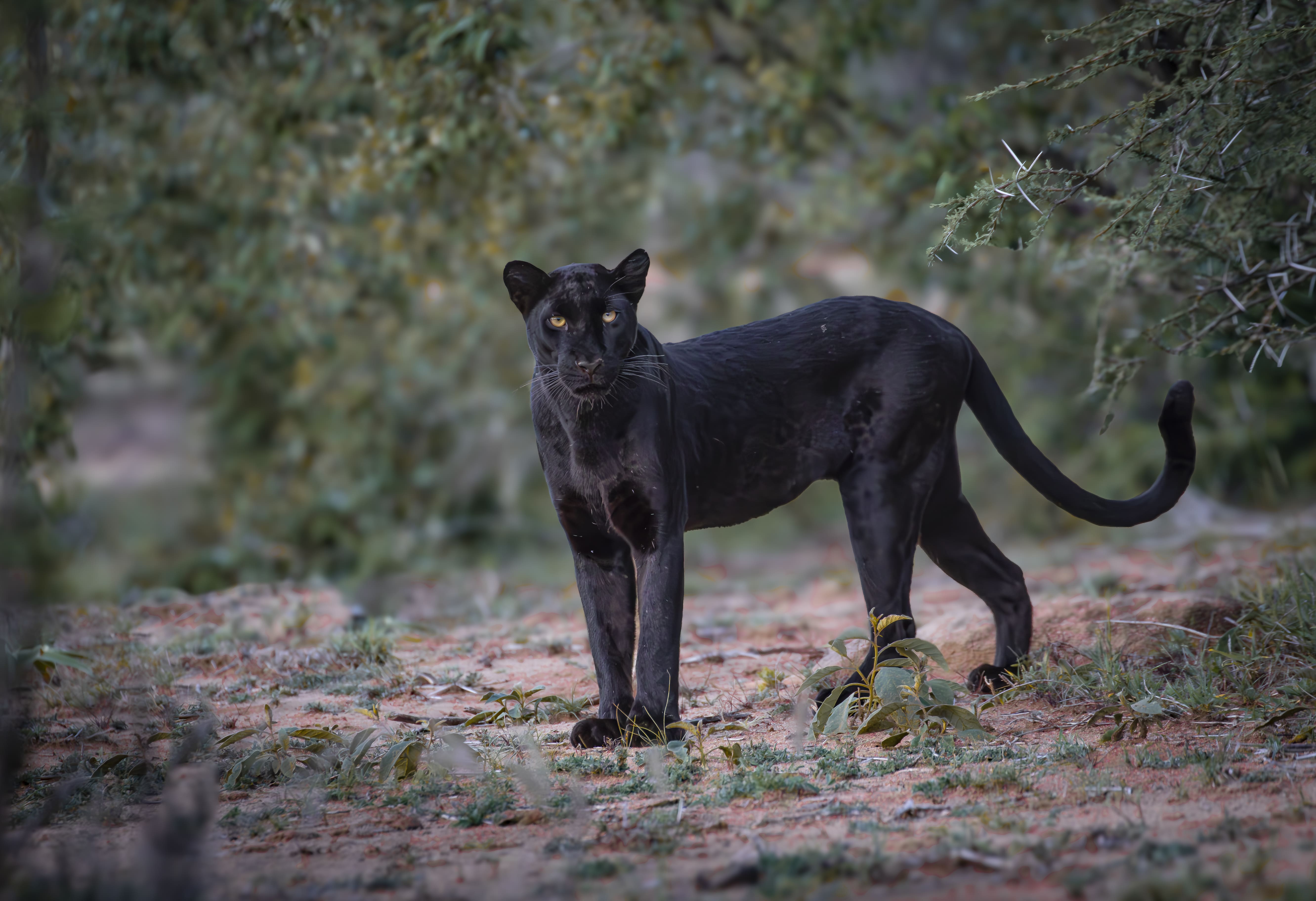
5. Black leopard: Laikipia, Kenya
Where: The southern Laikipia conservancies, north of Mount Kenya, around Laikipia Wilderness Camp. This is the home range of Giza, the best-known black leopard in Africa. A black leopard is not a separate species but a melanistic (dark-coated) leopard.
When: June to October (the long dry season) is the strongest window, with December to February being a good, cooler alternative. Avoid April and May, when the long rains can make tracks impassable. Most sightings happen on the dawn drive or after dark.
Realistic odds: Real but uncertain. Giza is a free-roaming wild animal, neither collared nor baited. Some guests see her several times in a week, while others on shorter visits see nothing. Plan at least four nights in her range; five to seven nights with night drives and expert trackers meaningfully improves your chances. The good news is that the same landscape offers spotted leopards, wild dogs and lions too.
Cost and trip length:
- Six to eight days
- Our Black Leopard Safari in Kenya - 6 Day Laikipia Wildlife Adventure starts from $5,730 per person.
- The 8-Day Northern Kenya Black Leopard Expedition adds Samburu and is priced on request.
Explore more on black leopard safari tours and black leopard safari in Kenya pages.

Photo: Rep Kenya Safaris
6. Snow leopard: Ladakh, India
Where: Hemis National Park (the Rumbak and Husing valleys) and the Ulley Valley in Ladakh, high in the Indian Himalaya. Spotters scan the slopes with scopes, often across ridges more than a kilometre away.
When: The season runs from November to April, with most trips between January and March. February and March are the busiest months, but snowfall, prey movement and recent activity matter more than the calendar.
Realistic odds: The hardest of the six. Operators often quote week-long success rates of roughly 40–60% in good conditions, but there is no standard figure, and results vary widely between departures. Expect cold (well below freezing at dawn), altitude and days of patient scanning.
Cost and trip length:
- One to three weeks
- Our Snow Leopard Safari in Ladakh - Lynx & Pallas's Cat Wildlife Expedition is an 18-day specialist expedition from $9,500 per person. It includes domestic flights, wildlife spotters with scopes and community fees, plus extra time for Eurasian lynx and Pallas's cat.
Explore more on snow leopard safari tours and snow leopard tour in Ladakh pages.

Photo: Legend Safaris
Big cat tours compared
Prices are per person, exclude international flights and depend on group size and departure date; confirm current rates on each tour page. Seasons and odds vary from year to year.
| Cat | Best destination | Best season | Sighting reliability | FaunaExplore tours from | Typical trip length |
|---|---|---|---|---|---|
| Lion | Masai Mara, Kenya | Year-round; June–October best | Very high | $1,475 | 3–6 days |
| Jaguar | Porto Jofre, Pantanal, Brazil | July–October (May–June shoulder) | Very high in season | $4,098 | 6–10 days |
| Tiger | Central India (Bandhavgarh, Tadoba, Kanha) | March–May (parks open October–June) | High with 6–10 drives | $3,850 | 7–15 days |
| Puma | Torres del Paine, Chile | April–September (April ideal) | High with trackers | $5,915 | 6–11 days |
| Black leopard | Laikipia, Kenya | June–October; December–February | Real but uncertain | $5,730 | 6–8 days (4+ nights in range) |
| Snow leopard | Ladakh, India | January–March (season November–April) | Low to moderate (~40–60% per week in good conditions) | $9,500 | 2–3 weeks |
Which should be your first big cat safari?
The best big cat safaris are the ones that match what you want from the trip, not just the cat. Here is a simple way to decide.
Near-certainty and a classic safari
Start with lions in the Masai Mara. You will almost certainly see lions, and quite possibly leopards and cheetahs as well. Our Masai Mara safaris start from about $1,500.
Near-certain cat that few of your friends have seen
Go for jaguars in the Pantanal. It is the most reliable of the "rare" cats, the trip is relatively short, and our Pantanal tours start from about $4,100.
Best value and a cultural experience
Choose tigers in India. Tours start under $4,000 for a group, and the parks come with history, villages and superb birdlife.
Walking and photography
Choose pumas in Patagonia. Tracking on foot in mountain scenery is unlike any other big cat encounter.
Already seen a big cat or two
This is when to consider the black leopard or snow leopard. Both are long, uncertain searches, and they are far more rewarding when you go in accepting that the search is part of the experience.
Can you combine big cats in one trip?
Here are some combinations that work well:
- Tiger and snow leopard (India): The tiger parks are open from October to June and Ladakh's season runs from November to April, so February and March line up best. Both connect through Delhi. Our snow leopard expedition plus an 8-day tiger tour comes to roughly 26 days, from about $13,350 per person combined. Our Snow leopard vs tiger safari guide explains how to plan it.
- Black leopard and lion (Kenya): Laikipia has resident lions, and a Mara extension after your Laikipia stay is a natural pairing.
- Lion and leopard (South Africa): The Sabi Sands reserve, on Kruger's western edge, is known for leopards and lions on the same game drive. Our Big Cat Safari in Sabi Sands - Leopard & Big 5 Luxury Safari is a five-day trip from $2,000 per person for two.
Collecting all six big cats
Plenty of wildlife travellers end up "collecting" big cats over several years. It usually goes like this: a first lion safari, then tigers, then jaguars, and eventually the hard ones.
FaunaExplore can help you cover all six. Every trip on the site is run by a specialist local operator partner, with clear inclusions and "from" prices, so you can compare, say, a Pantanal river safari with a Ladakh expedition side by side. Start with whichever cat fits your budget and timing, and use our big cats guides to plan the next one.
Big cat safari FAQ
What counts as a big cat?
Strictly, the "big cats" are the roaring cats of the genus Panthera: lion, tiger, leopard, jaguar and snow leopard. In travel, the term is often widened to include the cheetah and the puma (also called cougar or mountain lion), which are large but cannot roar. A black leopard is a leopard with a dark coat, not a separate species, but it is so rarely seen that it is a target in its own right. The spotted leopard comes as a bonus on Kenyan trips, and cheetahs are a frequent extra in the Masai Mara.
Can you see two big cats in one trip?
Yes, in some places. In Kenya, the Masai Mara regularly offers lions, leopards and cheetahs, and Laikipia combines black leopards with lions. In South Africa, Sabi Sands often delivers lions and leopards on the same trip. In India, you can pair a tiger safari with a Ladakh snow leopard expedition in February or March. Jaguar and puma trips are best done on their own.
Which big cat is the hardest to see?
The snow leopard. It lives at high altitude in steep, broken terrain, is perfectly camouflaged and ranges widely. Even with expert spotters, a week-long trip in good conditions gives you roughly a 40–60% chance. The black leopard is a close second, simply because there are so few of them.
What is the best single destination for big cats overall?
For variety and reliability, the Masai Mara is hard to beat. Lions, leopards and cheetahs are all seen regularly in one reserve. For a single, near-certain rare cat, the Pantanal's Porto Jofre is the standout for jaguars. If you want the widest range across several trips, India covers both the tiger and the snow leopard.
Plan your big cat safari
Pick your cat, then browse the trips: jaguar safari tours, tiger safari tours, black leopard safari tours, snow leopard safari tours, puma tracking in Patagonia and Masai Mara lion safaris. Or browse all tours and compare big cat tours side by side.
Whichever cat you start with, the same rule applies: time is what turns hope into a real chance. Multi-night stays in the right season, with guides and trackers who know the local animals, matter more than any single destination or price tier.
If you are unsure which trip fits your dates, budget or fitness, get in touch and we will help you weigh the options with our operator partners, so you set off with honest expectations and the best possible odds.